How to Care for Abelia
Grow abelia, a graceful semi-evergreen shrub with arching stems and months of small fragrant flowers loved by pollinators.
Read the full Abelia encyclopedia entry →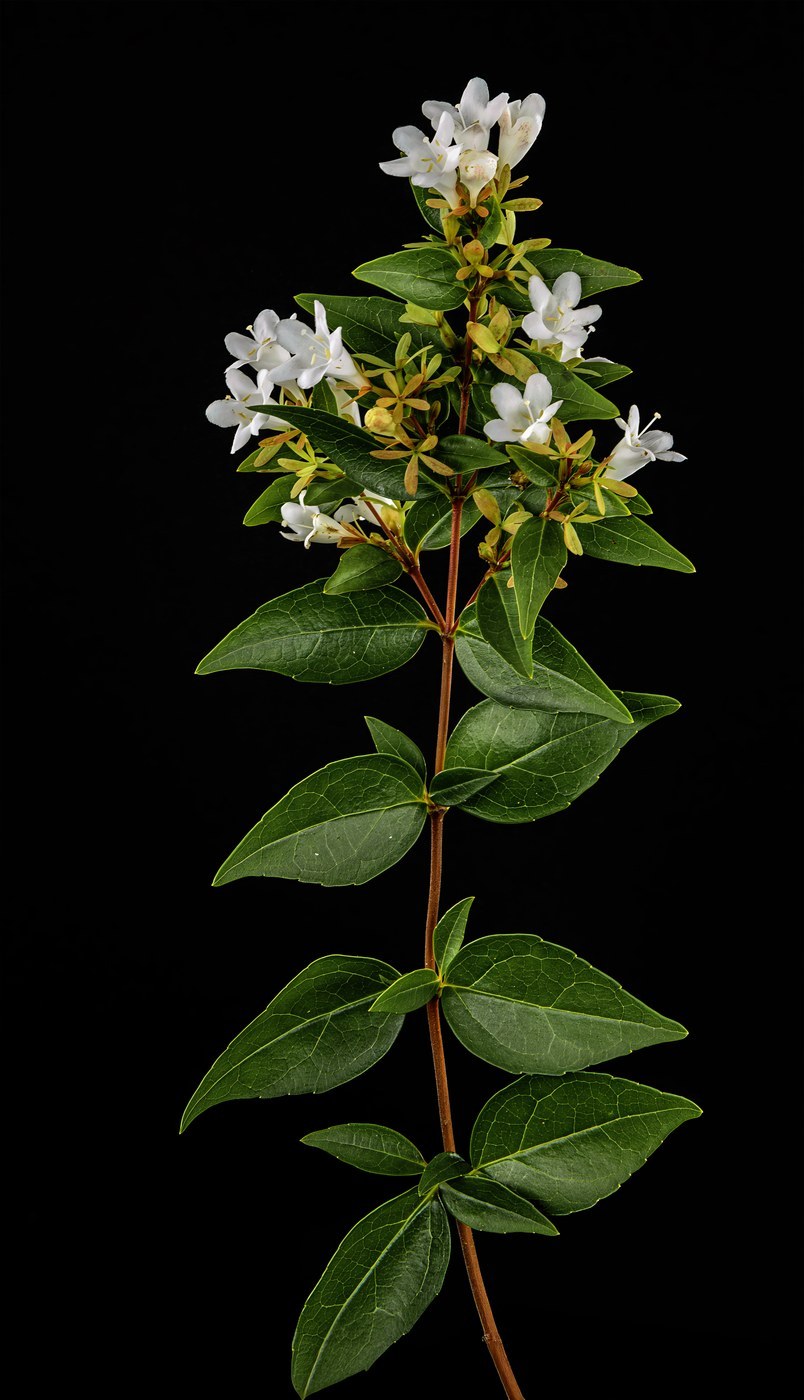
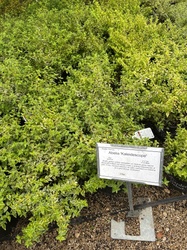
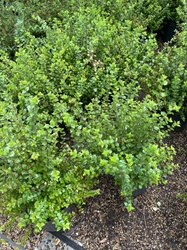
Abelia (Abelia x grandiflora) is a graceful semi-evergreen shrub with arching branches, glossy foliage that often flushes bronze or pink, and a long summer-to-autumn display of small, fragrant, bell-shaped flowers. It is easy to grow, low-maintenance, and a magnet for pollinators.
Light
Abelia flowers best in full sun, where it produces the densest growth and most abundant blooms and its foliage develops the richest coloring. It also grows well in part shade, though flowering will be somewhat lighter and the habit a little more open. For maximum flower power and the best leaf tints, give it at least a half day of direct sun.
Water
Water regularly, about weekly, during the first growing season to establish a deep root system. Once established, abelia is notably drought-tolerant and needs supplemental water only during extended dry or hot spells. Aim for deep, occasional soakings rather than frequent shallow watering, and avoid waterlogged soil.
Soil & Potting
Abelia prefers moist, well-drained soil rich in organic matter, but tolerates a range of soils including clay and poor ground once established. It grows best in slightly acidic to neutral soil. Mulch around the base to retain moisture and moderate soil temperature. In containers, use a quality potting mix with added grit for drainage.
Humidity & Temperature
Abelia is adaptable and tolerates heat and humidity well. It is reliably hardy in mild temperate climates and semi-evergreen, holding some leaves through mild winters and dropping more in colder ones. In hard-winter areas it may die back and behave more like a deciduous shrub, regrowing from the base.
Feeding
Feed in early spring with a balanced slow-release shrub fertilizer to support the long flowering season. A second light feeding in early summer can boost bloom on vigorous specimens. Avoid heavy late-season feeding, which encourages soft growth vulnerable to cold. A spring mulch of compost also supplies gentle nutrition.
Propagation
Abelia propagates readily from cuttings. Take softwood cuttings in late spring to early summer or semi-hardwood cuttings in mid to late summer, strip the lower leaves, and root them in a moist, gritty mix under warm, humid conditions. Hardwood cuttings can also be taken in autumn. Rooted cuttings can be potted on the following spring.
Repotting / Pruning
Because abelia flowers on new wood, prune in late winter or early spring before growth resumes. Remove dead, weak, or crossing stems, and cut back to shape; hard renovation pruning of one-third of the oldest stems each year keeps mature plants vigorous and prevents legginess. Light trimming after the first flush can tidy the plant. Container-grown abelia should be potted up in spring as it fills its pot.
Common Problems & Pests
Abelia is generally trouble-free and resistant to most pests and diseases. Occasionally aphids gather on new growth and can be sprayed off with water or treated with insecticidal soap. Powdery mildew or leaf spot may appear in humid conditions with poor air circulation; improve airflow through thinning. Poor flowering usually traces back to too much shade or over-vigorous pruning at the wrong time. Root rot can occur in persistently waterlogged soil.
Seasonal Care Tips
In late winter to early spring, prune and feed. Through summer and autumn, enjoy the long flowering display and the pollinators it attracts, watering only in drought. Foliage often takes on bronze and pink tones in cool autumn weather. In winter, leave the framework intact for structure in mild climates; in colder regions, mulch the base to protect the roots and allow regrowth in spring.
Frequently asked questions
When should I prune abelia?
Prune in late winter or early spring before new growth begins, because abelia flowers on the current season's wood. Removing about a third of the oldest stems each year keeps it vigorous and prevents legginess, while light trimming after the first flush tidies the shape.
Why is my abelia not flowering well?
The usual causes are too much shade or pruning at the wrong time. Give it at least a half day of full sun for the best bloom, and avoid cutting it hard in late spring or summer, which removes the wood that would have flowered.
Is abelia drought-tolerant?
Once established, yes. Water it weekly through its first growing season to build deep roots, after which it needs extra water only during prolonged heat or dry spells. Deep, occasional soakings are better than frequent shallow watering.
Why are my abelia's leaves turning bronze or pink?
This is a natural and desirable trait. New growth often flushes bronze, and cool autumn temperatures deepen the foliage to pink and bronze tones. Full sun intensifies the coloring, so it's a sign of a healthy, well-sited plant rather than a problem.
Abelia identified by the community
Recent Abelia specimens identified with Plant Identifier.