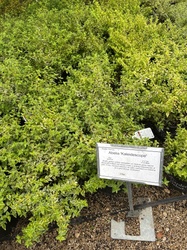
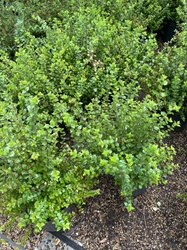
Abelia Identification Guide
Identify Abelia by its arching reddish stems, glossy small leaves, persistent pinkish sepals, and long season of small tubular flowers.
Read the full Abelia encyclopedia entry →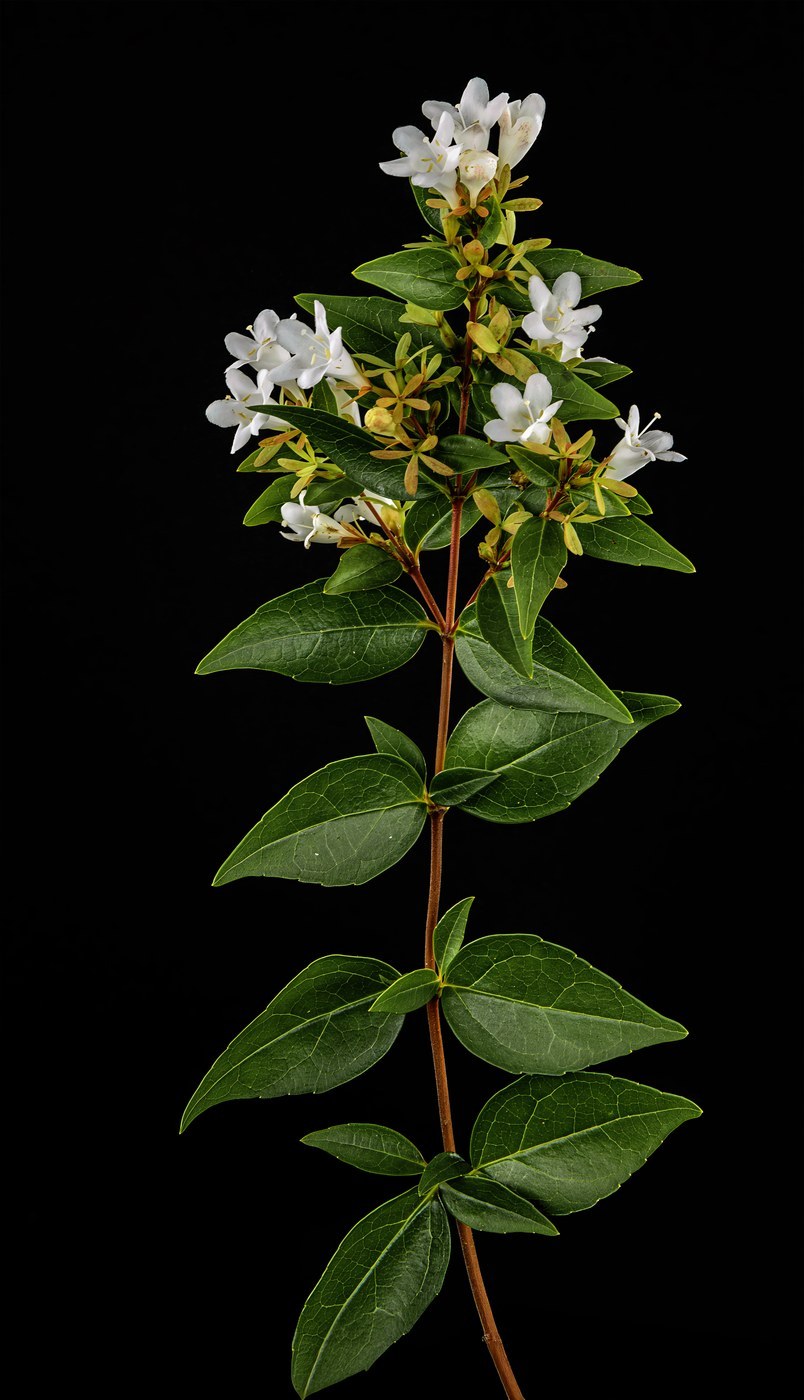
Key Identifying Features
Abelia (most commonly Abelia × grandiflora, glossy abelia) is a graceful, semi-evergreen shrub in the honeysuckle family (Caprifoliaceae). It is recognized by its gracefully arching, wiry reddish stems, small glossy leaves, and a very long bloom season of tiny tubular white-to-pink flowers. After petals drop, the rosy-pink sepals persist and keep the plant looking colorful for months.
- Rounded, fountain-shaped shrub, usually 3–6 ft tall and wide (dwarf forms smaller)
- Slender, arching, often red-tinged stems
- Long bloom season from late spring through fall
- Persistent pink calyx (sepals) after flowers fade
Leaves & Stems
Leaves are opposite, small (0.5–1.5 in), ovate, with a glossy upper surface and often a bronze or reddish tint, especially on new growth and in cool weather. Margins may be slightly toothed. Many modern cultivars ('Kaleidoscope', 'Confetti', 'Radiance') have variegated gold, cream, or pink foliage. Stems are thin, woody, and arching, frequently flushed reddish-brown.
Flowers & Fruit
Flowers are small (about 0.5–0.75 in), bell- or funnel-shaped, white to pale pink, lightly fragrant, and borne in loose clusters near branch tips. They are highly attractive to bees and butterflies. The standout feature is the persistent reddish-pink sepals that remain after the corolla drops, giving a sustained blush of color. Fruit is an inconspicuous dry achene.
How to Tell It Apart from Look-Alikes
- Privet (Ligustrum): Similar small leaves but privet has duller foliage, white panicle flowers, and black berries; lacks Abelia's arching reddish stems and persistent pink sepals.
- Box honeysuckle (Lonicera nitida): Tiny opposite leaves but doesn't show showy tubular flowers or pink calyces.
- Weigela: Larger, showier funnel flowers and bigger leaves; coarser habit.
The arching reddish stems + small glossy opposite leaves + long-lasting pink sepals combination is the giveaway.
Where You'll Find It
Very common in landscapes across USDA zones 6–9 as foundation plantings, low hedges, and pollinator borders. Abelia × grandiflora is a hybrid of garden origin; related species are native to Asia. It prefers full sun to part shade and well-drained soil and is valued for being tough and low-maintenance.
Quick ID Checklist
- Arching, fountain-shaped semi-evergreen shrub
- Thin, reddish, wiry stems
- Small, glossy, opposite leaves, often bronze-tinted or variegated
- Tiny tubular white-to-pink flowers over a long season
- Persistent pink sepals after petals fall
- Bee- and butterfly-attracting
Frequently asked questions
Why does my Abelia stay pink after the flowers drop?
The reddish-pink sepals (calyx) persist on the plant long after the white petals fall, which keeps Abelia looking colorful for months.
Is Abelia evergreen?
It is semi-evergreen: it holds its leaves in mild climates and may drop some or all of them in colder zones, often turning bronze or purplish first.
How long does Abelia bloom?
It has an unusually long season, flowering from late spring through fall, which makes it popular for pollinator gardens.
How can I distinguish Abelia from privet?
Look for Abelia's arching reddish stems, small glossy opposite leaves, tubular flowers, and persistent pink sepals; privet has duller leaves, white flower panicles, and black berries.
Abelia identified by the community
Recent Abelia specimens identified with Plant Identifier.