
How to Care for Alocasia Frydek
A care guide for Alocasia Frydek: light, watering, humidity and pest tips for this dramatic velvet-leaved houseplant.
Read the full Alocasia Frydek encyclopedia entry →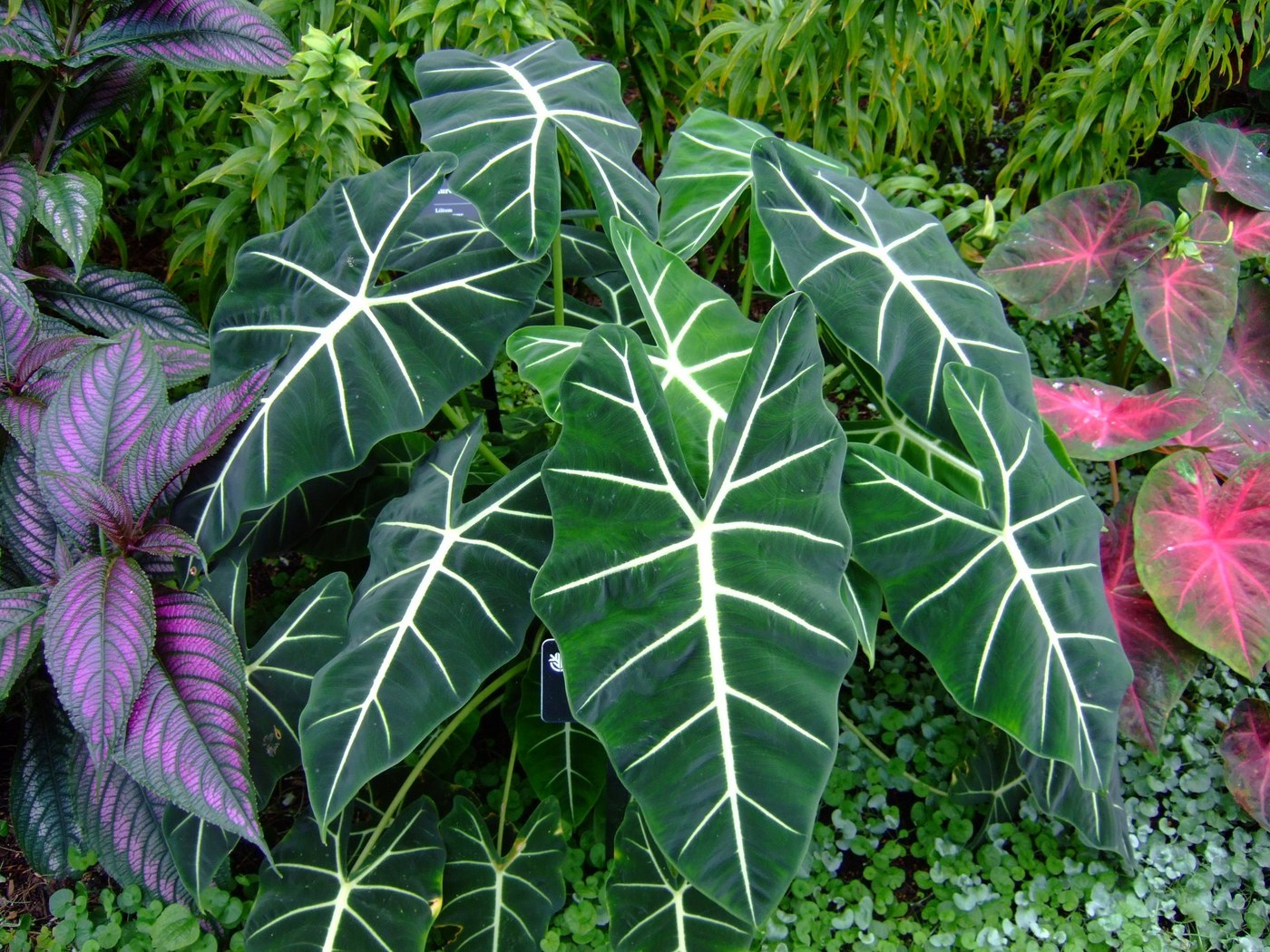
Alocasia Frydek (Alocasia micholitziana 'Frydek') is a striking tropical houseplant with velvety, arrow-shaped dark green leaves and bright white veining. It is rewarding but demanding, making it a project for growers ready to meet its higher humidity and moisture needs.
Light
Provide bright, indirect light. An east-facing window or a spot a few feet back from a brighter window is ideal. The velvet leaves scorch in direct midday sun, yet too little light causes weak, stretched growth and faded veining. Rotate the plant regularly for even, upright leaves.
Water
Keep the soil evenly moist, letting only the top inch dry between waterings. Alocasia Frydek is sensitive to both extremes: soggy soil quickly causes root rot, while drought triggers drooping and leaf loss. Use room-temperature water and empty the saucer promptly. Reduce frequency in winter when growth slows.
Soil & Potting
Use a light, chunky, fast-draining aroid mix; a blend of potting soil, orchid bark, perlite, and coco coir works well. Good aeration around the roots is essential to prevent rot. Always plant in a pot with drainage holes and avoid dense, moisture-retentive mixes.
Humidity & Temperature
High humidity is critical: aim for 60% or more. Use a humidifier, pebble tray, or a grouping of plants; low humidity causes crispy leaf edges. Keep temperatures warm, roughly 65-80F (18-27C), and away from cold drafts, heating vents, and air conditioners. Cold below about 55F stresses the plant and can trigger dormancy.
Feeding
Feed every two to four weeks during spring and summer with a balanced liquid houseplant fertilizer diluted to half strength. Stop feeding in fall and winter. Flush the soil occasionally to prevent salt buildup, which can burn the sensitive roots and brown the leaf tips.
Propagation
Propagate by division of the offsets (pups) or rhizome clumps at the base, best done during repotting in spring. Separate a section that has its own roots and pot it into fresh aroid mix. Corms can also be potted up and kept warm and humid until they sprout. Patience is needed, as new growth can be slow.
Repotting / Pruning
Repot every one to two years in spring, or when roots fill the pot, moving up just one size. Alocasia often prefers being somewhat snug. Prune only to remove yellowing or damaged leaves, cutting them at the base with clean tools. If the plant drops all its leaves, keep the corm warm and lightly moist; it often regrows.
Common Problems & Pests
Spider mites are the biggest threat, especially in dry air; look for fine webbing and stippled leaves and treat with regular wipe-downs and insecticidal soap. Also watch for thrips, mealybugs, and aphids. Yellow leaves usually mean overwatering, while crispy edges point to low humidity or salt buildup. Drooping often signals thirst or root rot, so check the roots.
Seasonal Care Tips
In spring and summer, this plant grows actively: water consistently, feed, and keep humidity high. In fall and winter, growth slows dramatically; water less, stop feeding, and protect from cold and dry indoor heating. Do not panic if it goes semi-dormant and loses leaves in winter, as it usually rebounds when warmth and light return.
Frequently asked questions
Why are my Alocasia Frydek's leaves drooping?
Drooping is most often caused by inconsistent watering, either too dry or too wet. Check the top inch of soil and the roots. Low humidity and sudden temperature changes can also cause drooping.
How do I keep spider mites off my Alocasia Frydek?
Keep humidity high, since mites thrive in dry air, and inspect the leaf undersides often. Wipe leaves regularly and treat any infestation promptly with insecticidal soap or horticultural oil.
Why is my Alocasia Frydek losing all its leaves?
This can be seasonal dormancy in winter or a stress response to cold, drought, or root problems. Keep the corm warm and barely moist, and it will often push out new growth when conditions improve.
Is Alocasia Frydek hard to grow?
It is considered a challenging houseplant because it needs high humidity, steady moisture, warmth, and bright indirect light. With those conditions met, it rewards you with dramatic velvet leaves.