
How to Care for Aluminum Plant
Care for the aluminum plant (Pilea cadierei), an easy houseplant prized for quilted green leaves splashed with metallic silver markings.
Read the full Aluminum Plant encyclopedia entry →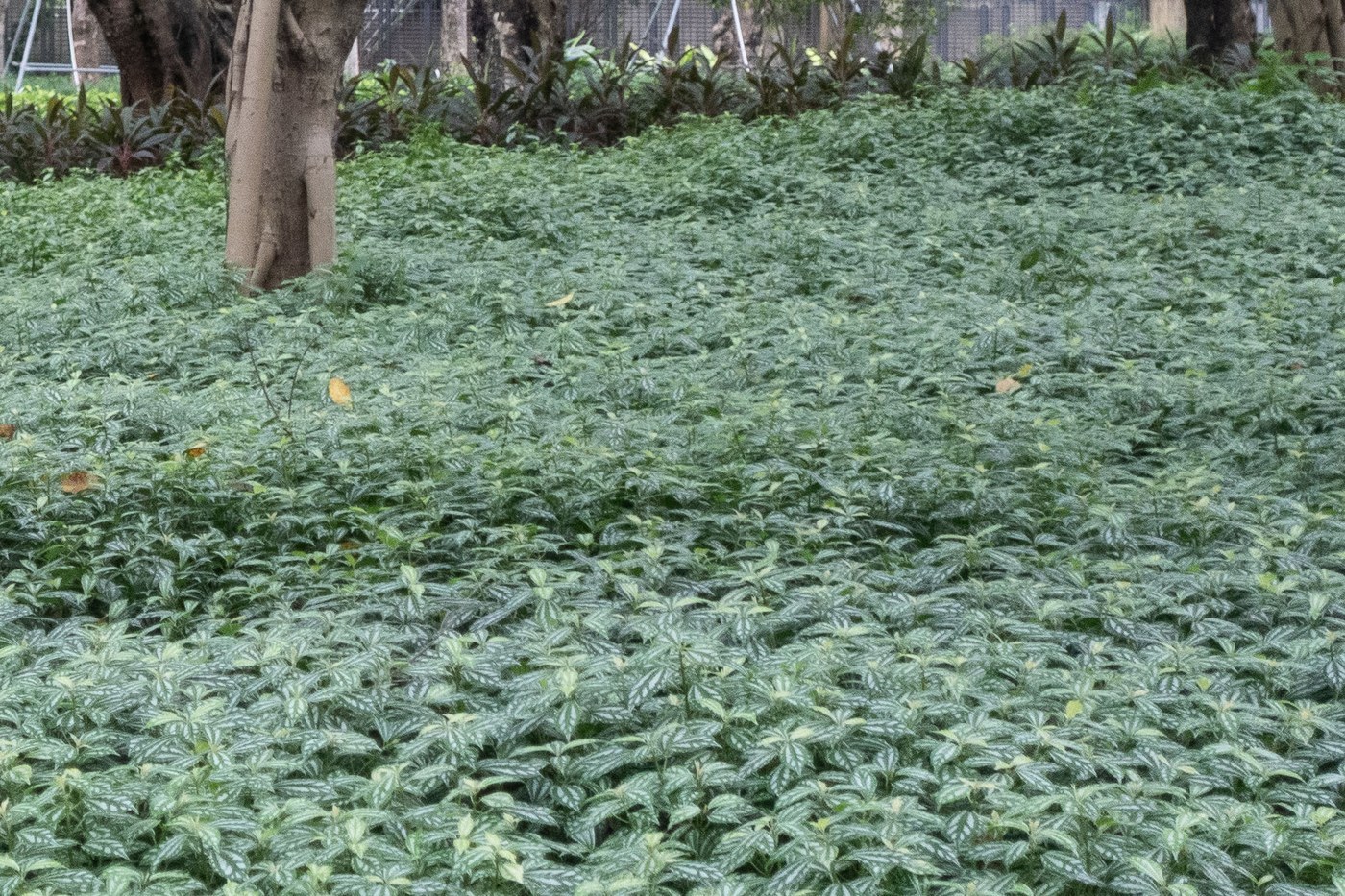
The aluminum plant is a compact, fast-growing houseplant valued for its striking foliage: deep green, quilted leaves stitched with raised bands of silvery, metallic-looking color. It is easy to grow and quick to bush out with regular pinching.
Light
Give the aluminum plant bright, indirect light to keep its silver variegation vivid. An east-facing window or a spot a little back from a brighter window is ideal. Too little light causes leggy, sparse growth and duller markings, while harsh direct sun can bleach and scorch the delicate leaves.
Water
Keep the soil lightly moist but never waterlogged. Water when the top centimetre or two of soil feels dry, allowing excess to drain fully. This plant dislikes both drought, which causes wilting and leaf drop, and soggy roots, which lead to rot. Reduce watering in winter when growth slows.
Soil & Potting
Use a light, well-draining potting mix rich in organic matter, such as a peat- or coir-based houseplant mix amended with perlite for aeration. Always plant in a container with drainage holes. A slightly acidic to neutral pH suits it well.
Humidity & Temperature
The aluminum plant enjoys moderate to high humidity and warm temperatures between about 18 and 24 C. Keep it away from cold drafts, heating vents, and windows in winter, as it dislikes temperatures below roughly 12 C. Boost humidity with a pebble tray, a nearby humidifier, or by grouping it with other plants.
Feeding
Feed with a balanced, diluted liquid houseplant fertilizer every two to four weeks during spring and summer. Do not feed in autumn and winter when growth naturally slows. Avoid over-fertilizing, which can cause salt buildup and leaf-tip browning.
Propagation
Aluminum plant roots very easily from stem cuttings. Take a tip cutting a few centimetres long with several leaves, remove the lowest leaves, and place it in water or moist potting mix. Kept warm and humid, cuttings root within a couple of weeks. Taking cuttings regularly is the best way to keep a fresh, full-looking plant.
Repotting / Pruning
Repot every year or two in spring, moving up one pot size when roots fill the container. Pinch growing tips frequently to encourage branching and a bushy shape, as the plant tends to grow leggy with age. Because older specimens decline, many growers simply restart with rooted cuttings every year or two.
Common Problems & Pests
Leggy, stretched stems usually mean too little light or infrequent pinching. Brown, crispy leaf tips point to low humidity or salt buildup, while yellowing lower leaves often signal overwatering. Watch for spider mites in dry air, plus mealybugs and aphids; treat infestations by wiping leaves and using insecticidal soap.
Seasonal Care Tips
In spring and summer, provide bright light, regular water, and feeding to fuel active growth, and pinch tips often. In autumn and winter, cut back on water, stop feeding, and protect the plant from cold and drafts. Refresh straggly plants with a spring repot or by rooting new cuttings.
Frequently asked questions
Why is my aluminum plant getting leggy?
Legginess is caused by insufficient light or a lack of pinching. Move it to brighter indirect light and pinch the growing tips regularly to encourage branching and a fuller, more compact shape.
How do I keep the silver markings bright?
Bright, indirect light is the key to vivid silver variegation. In too-dim conditions the metallic bands fade and the leaves turn plainer green, so give it a well-lit spot out of harsh direct sun.
Why are the leaf tips turning brown?
Brown, crispy tips usually indicate low humidity or a buildup of fertilizer salts. Raise humidity with a pebble tray or humidifier, flush the soil occasionally, and avoid over-feeding.
How often should I repot it?
Repot every one to two years in spring when roots fill the pot. Since older plants tend to decline, many growers simply start fresh from easy stem cuttings rather than keeping the same plant indefinitely.