
How to Care for Alyssum
Grow sweet alyssum (Lobularia maritima): an easy, low-mounding annual carpet of tiny flowers for sun to part shade.
Read the full Alyssum encyclopedia entry →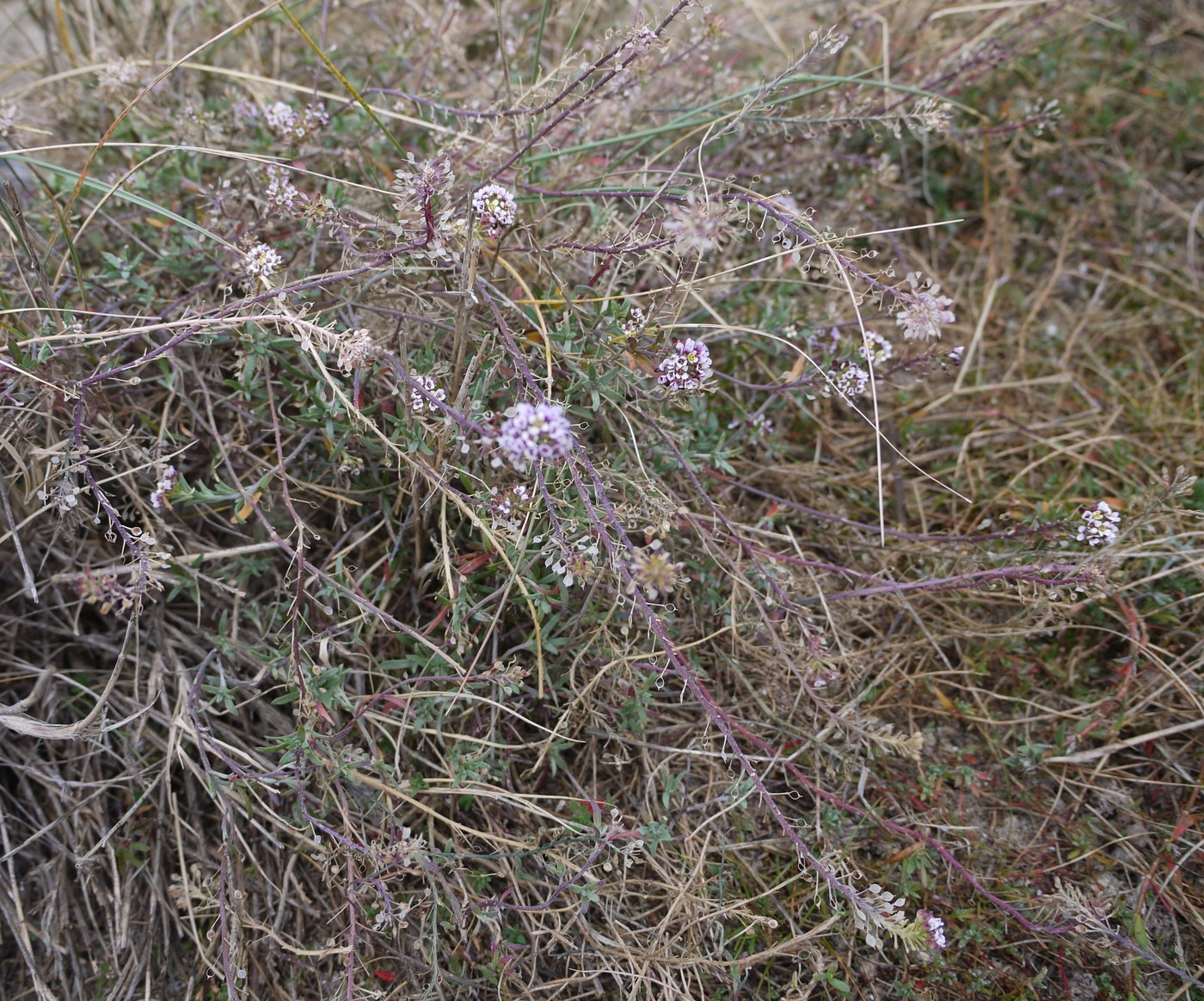
Sweet alyssum is a low, spreading annual (sometimes short-lived perennial in mild climates) that forms a dense carpet of tiny four-petaled flowers in white, purple, pink, or apricot. Fast, forgiving, and long-blooming, it is a favorite edging, container, and groundcover plant.
Light
Alyssum grows best in full sun, which gives the fullest, most compact mounds and heaviest bloom. It tolerates part shade, especially welcome in hot climates where afternoon shade keeps it flowering longer. Too much shade produces sparse, floppy growth and fewer flowers.
Water
Provide moderate water, letting the surface dry slightly between waterings. Keep young plants and containers evenly moist, since alyssum is shallow-rooted and dries out quickly in pots and hanging baskets. Established plants tolerate short dry spells but bloom best with steady moisture. Avoid constant sogginess.
Soil & Potting
It is adaptable to most well-drained soils, from sandy to loamy, and tolerates lean ground. Good drainage matters more than fertility. For containers, use a quality potting mix; alyssum is a classic filler and edger that spills nicely over pot rims and basket edges.
Humidity & Temperature
Alyssum favors cool to mild conditions and flowers most heavily in spring and autumn. In hot, humid summers it often stalls or thins out, then rebounds as temperatures ease. It handles light frost and is one of the earliest and latest bloomers of the season.
Feeding
A light feeder, alyssum needs only modest fertility. Mix a little slow-release fertilizer into planting beds or containers, or apply a diluted balanced liquid feed every few weeks for plants in pots. Overfeeding produces leafy growth at the expense of flowers.
Propagation
Alyssum is grown easily from seed. Sow directly where it is to grow after frost, or start indoors a few weeks earlier; the fine seed needs light to germinate, so press it onto the surface without covering. It self-sows freely, often returning on its own the following year.
Repotting / Pruning
If plants become leggy or stop blooming, especially in midsummer heat, shear them back by about a third to refresh the mound and trigger a new flush of flowers. Deadheading or a light trim keeps containers tidy and prolongs bloom. As a fast annual it does not need repotting.
Common Problems & Pests
Alyssum is largely trouble-free. In heat and humidity it can develop downy mildew or stem rot if crowded or kept too wet; give it airflow and avoid overhead watering. Aphids and occasional caterpillars may appear and can be rinsed off or treated with insecticidal soap. Its main habit is simply to thin out during peak summer heat.
Seasonal Care Tips
Sow or plant out in spring after frost for early color. Shear back midseason to revive heat-stalled plants. In mild-winter climates it often blooms through autumn into winter and may overwinter as a short-lived perennial. Let some plants set seed if you want volunteers next year.
Frequently asked questions
Why did my alyssum stop blooming in summer?
Alyssum favors cool weather and often stalls in hot, humid midsummer. Shear it back by about a third, keep it watered, and it usually rebounds with fresh flowers as temperatures ease.
How do I grow alyssum from seed?
Sow the fine seed on the soil surface without covering it, since it needs light to germinate. Direct-sow after frost or start indoors a few weeks earlier. It also self-sows readily.
Does alyssum need full sun?
It blooms best in full sun with the most compact mounds. It tolerates part shade, which is helpful in hot climates, but deep shade leads to sparse, floppy growth.
Does alyssum come back every year?
It is usually grown as an annual but self-sows freely, so volunteers often reappear. In mild-winter climates it can behave as a short-lived perennial.