
How to Care for Apache Pine
Grow Apache Pine (Pinus engelmannii): a rugged southwestern pine with dramatically long needles that shrugs off heat and drought.
Read the full Apache Pine encyclopedia entry →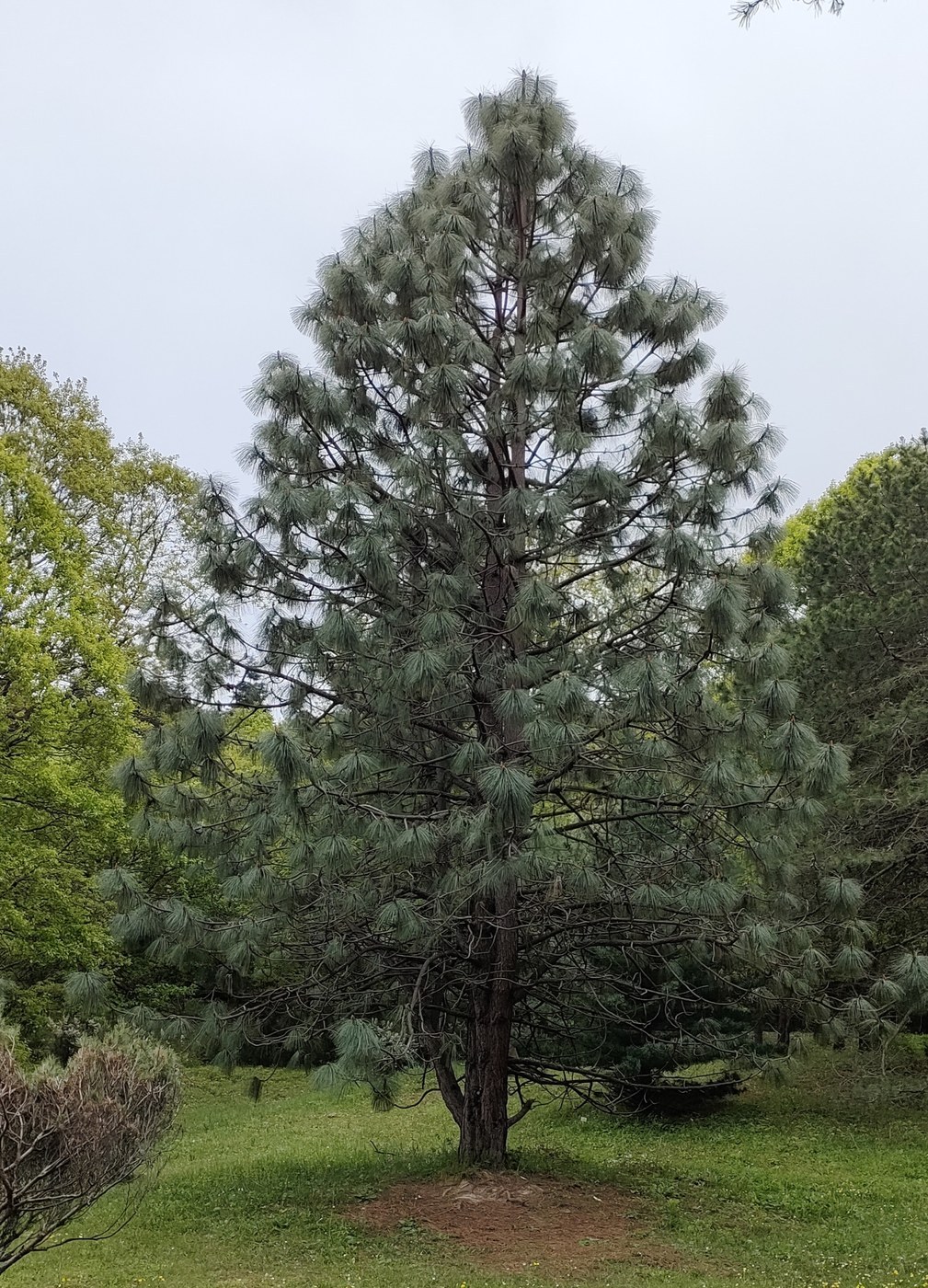
Apache Pine (Pinus engelmannii) is a striking evergreen of the southwestern United States and northern Mexico, distinguished by its exceptionally long, drooping needles clustered in bundles that give young trees a shaggy, palm-like look. It is a heat- and drought-tolerant mountain pine that rewards full sun and lean, well-drained soil.
Light
Apache Pine demands full sun. It is a high-elevation, open-woodland species with no tolerance for shade, so plant it in the most open, sunny location available. Young trees pass through a distinctive grass-like stage, and abundant light is essential for them to develop strong stems and eventually gain height.
Water
Water young trees regularly during establishment to build a deep, resilient root system. Once established, Apache Pine is drought-tolerant and adapted to the summer-monsoon and dry-winter rhythm of its native range. Avoid overwatering and never let it sit in soggy soil. Deep, infrequent soakings during prolonged drought are far better than frequent shallow watering.
Soil & Potting
This pine prefers well-drained, gravelly or sandy soils and is adapted to lean, rocky mountain ground. It tolerates a slightly acidic to neutral pH. Sharp drainage is critical, as heavy, waterlogged soils invite root rot. Grow it in the landscape; while seedlings can start in deep containers, it is a large forest tree unsuited to permanent pot culture.
Humidity & Temperature
Hardy roughly in USDA zones 7 through 9, Apache Pine is built for hot days, cool nights, and low humidity. It withstands considerable summer heat and moderate cold once established. It is not suited to humid, wet climates, where fungal problems become more likely.
Feeding
Apache Pine needs little feeding and thrives in lean soil. If growth is poor in very depleted ground, apply a light dose of a balanced or evergreen fertilizer in early spring. Avoid heavy nitrogen, which forces weak growth. A layer of organic mulch over the root zone conserves moisture and moderates soil temperature.
Propagation
Propagation is from seed, collected from mature cones and sown in a gritty, well-drained mix. Seed germinates best when fresh and kept warm. Seedlings pass through the grass stage before elongating, so patience is required. Pines are generally not grown from cuttings.
Repotting / Pruning
Apache Pine needs minimal pruning. Remove only dead, damaged, or diseased branches, ideally in late winter or early spring. Do not shear or top the tree, as pines do not resprout well from old wood. To encourage denser growth on young trees, the soft new candles can be pinched in spring. Repot container seedlings into deep pots to accommodate the taproot until planting out.
Common Problems & Pests
Generally tough and pest-resistant in a suitable dry climate, Apache Pine can suffer from bark beetles when stressed by drought, so keeping trees vigorous is the best defense. Root rot from overwatering or poor drainage is the main cultural risk. In humid conditions, needle-cast fungi may cause needle browning and drop.
Seasonal Care Tips
In spring, watch for new candle growth and pinch if you want denser branching; this is the time for any needed pruning. Through summer, water young trees during dry spells and let established trees rely largely on rainfall. In fall, ease off watering as growth slows. In winter, the tree is dormant and needs little care beyond protection of very young seedlings from hard freezes.
Frequently asked questions
Why does my young Apache Pine look like a clump of grass?
That is the natural grass stage. Young Apache Pines put energy into roots and long needles before elongating upward, which can take a few years in full sun.
How much water does an established Apache Pine need?
Very little. Once its deep roots are established, it is drought-tolerant and prefers infrequent deep soakings over regular watering, especially in well-drained soil.
Can Apache Pine grow in shade?
No. It requires full sun and will struggle or fail in shade, reflecting its native open, high-elevation woodland habitat.
What is the biggest mistake growing Apache Pine?
Overwatering and planting in heavy, poorly drained soil. Both invite root rot; this pine needs sharp drainage and dry-side conditions to thrive.