How to Care for Arizona Cypress
Grow Arizona cypress (Cupressus arizonica): a fast, drought-tough evergreen with blue-gray foliage for full sun and dry soils.
Read the full Arizona Cypress encyclopedia entry →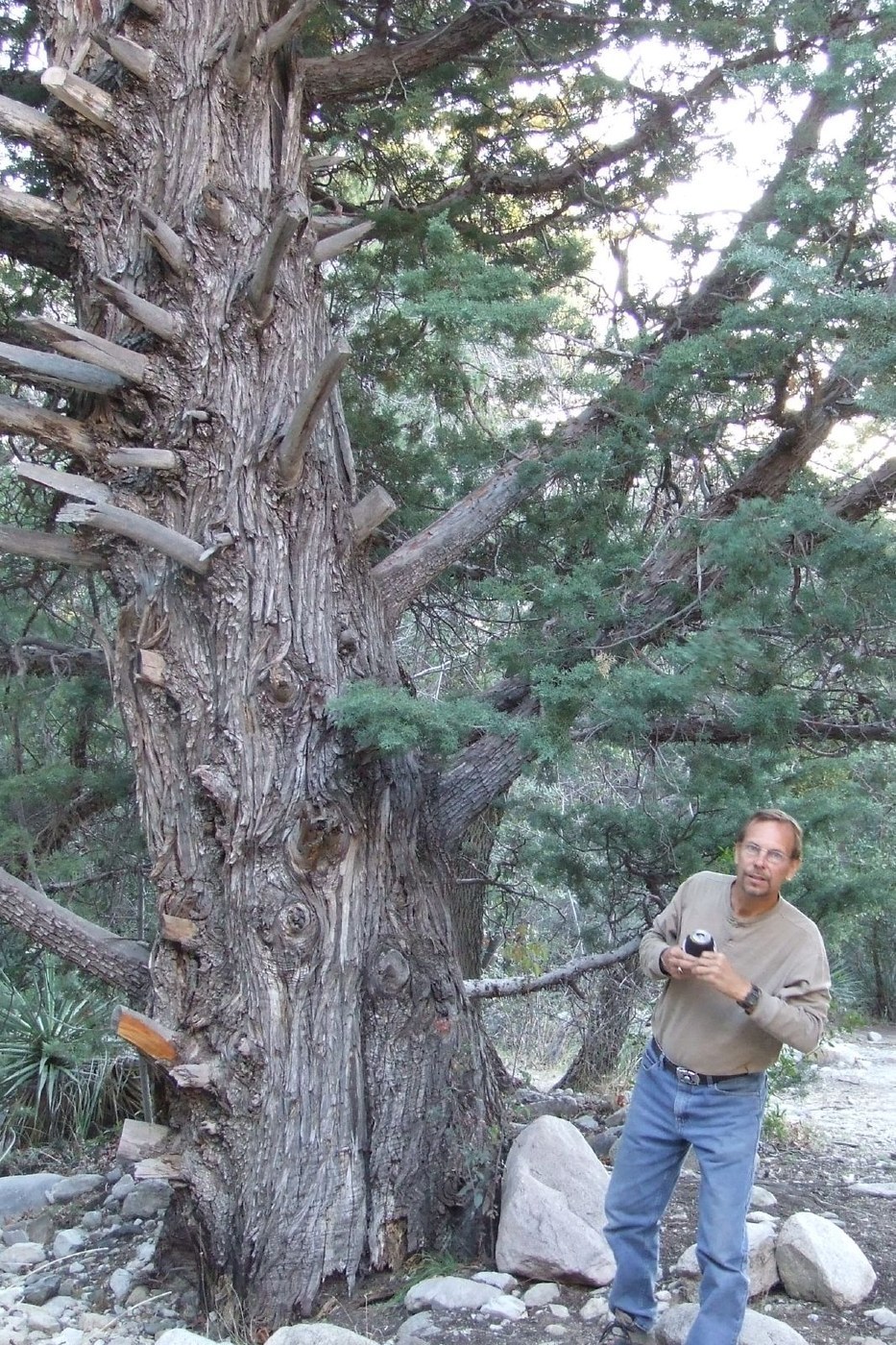
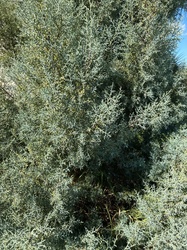
Arizona cypress is a fast-growing evergreen conifer prized for its dense, blue-gray to silvery scale-like foliage and neat pyramidal form. Exceptionally heat- and drought-tolerant, it makes an excellent screen, windbreak, or specimen tree in hot, dry climates.
Light
Give Arizona cypress full sun, all day if possible. It demands strong light for dense, well-colored foliage and a compact habit. In shade it grows thin, open, and leggy. It is one of the best conifers for open, sun-baked sites.
Water
This is a low-water tree, very drought tolerant once established. Water young trees regularly through their first year or two to build roots, then taper off; mature trees rarely need irrigation. Its worst enemy is overwatering and soggy soil, so err on the dry side.
Soil & Potting
Arizona cypress needs sharp drainage above all. It thrives in dry, rocky, sandy, or gravelly soils and tolerates poor, lean ground and a range of pH. Heavy, wet clay is the main cause of decline. On dense soils, plant on a raised mound to improve drainage.
Humidity & Temperature
Adapted to hot, arid climates, it excels in heat and dislikes prolonged humidity, which encourages foliar disease. It is cold-hardy to well below freezing but performs best where summers are hot and dry. Good airflow around the canopy is important in humid regions.
Feeding
This tree needs little to no feeding and grows well in poor soil. If growth is weak, apply a light dose of balanced or evergreen fertilizer in early spring. Avoid overfeeding, which produces soft, disease-prone growth.
Propagation
Arizona cypress is grown from seed, which germinates best after cold stratification, and selected forms are propagated from semi-hardwood cuttings taken in late summer or by grafting. Seedlings grow quickly once past the delicate juvenile stage.
Repotting / Pruning
It needs little pruning and naturally holds a tidy pyramidal shape. Trim lightly in late winter or early spring to shape or to maintain a hedge or screen; avoid cutting back into old bare wood, as conifers do not regenerate from it. Young nursery trees can be potted up until planted in the ground.
Common Problems & Pests
The main concern is cypress canker, a fungal disease that causes branch dieback and resin bleeding, worse on stressed or overwatered trees. Bagworms and spider mites can also appear, especially in dry, dusty conditions. Root rot follows poor drainage. Keep trees vigorous, avoid overhead watering, and remove diseased branches promptly.
Seasonal Care Tips
Plant in autumn or early spring so roots establish before summer heat. Water deeply but infrequently the first year, then rely on rainfall. Prune lightly in late winter. In humid summers, ensure good airflow and avoid wetting the foliage to reduce canker and mite pressure.
Frequently asked questions
How much water does Arizona cypress need?
Very little once established. Water young trees regularly for the first year or two to build roots, then taper off. Mature trees are highly drought tolerant and dislike soggy soil.
Why is my Arizona cypress turning brown?
Browning branches often signal cypress canker or root rot, both linked to stress and overwatering. Improve drainage, avoid wetting the foliage, and prune out dead or bleeding branches.
Can Arizona cypress be used as a hedge or screen?
Yes. Its fast growth and dense blue-gray foliage make it an excellent screen or windbreak. Trim lightly in late winter, but never cut back into old bare wood.
Does Arizona cypress tolerate poor soil?
It thrives in dry, rocky, sandy, or lean soils as long as drainage is sharp. Heavy, wet clay is the main cause of decline; plant on a mound to improve drainage there.
Arizona Cypress identified by the community
Recent Arizona Cypress specimens identified with Plant Identifier.