How to Care for Arugula
Arugula is a fast-growing leafy annual that thrives in cool weather and rich, moist soil, ready to grow in beds or containers.
Read the full Arugula encyclopedia entry →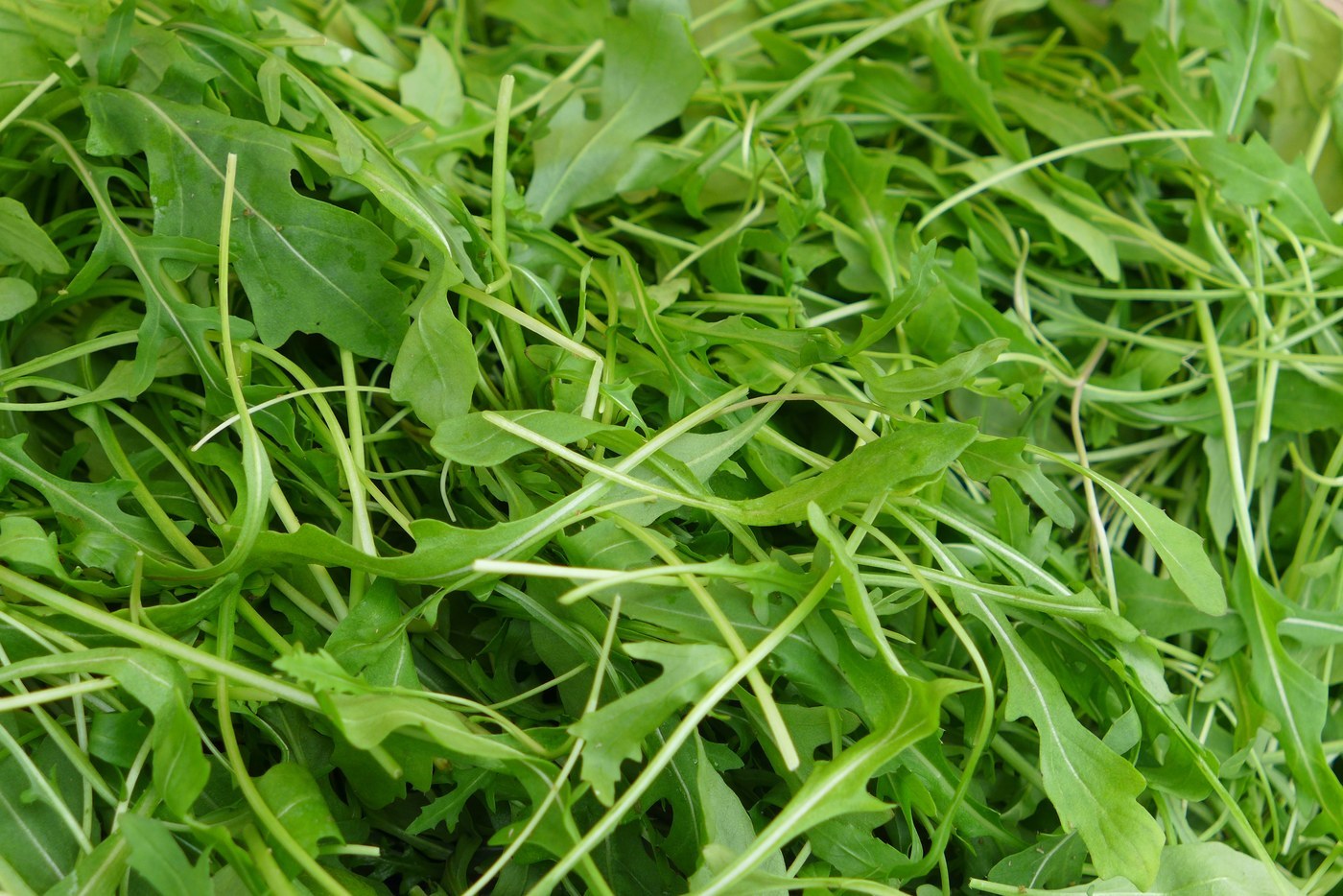
Arugula (Eruca vesicaria) is a fast-growing leafy annual that fills in quickly and is one of the most beginner-friendly plants for a cool-season garden. It performs best in the mild temperatures of spring and fall and grows readily in beds or containers.
Light
Arugula grows well in full sun to part shade. In cooler weather, full sun gives the fastest, sturdiest growth. As temperatures climb, a spot with afternoon shade helps keep plants cooler and slows their tendency to bolt (send up flower stalks) prematurely.
Water
Keep the soil evenly moist with regular watering, as arugula grows quickly and does not like to dry out. Consistent moisture keeps growth tender and lush; letting the soil swing between bone dry and wet stresses plants and hastens bolting. Water at the base to keep leaves clean and reduce fungal issues.
Soil & Potting
Grow arugula in loose, fertile, well-drained soil rich in organic matter. It appreciates a neutral to slightly acidic pH. In containers, a shallow wide pot works well since the roots are not deep; use a quality potting mix and ensure good drainage. Thin seedlings to give each plant room to develop.
Humidity & Temperature
This is a cool-season plant that thrives in temperatures roughly between 45 and 65 degrees Fahrenheit. It tolerates light frost, which is why it excels in spring and fall. Hot summer weather triggers rapid bolting, so time plantings for the cooler shoulder seasons or provide shade in warm climates.
Feeding
Arugula grows fast and benefits from fertile soil worked with compost before planting. A light feeding with a balanced or nitrogen-leaning fertilizer supports leafy growth. Avoid overfeeding, and keep soil steadily fertile rather than relying on heavy single doses.
Propagation
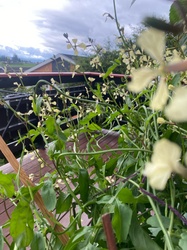
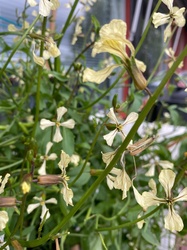
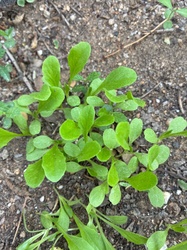
Arugula is grown from seed and germinates quickly, often within a week. Sow seeds shallowly, about a quarter inch deep, directly where they are to grow. Make small successive sowings every two to three weeks during cool weather for a continuous supply of fresh growth. It also self-sows readily if allowed to flower.
Repotting / Pruning
As a quick annual, arugula is generally not repotted; instead sow fresh batches. Regularly picking outer leaves keeps plants productive and delays bolting. Once a plant sends up its flower stalk in warm weather, growth changes character, so start a new sowing to keep a steady supply.
Common Problems & Pests
Flea beetles are the most common pest, chewing tiny shot-holes in the leaves; floating row covers are the best defense. Aphids and slugs can also appear. The biggest cultural challenge is bolting in heat, managed by cool-season timing, shade, and consistent moisture. Good drainage and air flow prevent most fungal issues.
Seasonal Care Tips
Sow in early spring as soon as soil can be worked, and again in late summer for a fall crop. Through the cool months, keep soil evenly moist and make succession sowings. Avoid mid-summer plantings in hot climates, when bolting is nearly guaranteed. In mild-winter regions, arugula can grow right through the cool season.
Frequently asked questions
Why does my arugula bolt so quickly?
Heat is the main trigger. Arugula is a cool-season plant, and warm temperatures make it send up flower stalks fast. Grow it in spring and fall, keep it evenly watered, and provide afternoon shade in warm weather.
How do I keep arugula producing longer?
Pick outer leaves regularly, keep the soil consistently moist, and make small successive sowings every two to three weeks during cool weather for a steady supply.
Can I grow arugula in a container?
Yes. Its roots are shallow, so a wide, shallow pot with good drainage and quality potting mix works well. Keep it in a bright spot and water regularly.
What are the tiny holes in my arugula leaves?
Those are usually from flea beetles, which chew small shot-holes in the foliage. Floating row covers laid over the plants are the most effective way to keep them off.
Arugula identified by the community
Recent Arugula specimens identified with Plant Identifier.