
How to Care for Asparagus
Growing guide to Asparagus: full sun, deep well-drained soil, and the patient establishment that lets this long-lived perennial thrive for decades.
Read the full Asparagus encyclopedia entry →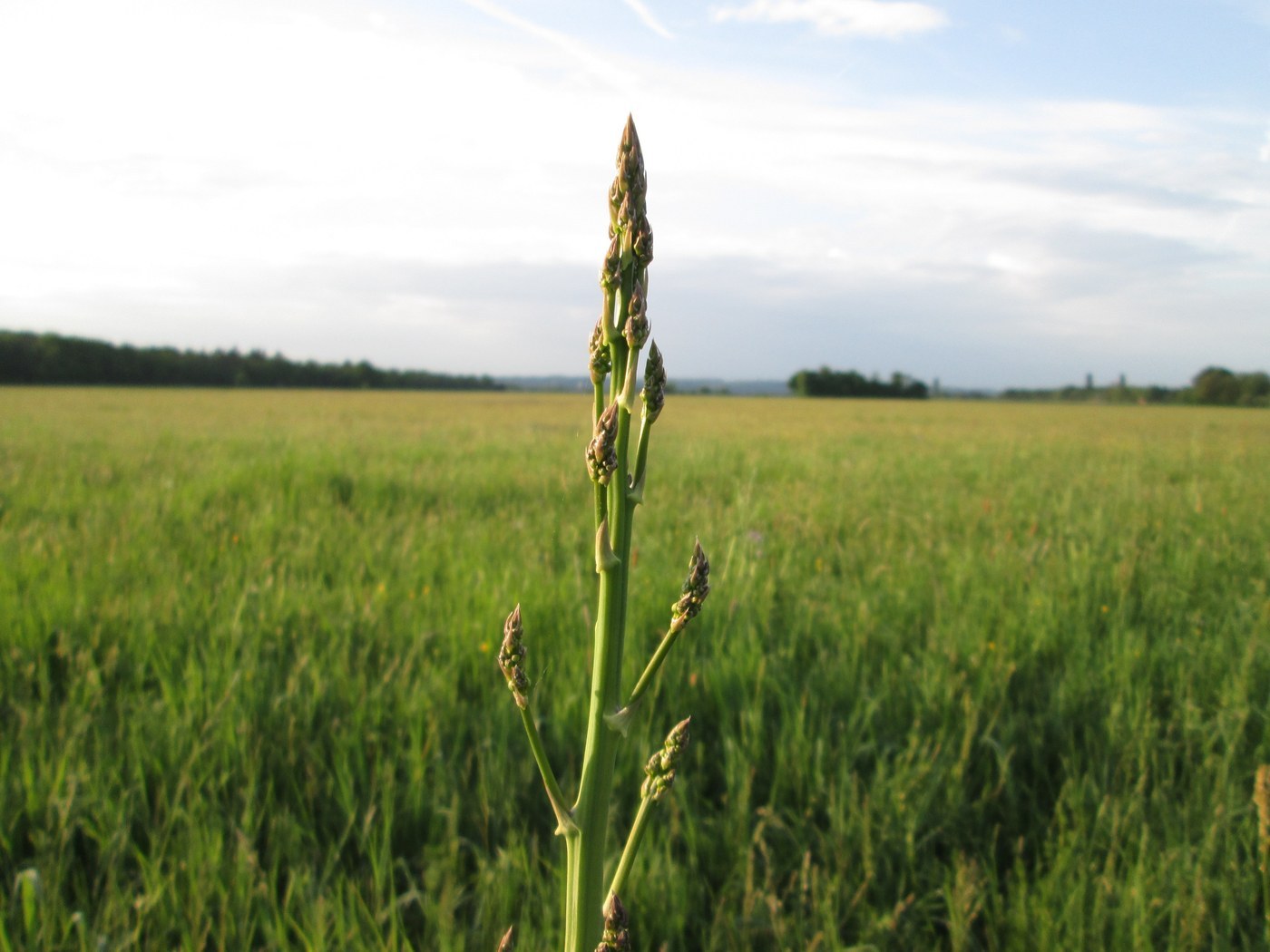
Asparagus (Asparagus officinalis) is a long-lived herbaceous perennial grown in a permanent bed, sending up tall, feathery, fern-like fronds from a fleshy crown each year. It is a patient gardener's plant: it takes a few seasons to establish, but a well-sited bed can flourish for fifteen to twenty years or more.
Light
Asparagus demands full sun, at least six to eight hours of direct light a day. Strong sun powers the ferny top growth that feeds the crown and builds a vigorous, productive planting. In shade the plants grow weak, spindly, and short-lived, so choose the sunniest spot in the garden.
Water
Keep the bed consistently moist during the first two years while the deep root system establishes, as this early care sets up long-term vigor. Once mature, asparagus is notably drought-tolerant thanks to its deep roots, but it still performs best with regular water during the active growing season and dry spells. Water deeply rather than shallowly, and avoid waterlogging, which rots the crowns.
Soil & Potting
Deep, loose, well-drained soil is essential; asparagus hates wet feet and heavy, compacted ground. Prepare the bed thoroughly before planting, digging a wide trench and working in plenty of compost or well-rotted organic matter. It prefers a near-neutral to slightly alkaline pH and dislikes very acidic soil. Sandy loams that warm early and drain freely are ideal. Because the planting is permanent, invest in soil preparation up front and plant crowns in trenches, spreading the roots and backfilling gradually as shoots grow.
Humidity & Temperature
Asparagus is a cold-hardy perennial that needs a distinct cool or cold dormant period, thriving in temperate climates roughly through USDA zones 3-8. It tolerates a wide range of outdoor humidity. Crowns rest through winter and push new spears once the soil warms in spring. It struggles in hot, frost-free climates that never allow proper dormancy.
Feeding
Feed the bed generously since it stays in place for years. Topdress with compost and apply a balanced fertilizer in early spring as growth begins, and again after the spring flush to fuel the ferns. Rich, fertile soil supports the strong summer fronds that recharge the crowns for next season. Keep the bed weed-free, as asparagus competes poorly with weeds.
Propagation
Most gardeners start asparagus from one-year-old crowns planted in prepared trenches, which is faster than seed. It can also be grown from seed started indoors, though this adds a year before the bed matures. Established clumps can be divided in early spring, though division sets the planting back and is less common than starting fresh crowns.
Repotting / Pruning
Asparagus is a permanent, in-ground planting rather than a container plant, so there is no repotting. The main seasonal task is cutting down the foliage: let the ferns grow all summer to feed the crown, and once they yellow and die back in late fall, cut the dead stalks to the ground. Leaving old fronds standing can harbor pests over winter. Renew mulch and topdress with compost during the dormant season.
Common Problems & Pests
The most notorious pest is the asparagus beetle, whose adults and larvae chew spears and ferns; handpick them and keep the bed clean of debris. Watch also for aphids and cutworms. Fungal issues such as rust and fusarium crown or root rot appear in wet, poorly drained beds or humid, crowded conditions, so ensure drainage and airflow and remove infected fronds. Rot at the crown is usually a sign of soggy soil. Persistent weeds are a chronic challenge and are best controlled by mulching and shallow cultivation.
Seasonal Care Tips
In early spring, clear the bed, topdress with compost, feed, and refresh mulch as spears emerge. Through summer, let the ferns grow tall and undisturbed to build crown strength, keeping the bed watered and weeded. In fall, allow the foliage to yellow naturally, then cut it to the ground once fully browned. In winter the crowns are dormant; a protective mulch shields them from harsh cold, and the bed rests until spring warmth restarts the cycle.
Frequently asked questions
How long does an asparagus bed take to establish?
Asparagus is a patient plant. Crowns typically need two to three years of establishment before the bed reaches full vigor, but a well-prepared bed can then remain productive for fifteen to twenty years or more.
What kind of soil does asparagus need?
It needs deep, loose, well-drained soil rich in organic matter, with a near-neutral to slightly alkaline pH. It will not tolerate heavy, compacted, or waterlogged ground, which rots the crowns.
Should I cut down asparagus ferns in fall?
Let the ferns grow all summer to feed the crown, then cut the stalks to the ground once they yellow and die back in late fall. Removing the spent foliage reduces overwintering pests.
How do I control asparagus beetles?
Handpick adults and larvae from spears and ferns, keep the bed free of debris where they shelter, and cut down dead foliage in fall to reduce overwintering populations.