
How to Care for Bacopa
Grow Bacopa (Sutera cordata) for cascading mats of tiny white or lavender flowers. A trailing container favorite that wants steady moisture and sun.
Read the full Bacopa encyclopedia entry →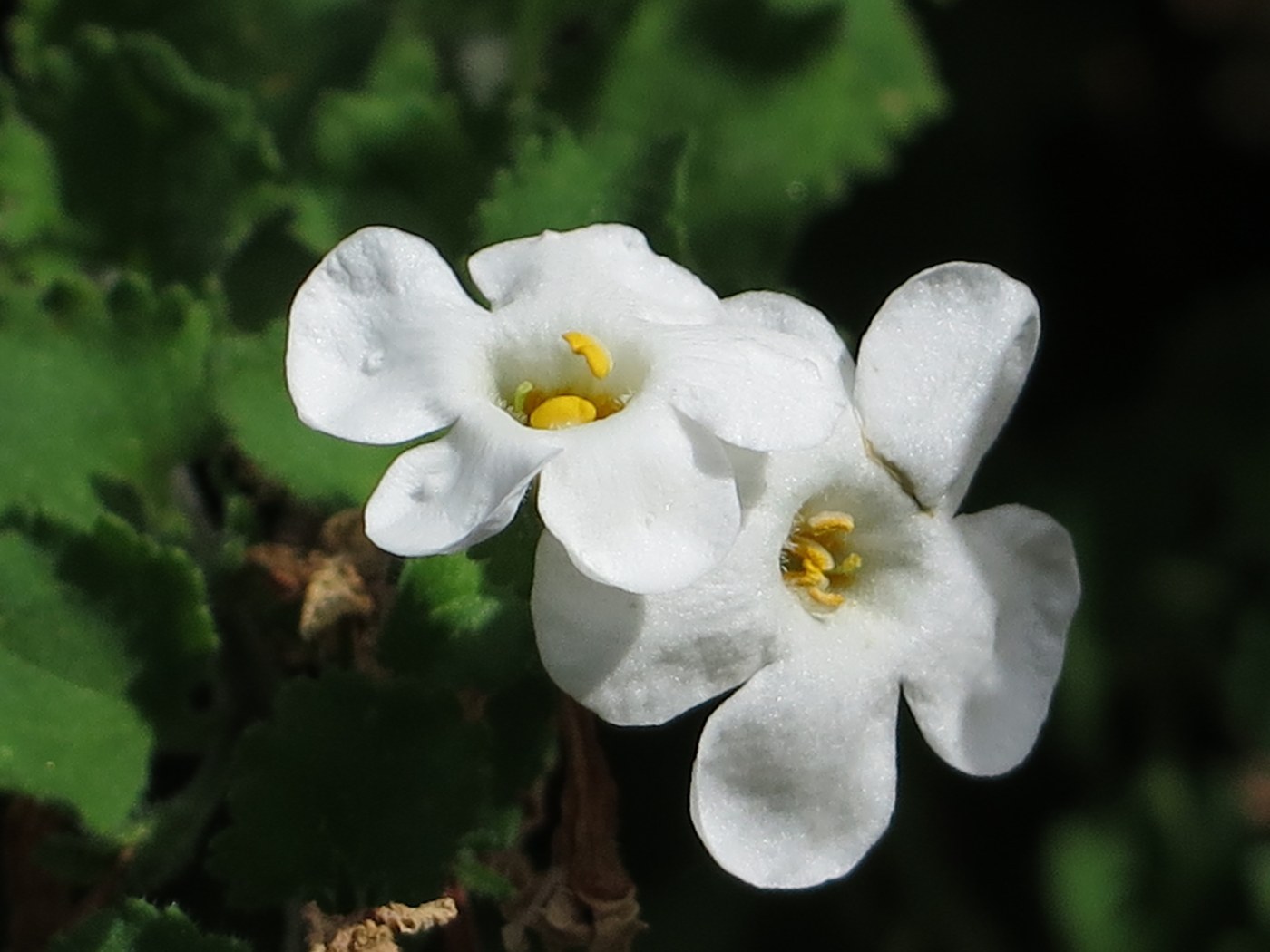
Bacopa (Sutera cordata) is a low, trailing tender perennial grown as a warm-season annual, smothering itself in tiny white, pink, or lavender flowers over small green leaves. Its cascading habit makes it a star in hanging baskets, window boxes, and container edges, where it spills gracefully over the sides.
Light
Bacopa thrives in full sun to part shade. It flowers most freely with plenty of light, but in hot climates a bit of afternoon shade prevents stress and helps keep it blooming. In deep shade, flowering drops off and growth becomes sparse and stretched.
Water
Consistent moisture is critical: keep the soil evenly moist at all times. Bacopa is unforgiving of drying out, and even a single wilt can cause it to drop flowers and stall bloom for weeks. In hot weather or hanging baskets, it may need watering once or even twice daily. Do not let it sit waterlogged, however.
Soil & Potting
Use a rich, well-drained, moisture-retentive potting mix. Quality container soil with added organic matter holds the steady moisture Bacopa demands while still draining freely. Ensure pots have good drainage. Its shallow, fibrous roots dry out fast, so a mix that resists drought without becoming soggy is ideal.
Humidity & Temperature
Bacopa favors warm, mild conditions and moderate to high humidity. It performs beautifully in the moderate temperatures of spring and fall and can slow or stop blooming in extreme summer heat. It is frost tender and treated as an annual where winters are cold, though it can be overwintered indoors in bright, cool conditions.
Feeding
As a heavy-blooming annual, Bacopa is a hungry feeder. Apply a dilute liquid fertilizer regularly, roughly every week or two, through the growing season, or incorporate a slow-release feed at planting. Steady nutrition keeps foliage green and flowering continuous; underfed plants yellow and bloom poorly.
Propagation
Propagate from stem cuttings, which root readily in moist media during the growing season; this is the usual way to increase named varieties. It can also be grown from seed, though cuttings give faster, truer results. Take cuttings in late summer to overwinter plants for the next year.
Repotting / Pruning
If growth stalls or the plant grows leggy midseason, trim the trailing stems back by a third to encourage fresh branching and renewed bloom; modern varieties are largely self-cleaning and need little deadheading. When potting up, move into a slightly larger container with fresh moisture-retentive mix and never let the rootball dry during the process.
Common Problems & Pests
The most common issue is bloom failure from drying out or from inadequate feeding, both easily corrected with consistent water and fertilizer. Root rot can occur in constantly soggy, poorly drained pots. Aphids and whiteflies may appear on soft new growth. Yellowing leaves usually signal hunger or waterlogged roots.
Seasonal Care Tips
In spring, plant into rich moist mix and begin regular feeding. Through summer, water diligently, never letting the soil dry, and trim leggy stems to refresh bloom; provide afternoon shade in extreme heat. In fall, take cuttings to overwinter if desired. In cold regions the plant is discarded after frost or brought indoors to a bright, cool spot.
Frequently asked questions
Why did my bacopa stop flowering?
The usual causes are letting it dry out or underfeeding. Bacopa drops blooms and stalls for weeks after wilting, so keep the soil consistently moist and feed regularly to keep flowers coming.
How often should I water bacopa?
Enough to keep the soil evenly moist at all times. In hanging baskets and hot weather that can mean daily or twice-daily watering. Never let it dry out completely.
Is bacopa a perennial?
It is a tender perennial usually grown as a warm-season annual. It is frost tender, but you can take cuttings or overwinter it indoors in a bright, cool spot.
Does bacopa need deadheading?
Most modern varieties are self-cleaning and don't require deadheading. If plants grow leggy or bloom slows, trim the trailing stems back to spark fresh branching and flowers.