
How to Care for Bamboo Palm
Grow Chamaedorea seifrizii, an easy clumping indoor palm with slender bamboo-like canes and airy fronds that thrive in bright indirect light.
Read the full Bamboo Palm encyclopedia entry →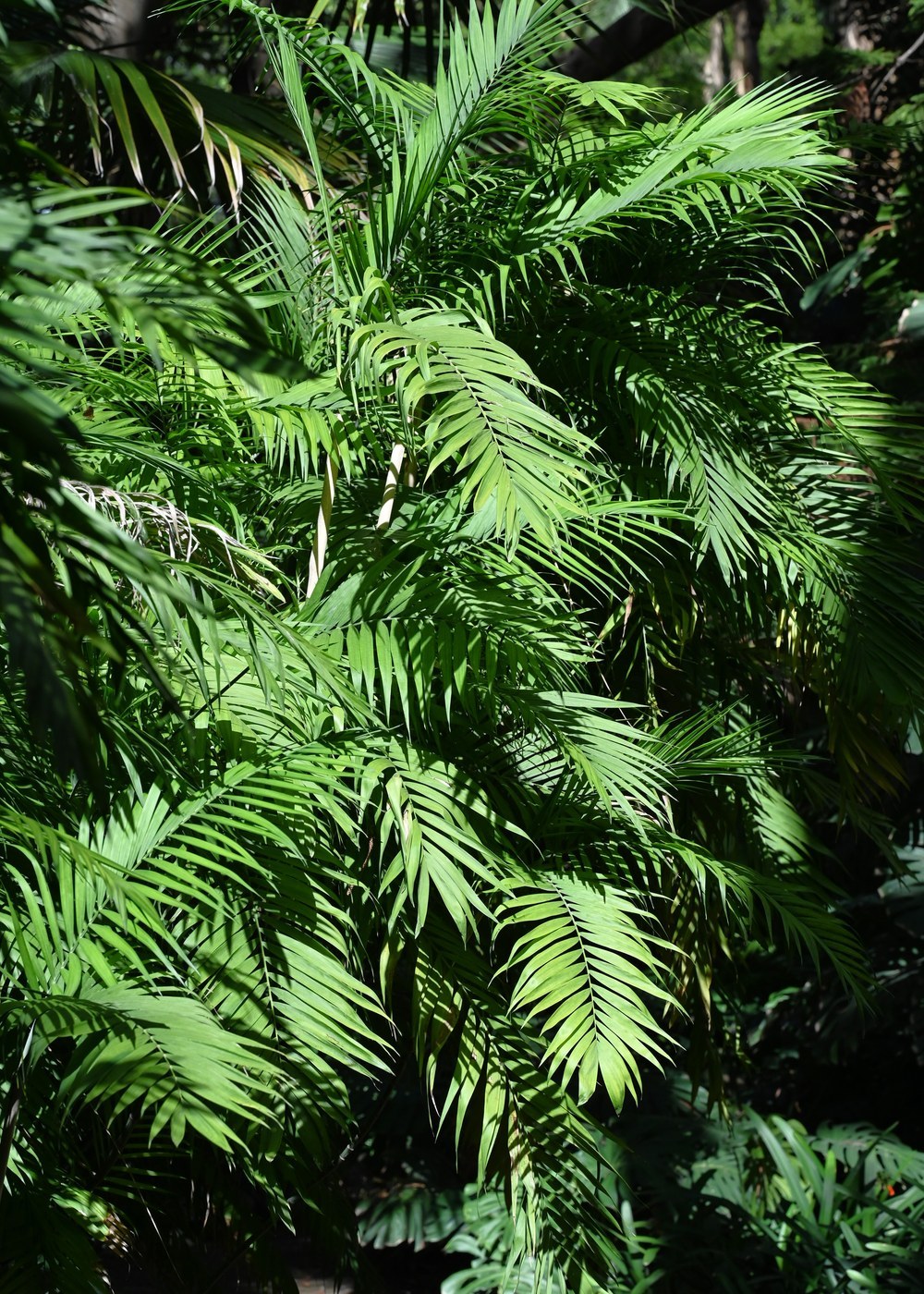
Bamboo palm (Chamaedorea seifrizii) is a graceful, clumping indoor palm with slender, reed-like canes and delicate feathery fronds that bring a soft tropical feel to interiors. It is one of the more forgiving palms for the home, tolerating lower light and average indoor conditions.
Light
Thrives in bright, indirect light near an east or north-facing window or set back from a brighter one. It tolerates medium and even fairly low light, which makes it popular for offices and shaded corners, though growth slows and canes stretch in dim spots. Keep it out of harsh, direct midday sun, which scorches and bleaches the fronds.
Water
Water when the top inch of soil dries out, then moisten thoroughly until it drains freely. The soil should stay lightly, evenly moist but never soggy, as standing water quickly rots the roots. Let the surface dry slightly between waterings and reduce frequency in winter. Use room-temperature water and empty the saucer after watering.
Soil & Potting
Use a loose, well-draining potting mix, such as a peat- or coir-based houseplant blend amended with perlite or bark for aeration. Good drainage is essential, so plant in a pot with drainage holes. A slightly snug pot is fine; these palms flower and grow best when not swimming in excess soil.
Humidity & Temperature
Enjoys moderate to high humidity and warmth, ideally between 18 and 27 C (65 to 80 F). Protect it from cold drafts, air-conditioning blasts, and sudden temperature swings, and keep it above about 10 C (50 F). Dry indoor air can brown the frond tips, so mist occasionally, group plants together, or use a humidity tray or room humidifier.
Feeding
A light feeder. Apply a diluted balanced liquid fertilizer or a palm-specific formula monthly during spring and summer, and stop feeding in fall and winter when growth slows. Palms are sensitive to salt buildup, so flush the pot with plain water occasionally and avoid over-fertilizing, which browns the tips.
Propagation
Most reliably increased by division: separate a mature, multi-caned clump at repotting time, keeping a good root section on each division. It can also be grown from fresh seed, though this is slow and less practical at home. Individual canes cannot be rooted as cuttings.
Repotting / Pruning
Repot only every two to three years, or when roots fill the pot, moving up one size in spring. These palms resent root disturbance, so handle gently. Pruning is minimal; trim off fully brown or dead fronds and spent canes at the base with clean shears. Do not cut green growing tips, as each cane grows from a single point.
Common Problems & Pests
Spider mites are the most common pest, especially in dry air, showing as fine webbing and stippled fronds; raise humidity and rinse the foliage. Watch also for mealybugs and scale on stems and leaf undersides. Brown tips usually signal low humidity, dry soil, or fertilizer salt buildup, while yellowing whole fronds often mean overwatering. Improve drainage and adjust watering to correct.
Seasonal Care Tips
Spring and summer: the active growing season, so water regularly, feed monthly, and repot if needed. Fall and winter: reduce watering, pause feeding, and keep the plant warm and away from cold windows and heating vents. Wipe or rinse the fronds periodically year-round to keep them dust-free and discourage mites.
Frequently asked questions
Why are the tips of my bamboo palm turning brown?
Brown frond tips are most often caused by low humidity, letting the soil dry out too much, or a buildup of fertilizer salts. Raise humidity, water more consistently, and flush the pot occasionally with plain water.
How much light does a bamboo palm need?
It does best in bright, indirect light but tolerates medium and even low light. Avoid direct midday sun, which scorches the fronds. In very dim spots growth slows and canes may stretch.
How often should I water a bamboo palm?
Water when the top inch of soil dries, moistening thoroughly and letting excess drain away. Keep the soil lightly moist but never soggy, and water less often in winter.
How do I propagate a bamboo palm?
Divide a mature, multi-caned clump at repotting time, keeping a healthy root section with each division. Individual canes will not root as cuttings, and seed is slow and difficult at home.