
How to Care for Banana Plant
Grow a lush, tropical Banana Plant with this care guide on light, generous watering, feeding, humidity and pup propagation for big glossy leaves.
Read the full Banana Plant encyclopedia entry →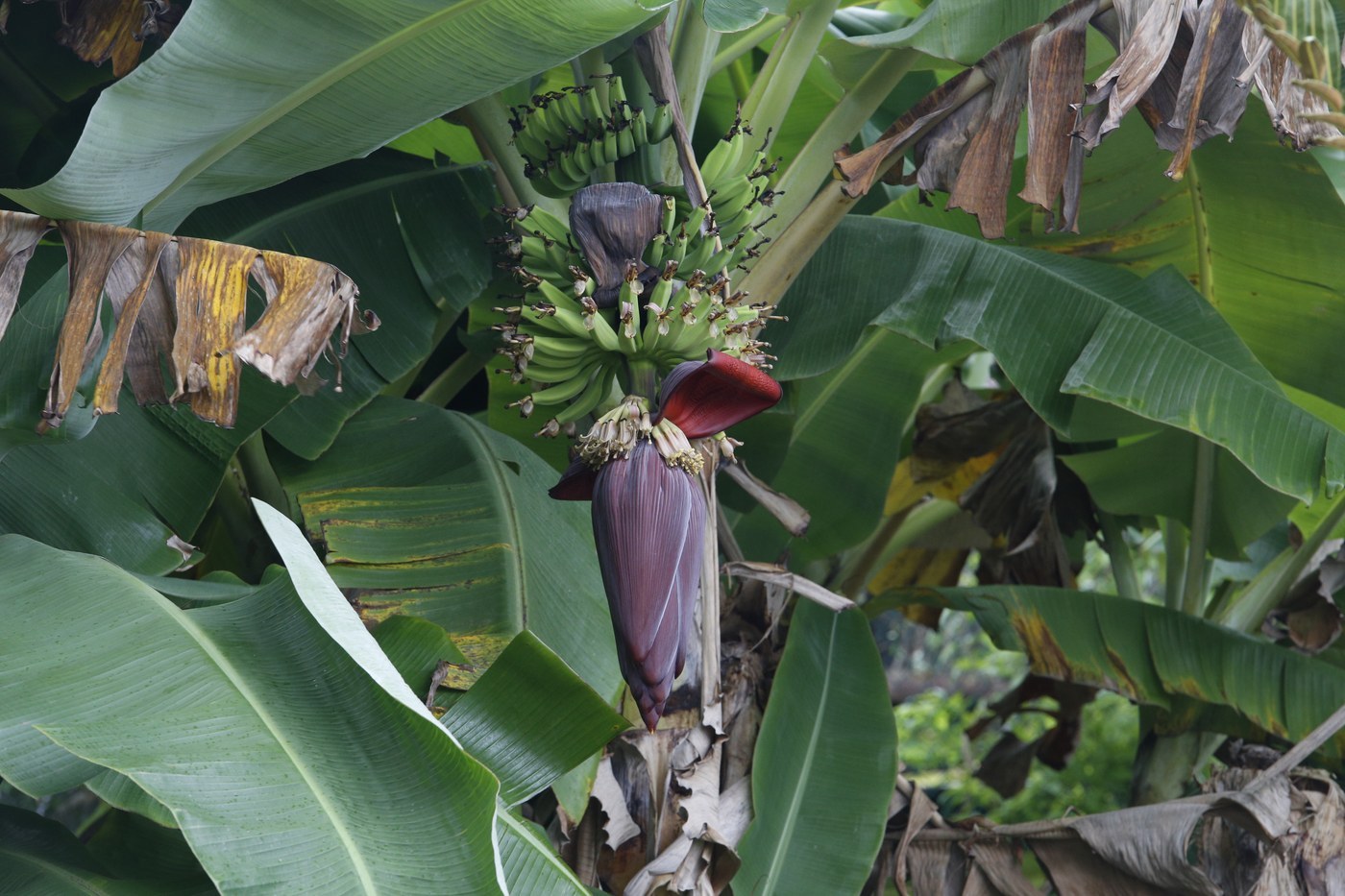
The Banana Plant (Musa acuminata) is a bold, fast-growing tropical herbaceous perennial grown for its enormous paddle-shaped leaves and dramatic architectural presence. Though large, it is straightforward to grow when given warmth, light, and plenty of water.
Light
Bananas are sun lovers and crave full sun to very bright light. Outdoors, give them the sunniest, most sheltered spot available; indoors, place them directly in front of your brightest window. Too little light produces small, pale leaves and weak, stretched growth.
Water
Keep the soil consistently moist at all times during active growth, as these fast-growing plants are thirsty and dislike drying out. Water deeply and frequently in warm weather, easing back in cool or dormant periods. Avoid waterlogging by ensuring the container or ground drains freely, as stagnant water rots the fleshy corm.
Soil & Potting
Use a rich, fertile, moisture-retentive but well-draining mix high in organic matter. A blend of quality potting soil with added compost and a little perlite suits container plants. Bananas are heavy feeders with vigorous roots, so a large, sturdy pot or deep planting hole enriched with organic matter gets them off to a strong start.
Humidity & Temperature
As a true tropical, the banana thrives in warmth and high humidity. Aim for daytime temperatures above 68 degrees Fahrenheit and protect the plant from cold, which halts growth and damages foliage. Indoors, boost humidity by grouping plants, misting, or using a humidifier; dry air causes brown, tattered leaf edges.
Feeding
Bananas are exceptionally hungry plants. Feed regularly through the growing season with a balanced or potassium-rich fertilizer, applying a diluted liquid feed every one to two weeks or a slow-release granular product monthly. Consistent feeding fuels the rapid production of large, healthy leaves.
Propagation
The easiest method is division of the offsets, or pups, that emerge around the base of an established plant. Once a pup has several leaves and its own roots, sever it cleanly from the parent corm with a sharp knife and pot it individually. Bananas can also be grown from seed, though this is slower and less common for ornamental types.
Repotting / Pruning
Repot container bananas each spring into a larger pot as they quickly outgrow their space and exhaust the soil. Pruning is minimal: simply remove old, damaged, or yellowing outer leaves at the base to keep the plant tidy. Thin excess pups if you want to concentrate the plant's energy into a single strong stem.
Common Problems & Pests
Under glass or indoors, watch for spider mites, aphids, mealybugs, and scale, especially when air is dry; treat with insecticidal soap and improve humidity. Brown leaf edges signal low humidity or underwatering, while yellowing lower leaves often indicate overwatering or hunger. Root rot follows soggy, poorly drained conditions.
Seasonal Care Tips
Spring and summer are the seasons of vigorous growth, so water and feed generously and repot as needed. In autumn, reduce watering and feeding as growth slows. In cold climates, move container plants to a bright, frost-free location for winter and keep them barely moist until warmth returns.
Frequently asked questions
Why are my banana plant's leaves tearing along the edges?
Naturally split leaves are normal and let wind pass through, but excessive tattering and brown crispy edges usually point to low humidity or dry soil. Increase humidity, keep the soil consistently moist, and shelter the plant from harsh wind.
How big does a banana plant get?
Musa acuminata can reach several feet to well over ten feet tall depending on variety and conditions. Dwarf cultivars stay more compact and are better suited to containers and indoor growing.
How do I propagate a banana plant?
Divide the pups that sprout around the base. Once a pup has its own roots and several leaves, cut it away from the parent corm with a sharp knife and pot it up on its own.
Can I grow a banana plant indoors?
Yes, in the brightest spot you have. Give it direct light, consistent moisture, warmth above 68 degrees Fahrenheit, and high humidity, and choose a dwarf variety to keep the size manageable.