
How to Care for Blazing Star
Grow blazing star (Liatris spicata) with these easy tips for tall purple flower spikes, sharp drainage, and a thriving sunny border.
Read the full Blazing Star encyclopedia entry →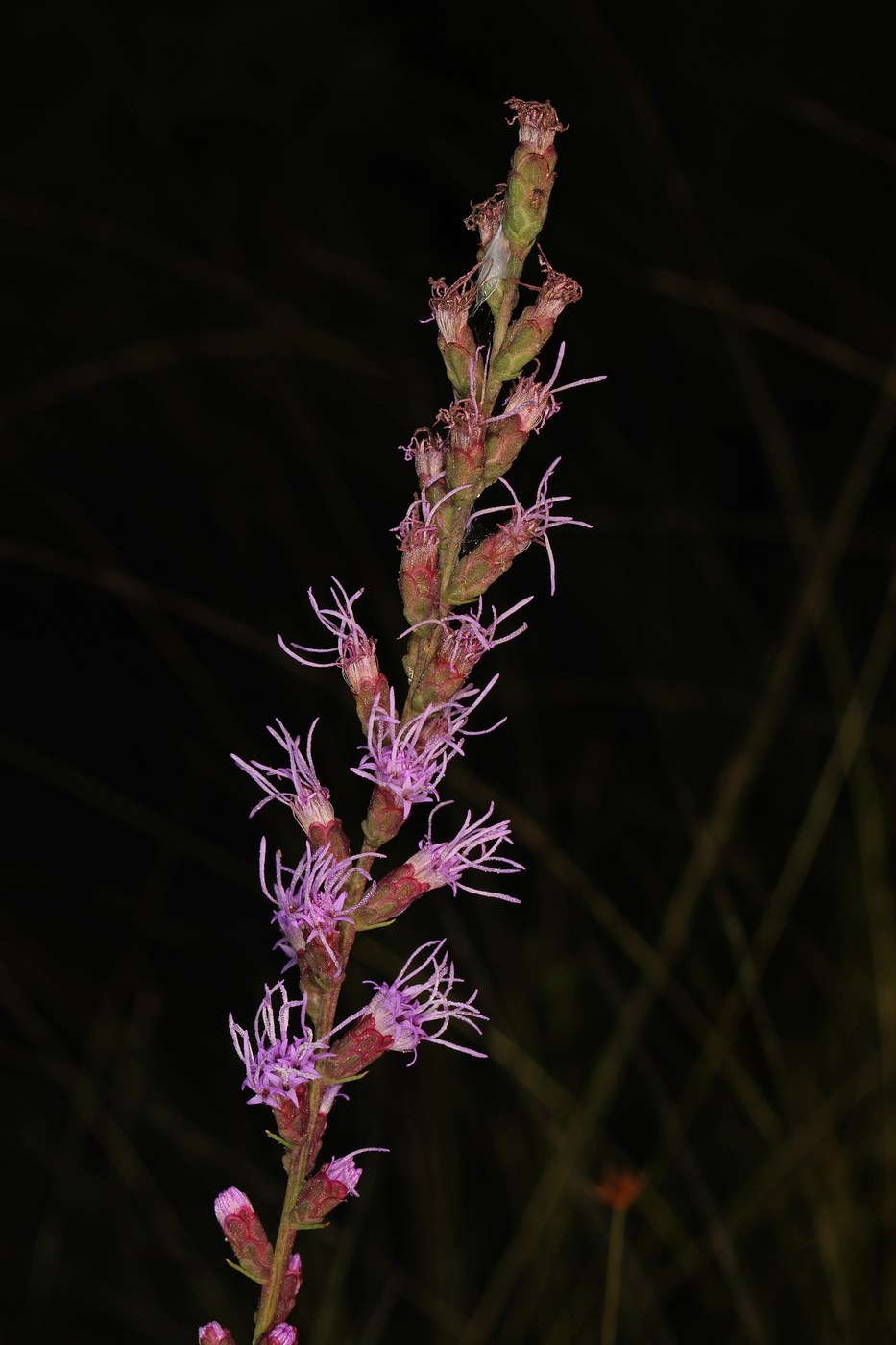
Blazing star is a hardy perennial that sends up striking vertical spikes of fuzzy purple flowers that open from the top down, a reverse of most spike bloomers. Growing from a corm, it is drought-tolerant, long-lived, and a superb structural plant for sunny, well-drained borders and meadow plantings.
Light
Blazing star demands full sun for strong, upright spikes and the heaviest flowering. At least six to eight hours of direct light keeps the stems sturdy and self-supporting. In too much shade the plants stretch, flower poorly, and often need staking, so give this prairie native the sunniest spot you have.
Water
Water is best kept low to moderate. Established plants are notably drought-tolerant thanks to their corm-based storage, and they resent wet feet. Provide even moisture during the first season while roots establish, then water only during prolonged dry spells. Sharp drainage is far more important than frequent irrigation, especially over winter when soggy soil can rot the corms.
Soil & Potting
Plant in average to lean, well-drained soil. Blazing star actually flowers best in soils that are not overly rich, and it tolerates sandy and rocky ground well. The critical factor is drainage; heavy clay that stays wet in winter is its main enemy. If your soil is heavy, amend generously with grit or plant on a raised mound.
Humidity & Temperature
This is a tough, cold-hardy perennial that tolerates a wide range of temperatures and average humidity. It goes fully dormant in winter and reliably returns in spring. No special humidity is needed; good air movement around the plants helps keep foliage healthy in muggy summers.
Feeding
Blazing star needs little feeding and can actually flop if overfed. A light topdressing of compost in spring is usually all it requires. If growing in very poor soil, a single application of a low-nitrogen or balanced slow-release fertilizer in early spring is plenty. Avoid rich, nitrogen-heavy feeding, which produces weak, leaning stems.
Propagation
Propagate by dividing the corms in early spring or fall every few years, replanting the firm offsets. It also grows readily from seed, though seed-grown plants take a couple of seasons to reach blooming size and benefit from a cold, moist stratification period before sowing. Divisions are the fastest route to more flowering plants.
Repotting / Pruning
Clumps can be lifted and divided every three to four years to maintain vigor and prevent overcrowding. Cut spent flower spikes back after blooming for tidiness, or leave the seed heads standing for winter interest and structure. Cut the whole plant to the ground once foliage dies back in late autumn.
Common Problems & Pests
Blazing star is largely trouble-free. The most common issue is corm rot caused by poorly drained, waterlogged soil, so drainage is the key preventive. Occasional leaf spot or rust may appear in humid conditions; improve spacing and air flow. Tall spikes in overly rich or shady sites may lean and benefit from support.
Seasonal Care Tips
Plant corms in spring or fall. Water through the first summer to establish, then let the plant rely on rainfall. Enjoy the top-down flowering in mid to late summer. Leave stems standing into autumn for structure, then cut back after dormancy. Divide crowded clumps every few years in early spring for continued strong bloom.
Frequently asked questions
Why do my blazing star stems flop over?
Flopping is usually caused by too much shade or overly rich, nitrogen-heavy soil. Grow in full sun and lean soil, and skip heavy feeding to keep stems sturdy and upright.
How often should I water blazing star?
Water regularly during the first season to establish roots, then only during long dry spells. Once established it is quite drought-tolerant and dislikes constantly wet soil.
When should I divide blazing star?
Divide the corms every three to four years in early spring or fall when clumps become crowded. Replant the firm offsets in a sunny, well-drained spot.
Why isn't my blazing star flowering well?
Poor flowering almost always traces to insufficient light. Move plants to full sun, avoid overly fertile soil, and be patient with young seed-grown plants that need a season or two to mature.