
How to Care for Bloodgood Japanese Maple
Grow the classic deep-red Bloodgood Japanese Maple with dappled light, consistent moisture, and shelter from harsh wind.
Read the full Bloodgood Japanese Maple encyclopedia entry →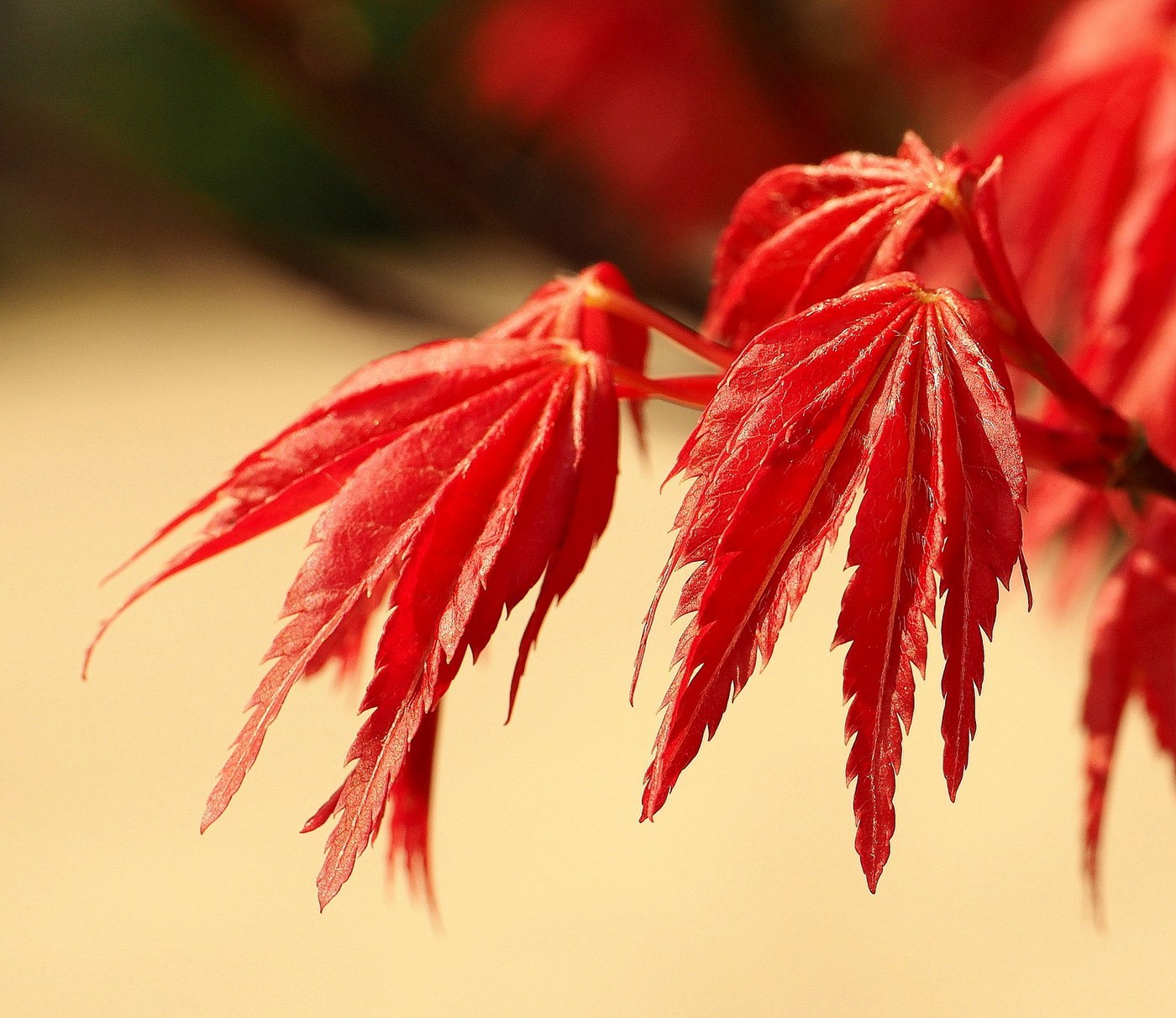
Bloodgood Japanese Maple (Acer palmatum 'Bloodgood') is a beloved deciduous tree prized for its deeply lobed, burgundy-red foliage that deepens to crimson in fall. Graceful and moderately easy to grow, it rewards a thoughtful site with decades of elegant structure and color.
Light
Bloodgood tolerates part shade to full sun, and light exposure strongly affects its color. In cooler climates it holds its red best in full sun, while in hot regions it needs afternoon shade to prevent leaf scorch. Dappled light or morning sun with afternoon protection is the ideal compromise, keeping foliage vivid without burning the leaf edges.
Water
Provide consistent moisture, roughly weekly, in well-drained soil. Japanese maples have fine, fibrous roots that dislike both drought and standing water. Deep, regular watering during the growing season keeps the tree healthy, and a layer of mulch conserves moisture and moderates soil temperature. Reduce watering as the tree goes dormant in fall.
Soil & Potting
Plant in rich, well-drained soil that is slightly acidic, ideally around pH 5.5 to 6.5. Amend heavy or compacted ground with organic matter to improve drainage, since soggy roots are quickly fatal. Container specimens need a high-quality, free-draining mix and a pot large enough to insulate the roots. Mulch the root zone, keeping mulch a few inches away from the trunk.
Humidity & Temperature
Bloodgood is cold-hardy and handles a wide range of temperatures, but it prefers a sheltered spot. Protect it from strong, drying winds and from harsh late-afternoon summer sun, both of which cause leaf scorch and crispy margins. Late spring frosts can nip tender new growth, so a protected microclimate is ideal.
Feeding
Feed sparingly. A single application of a balanced, slow-release fertilizer in early spring is enough; Japanese maples are light feeders and excess nitrogen produces weak, leggy growth and washed-out color. Never fertilize in late summer or fall, as this pushes tender growth that won't harden before winter. Container trees benefit from a gentle spring feeding.
Propagation
'Bloodgood' is a named cultivar, so it is propagated by grafting onto Acer palmatum seedling rootstock to preserve its exact color and form. Home growers can attempt softwood cuttings under mist, though success is low. Seeds from the tree will not come true to the parent, producing variable seedlings rather than reliable Bloodgood clones.
Repotting / Pruning
Prune only lightly, in late fall or winter when the tree is dormant, to remove dead, crossing, or crowded branches and to reveal the elegant layered structure. Avoid heavy pruning, which stresses the tree and spoils its natural shape. Repot container specimens every two to three years in late winter, refreshing the soil and lightly trimming roots to keep the tree in scale with its pot.
Common Problems & Pests
Leaf scorch from sun, wind, or dry soil is the most common complaint, showing as browned, crisp leaf margins. Aphids and scale may appear and are managed with horticultural oil or insecticidal soap. The most serious threats are fungal: verticillium wilt and root rot, both worsened by poor drainage, so ensure the soil never stays waterlogged. Prune out any dieback promptly and clean tools between cuts.
Seasonal Care Tips
In spring, watch for frost on new growth, feed once, and refresh mulch. Through summer, water deeply and consistently and shield the tree from scorching afternoon sun. In autumn, enjoy the fiery color and taper off watering. In winter, prune while dormant and protect young or container trees from hard freezes by insulating the roots or moving pots to a sheltered spot.
Frequently asked questions
Why are the leaf edges on my Bloodgood turning brown and crispy?
That is leaf scorch, usually from too much hot afternoon sun, drying wind, or dry soil. Provide afternoon shade, shelter from wind, mulch the roots, and keep moisture consistent.
Will Bloodgood keep its red color in full sun?
In cooler climates, yes, full sun brings out the deepest red. In hot regions the leaves can scorch, so give afternoon shade even though it may soften the color slightly.
When should I prune my Japanese maple?
Prune lightly during dormancy in late fall or winter. Remove only dead, crossing, or crowded branches to preserve the tree's naturally graceful layered form.
Can I grow Bloodgood in a container?
Yes. Use a large, well-draining pot and quality mix, keep moisture consistent, feed lightly in spring, and protect the roots from hard winter freezes.