
How to Care for Blue Flag Iris
Grow Iris versicolor, blue flag iris, with our guide: wet soil, sun, dividing rhizomes, and using this native beauty in rain gardens and pond edges.
Read the full Blue Flag Iris encyclopedia entry →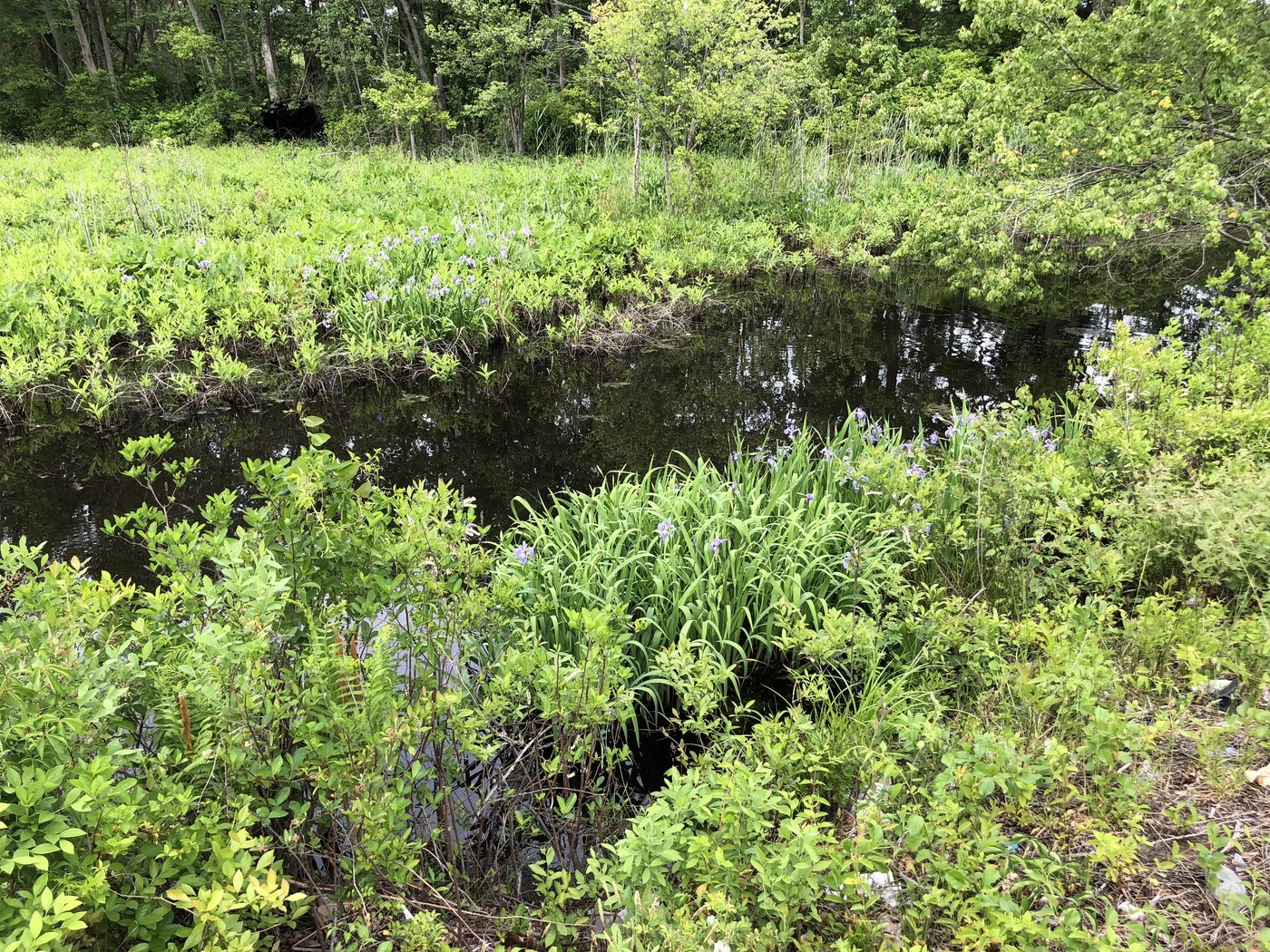
Blue flag iris (Iris versicolor) is a graceful North American native perennial that thrives in wet ground and shallow water, producing showy violet-blue flowers with intricate veining in late spring and early summer. It is an easy, dependable choice for pond margins, rain gardens, and boggy borders.
Light
Grow blue flag iris in full sun to partial shade. Full sun yields the strongest stems and heaviest flowering, while a bit of afternoon shade is tolerated in hotter regions. Deep shade reduces bloom and weakens the clump, so aim for at least a half day of direct sun.
Water
This is a moisture-loving iris that wants consistently wet soil. It grows happily in saturated ground, at pond edges, and even in a few inches of standing water over the crown. Never let it dry out for long. In a garden bed, keep the soil reliably moist, especially during the growing and blooming season.
Soil & Potting
Blue flag iris prefers rich, moist to wet soil high in organic matter, such as the mucky loams of natural marsh edges. It performs beautifully in heavy, water-retentive soils that would rot drier irises. For container or pond culture, use a heavy loam-based aquatic mix and set the pot at or just below the water surface.
Humidity & Temperature
Hardy across roughly USDA zones 3 through 9, it withstands cold winters and humid summers with ease. It is a wetland plant and revels in the humid air around water features. No special protection is needed in its hardiness range.
Feeding
Feeding needs are modest. Work compost into the planting area, and if grown in a submerged pot, use aquatic plant fertilizer tablets pushed into the soil in spring. Avoid loose granular fertilizer near water, which can leach and encourage algae.
Propagation
Propagate by dividing the rhizomes in late summer after flowering, or grow from seed. To divide, lift a clump, cut the rhizomes into sections each with roots and a fan of leaves, and replant promptly at the same depth in wet soil. Seed benefits from a period of cold, moist stratification.
Repotting / Pruning
Divide crowded clumps every 3 to 4 years to maintain vigor and flowering. Trim away dead or tattered leaves and remove spent flower stalks to keep plants tidy, though you may leave the decorative seed capsules to develop. Cut the foliage back after it dies down in fall.
Common Problems & Pests
Blue flag iris is largely trouble-free. Iris borer can tunnel into rhizomes, so remove old debris where moths lay eggs and destroy affected rhizomes. Leaf spot may appear in crowded, damp conditions; improve spacing and clear fallen leaves. Rhizome rot is rare here because the plant naturally tolerates wet feet.
Seasonal Care Tips
In spring, keep soil saturated as new fans emerge and feed lightly. Enjoy blooms in late spring to early summer, then divide if needed once flowering ends. In fall, cut back dead foliage and clear debris to reduce borer and disease pressure over winter.
Frequently asked questions
Can blue flag iris grow in standing water?
Yes. Iris versicolor is a true wetland plant that thrives at pond edges and even in a few inches of standing water over its crown. It also does well in consistently moist garden soil.
Why isn't my blue flag iris blooming?
The usual causes are too much shade, soil that dries out, or an overcrowded clump. Give it full sun to part shade, keep the soil wet, and divide congested rhizomes every few years to restore flowering.
When should I divide blue flag iris?
Divide in late summer after flowering finishes. Lift the clump, cut the rhizomes into sections each with roots and a leaf fan, and replant immediately in wet soil at the original depth.
How do I use blue flag iris in a rain garden?
Plant it in the lowest, wettest zone of the rain garden where water collects. It tolerates periodic flooding and moist soil, making it ideal for the bottom of rain gardens and along swales.