
How to Care for Blue Flame Cactus
Care tips for Myrtillocactus geometrizans 'Blue Flame', a fast, easy columnar cactus with striking powdery blue-green stems.
Read the full Blue Flame Cactus encyclopedia entry →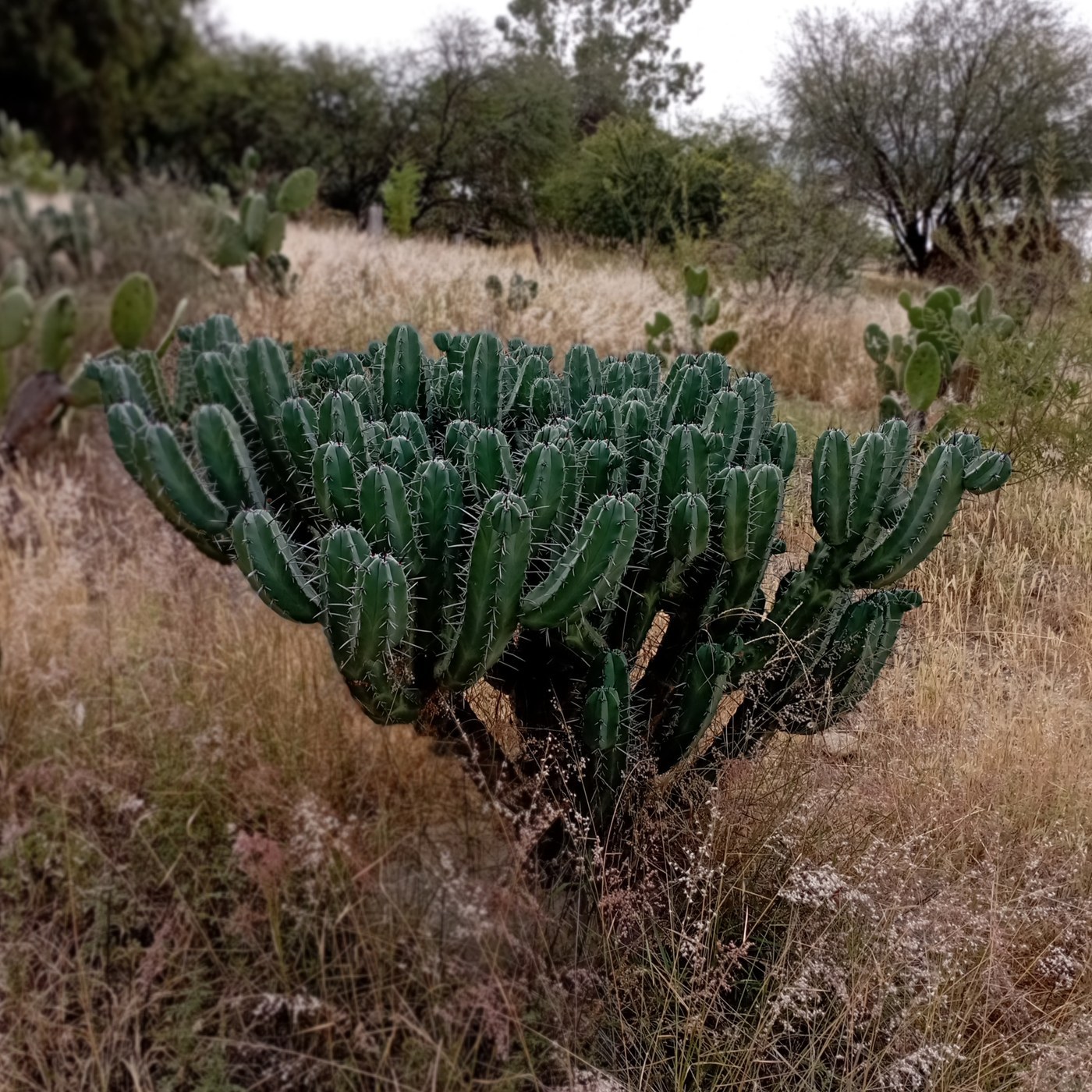
The Blue Flame Cactus (Myrtillocactus geometrizans 'Blue Flame') is a fast-growing, freely branching columnar cactus admired for its powdery blue-green stems that cluster upward like tongues of flame. It is one of the easier large cacti to grow, asking mainly for sun and sharp drainage.
Light
Give this cactus the brightest position you can. Full sun to very bright light brings out the intense blue coloring and keeps growth compact and upright. Indoors, place it directly in front of a south- or west-facing window. If a plant has been kept in shade, reintroduce strong sun gradually over a couple of weeks to avoid sun stress on the tender skin.
Water
Water sparingly and always let the soil dry out completely between waterings. During the active growing season, a thorough soak when the mix is bone dry is ideal. Reduce watering sharply in the cooler, low-light months when the plant rests. The most common cause of failure is overwatering, so err on the dry side; the thick stems store ample moisture.
Soil & Potting
Use a fast-draining cactus and succulent mix, ideally amended with extra pumice, perlite, or coarse sand so water runs through freely. A container with drainage holes is essential. Terracotta pots help by wicking excess moisture away from the roots. Avoid dense, water-retentive potting soils that stay soggy.
Humidity & Temperature
This cactus loves warmth and enjoys the dry air of typical rooms. It thrives in hot conditions and tolerates cool nights, but it is frost-tender and should be protected from freezing temperatures. Bring outdoor plants inside before the first frost, and keep it away from cold drafts in winter.
Feeding
Feed lightly during the growing season with a diluted low-nitrogen cactus fertilizer, roughly once a month. Too much nitrogen causes soft, weak growth prone to problems. Withhold feeding entirely during the winter rest period.
Propagation
Propagation is easy from stem cuttings. Sever a branch with a clean knife, let the cut end callus over for several days to a week in a dry, shaded spot, then set it in dry cactus mix. Water only lightly until roots form. Spring and summer are the best times to take cuttings.
Repotting / Pruning
Repot every two to three years, or when the plant becomes top-heavy or outgrows its pot, moving up one pot size in spring. Handle with folded newspaper or thick gloves. Pruning is rarely needed, but you can remove branches to shape the plant or to harvest cuttings; let all cut surfaces dry before the plant is watered again.
Common Problems & Pests
Overwatering leading to soft, mushy, discolored stems and root rot is the main danger; keep the mix dry and drainage sharp. Watch for mealybugs in stem crevices and scale insects, and treat promptly. The powdery blue farina can rub off where handled, leaving green marks, so touch the stems as little as possible. Insufficient light causes pale, stretched growth.
Seasonal Care Tips
In spring and summer, water when fully dry, feed lightly, and give maximum sun to develop the best color. In autumn, taper off watering as growth slows. In winter, keep the plant cool, bright, and nearly dry, and protect it from any frost. This cool, dry rest also supports healthier growth the following season.
Frequently asked questions
Why is my Blue Flame Cactus losing its blue color?
The powdery blue coating (farina) rubs off easily where the stems are handled or bumped, revealing green underneath. Handle it as little as possible to preserve the color.
How often should I water it?
Only when the soil is completely dry, soaking thoroughly then letting it dry out again. Water much less in winter, as overwatering is the biggest risk.
Can it grow indoors?
Yes, in the brightest window you have, ideally south- or west-facing. It needs strong light to stay compact and keep its blue coloring.
How do I propagate cuttings?
Cut a branch cleanly, let the cut end callus for several days, then plant it in dry cactus mix and water sparingly until roots develop.