
How to Care for Blue Glow Agave
Blue Glow Agave is a striking, low-maintenance succulent with blue-green leaves edged in red, thriving in full sun.
Read the full Blue Glow Agave encyclopedia entry →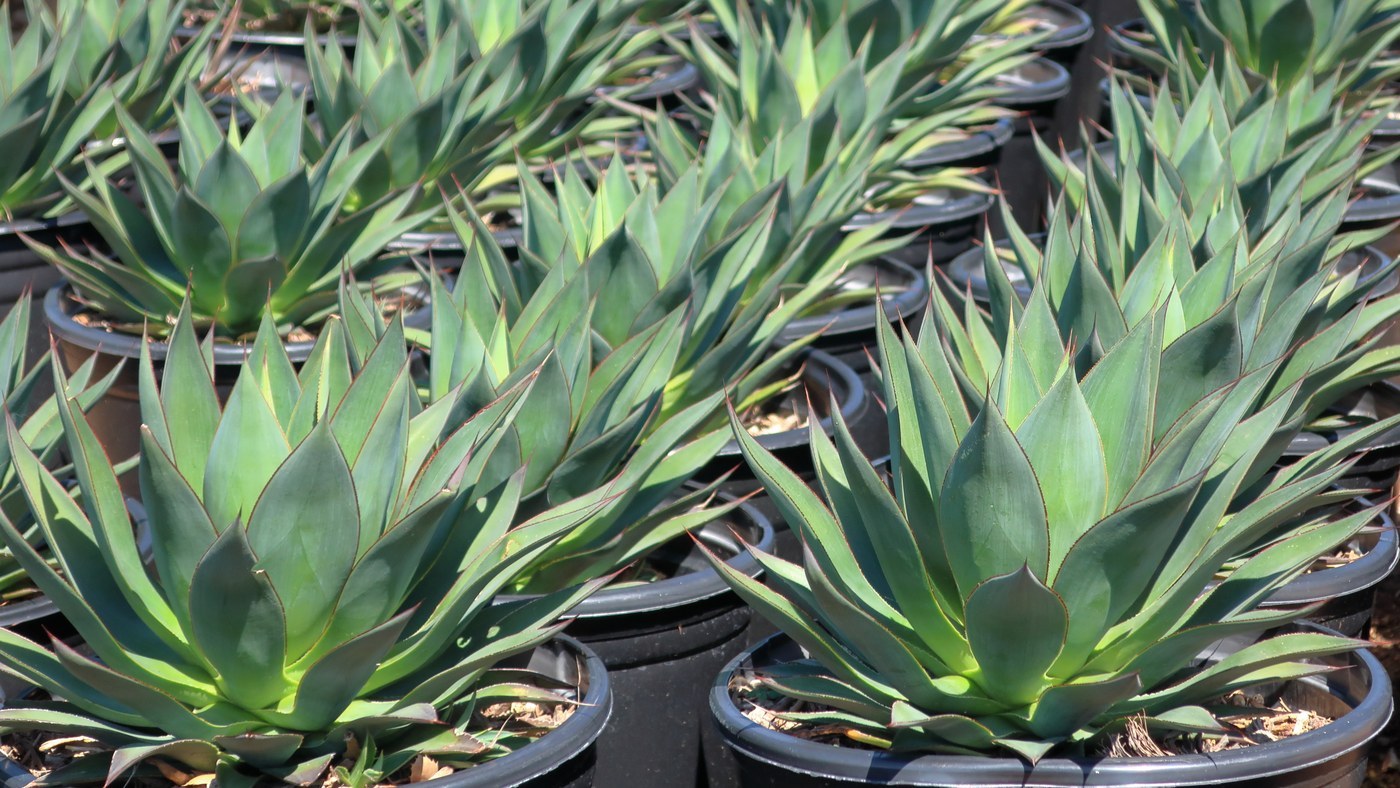
Blue Glow Agave (Agave 'Blue Glow') is a compact, sculptural succulent prized for its smooth blue-green leaves edged with a fine red and gold margin that glows when backlit. It is an easy, drought-tolerant plant that thrives in full sun and neglect-level watering.
Light
Grow Blue Glow Agave in full sun to bright light for the best color and tight, symmetrical form. Ample sun intensifies the red leaf margins. Indoors, place it in the sunniest window available; too little light causes loose, stretched, pale growth.
Water
Water sparingly, as this agave is highly drought tolerant. Soak the soil thoroughly, then let it dry out completely before watering again. Water more often in the heat of summer and very rarely in winter. Overwatering and soggy soil are the fastest way to cause rot.
Soil & Potting
Use a fast-draining, gritty cactus or succulent mix, ideally amended with extra pumice, coarse sand, or perlite. Sharp drainage is essential. In containers, always use a pot with drainage holes; unglazed terracotta helps the soil dry evenly.
Humidity & Temperature
Blue Glow Agave prefers warm, dry conditions and low humidity. It is tender to hard frost and performs best above about 25-30F, so protect it from freezing temperatures. In cold climates, grow it in a container that can be moved indoors or under cover for winter.
Feeding
This agave needs very little feeding. If desired, apply a diluted, low-nitrogen succulent fertilizer once or twice during the growing season. Avoid overfeeding, which produces soft, weak growth and diminishes the plant's tight, compact rosette.
Propagation
Unlike many agaves, Blue Glow is a hybrid that rarely produces offsets, so it is usually propagated commercially from tissue culture or seed rather than division. If offsets do appear, they can be separated and potted once rooted. Patience is key, as it is slow-growing.
Repotting / Pruning
Repot infrequently, only every few years when the rosette outgrows its container, using fresh gritty mix. Handle carefully because of the sharp terminal spine. Pruning is minimal; simply trim away old, dried outer leaves at the base to keep the rosette tidy.
Common Problems & Pests
Root and crown rot from overwatering or poor drainage is the main threat, so keep conditions lean and dry. Agave snout weevil can attack the core, and scale or mealybugs occasionally appear; treat pests promptly. Mushy, discolored leaves usually signal excess moisture.
Seasonal Care Tips
Water and, if desired, feed lightly during the warm growing season, then keep the plant nearly dry through winter dormancy. Protect from frost by moving containers indoors or covering plants in cold snaps. Provide excellent drainage year-round and enjoy its slow, sculptural growth.
Frequently asked questions
How often should I water Blue Glow Agave?
Water sparingly. Soak thoroughly, then let the soil dry out completely before watering again, more often in summer heat and rarely in winter. Overwatering is the main cause of rot.
Does Blue Glow Agave produce pups?
Rarely. As a hybrid, it seldom offsets, which is why it is usually propagated from tissue culture or seed. If pups do appear, you can separate and pot them once rooted.
Can Blue Glow Agave survive frost?
It is frost-tender and best kept above roughly 25-30F. In cold climates, grow it in a container you can move indoors or cover during freezing weather.
What soil is best for Blue Glow Agave?
A fast-draining, gritty cactus or succulent mix amended with pumice, coarse sand, or perlite. Sharp drainage and a pot with drainage holes are essential.