
How to Care for Blue Star Fern
Blue Star Fern is a low-fuss epiphytic fern with blue-green fronds that thrives in bright indirect light, airy soil, and even moisture.
Read the full Blue Star Fern encyclopedia entry →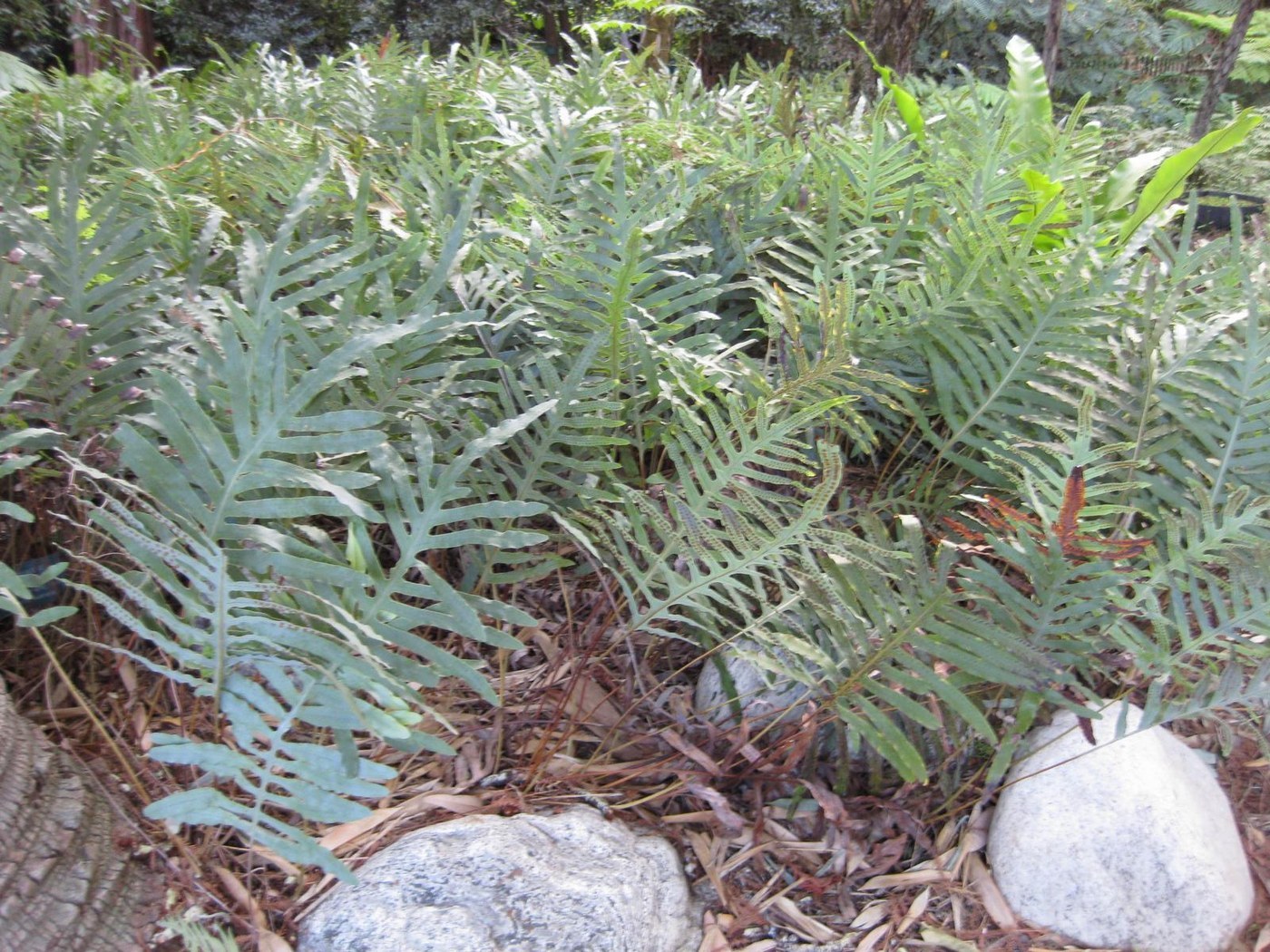
Blue Star Fern (Phlebodium aureum) is a handsome epiphytic fern with distinctive lobed, blue-green fronds and creeping, golden, fuzzy rhizomes. As a tree-dwelling fern in the wild, it is more forgiving than many ferns and adapts well to home conditions with the right airy medium and steady moisture.
Light
Grow it in medium to bright indirect light. It tolerates lower light better than most ferns but grows fullest with plenty of bright, filtered light near an east window or a few feet back from a brighter exposure. Keep it out of harsh direct sun, which bleaches and crisps the fronds.
Water
Keep the medium evenly moist but never soggy; the water rating here is even moisture with good drainage. Water when the top inch begins to dry, letting excess drain freely. Because the rhizomes creep on the surface and rot easily if buried and wet, avoid overwatering and never leave the pot standing in water. Rainwater, distilled, or filtered water suits it best, as it can be sensitive to mineral buildup.
Soil & Potting
Use a light, chunky, well-aerated mix that mimics an epiphyte's perch, for example an orchid-style blend of bark, perlite, coco coir, and sphagnum, or a peat-based mix loosened with plenty of bark and perlite. Plant so the golden rhizomes rest on or just above the surface rather than buried. Choose a pot with drainage holes.
Humidity & Temperature
Blue Star Fern enjoys moderate to high humidity but is notably more tolerant of average room humidity than delicate ferns. Aim for 50 percent or more if you can; group it with other plants or use a humidifier in dry rooms. Keep it in warm, stable temperatures and away from cold drafts, heating vents, and sudden swings.
Feeding
Feed lightly with a balanced liquid fertilizer diluted to half strength or less, roughly monthly during the growing season. Ferns are sensitive to salt buildup, so err toward weak, infrequent feeding and flush the medium periodically. Do not fertilize in winter.
Propagation
Propagate by rhizome division. Cut a healthy section of the creeping rhizome that bears at least one or two fronds, and lay it on top of moist, airy medium, pinning it down if needed until new roots anchor. Keep humidity high and the medium lightly moist while it establishes.
Repotting / Pruning
Repot every couple of years or when the rhizomes have crept over the pot edge, moving up one size and refreshing the airy mix in spring. Keep rhizomes on the surface. Pruning is minimal, just trim off old, browned, or damaged fronds at the base to keep the plant tidy and encourage fresh growth.
Common Problems & Pests
Browning or crispy frond edges usually signal low humidity, underwatering, or mineral-heavy tap water. Yellowing and mushy rhizomes point to overwatering or buried rhizomes rotting. Watch for scale, mealybugs, and fungus gnats in overly wet soil; improve airflow and let the surface dry slightly between waterings to deter them.
Seasonal Care Tips
During spring and summer growth, keep moisture and humidity steady and feed lightly. In winter, ease back on water as growth slows, stop feeding, and keep the plant away from cold windows and hot dry air from heaters. Rotate occasionally for even, symmetrical frond development.
Frequently asked questions
Why are my Blue Star Fern's fronds turning brown and crispy?
Crispy edges usually mean the air is too dry, the medium dried out too much, or tap-water minerals are building up. Raise humidity, keep the mix evenly moist, and switch to filtered, distilled, or rainwater.
Should I bury the fuzzy rhizomes?
No. The golden, furry rhizomes should rest on or just above the surface. Burying them in wet medium causes rot. Plant in a chunky, airy mix and let the rhizomes creep across the top.
Can Blue Star Fern tolerate low light?
It handles lower light better than most ferns, but it looks fullest and grows best in bright indirect light. Avoid direct sun, which scorches the blue-green fronds.
What soil is best for Blue Star Fern?
A light, well-aerated epiphytic mix such as orchid bark blended with perlite, coco coir, and sphagnum. It needs excellent drainage and air around the roots, not a dense, water-holding potting soil.