
How to Care for Bok Choy
Grow lush Bok Choy in the garden or containers with this cool-season guide to light, steady moisture, and preventing bolting.
Read the full Bok Choy encyclopedia entry →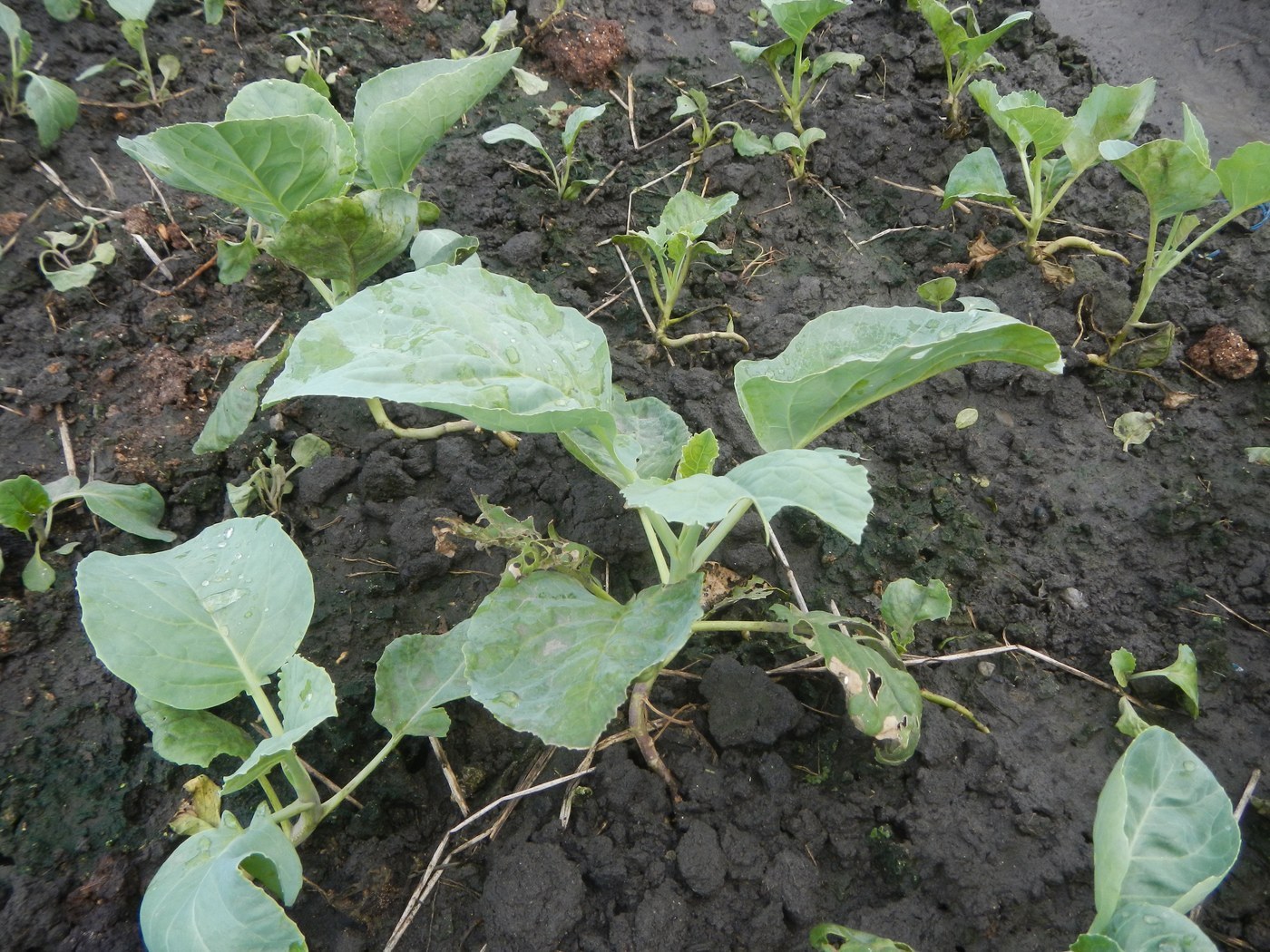
Bok Choy (Brassica rapa subsp. chinensis) is a fast-growing leafy plant in the cabbage family, forming an upright rosette of glossy leaves on crisp pale or green stalks. It is a cool-season grower that matures quickly, making it a satisfying plant for garden beds and containers alike.
Light
Grow Bok Choy in full sun to part shade. In cool spring and autumn weather full sun gives the strongest, most compact rosettes. As temperatures climb, light afternoon shade helps keep plants cool and slows the tendency to bolt, so a partly shaded spot is an advantage in warmer periods.
Water
Provide consistent, even moisture. This is a shallow-rooted, fast plant that resents drying out; irregular watering causes stress, stalling, and premature flowering. Keep the soil evenly damp, watering deeply and regularly, and mulch to hold moisture and keep roots cool. Avoid waterlogging, which can rot the crown.
Soil & Potting
It loves rich, moisture-retentive, well-drained soil high in organic matter. Work in plenty of compost before planting and aim for a neutral to slightly acidic pH. Because it is shallow-rooted it grows well in containers and window boxes at least six to eight inches deep filled with a fertile potting mix.
Humidity & Temperature
Bok Choy thrives in cool conditions, roughly 55 to 70 degrees Fahrenheit, and tolerates light frost, which does not harm the leaves. Sustained heat or a cold shock after warm weather triggers bolting, where the plant sends up a flower stalk and stops forming leaves. Time plantings for the cool ends of the season.
Feeding
As a leafy grower it appreciates steady nitrogen. Enrich the soil with compost, then side-dress or apply a balanced or nitrogen-leaning liquid feed a couple of times during growth to keep leaves lush and fast. Do not overfeed, and keep moisture even so nutrients stay available.
Propagation
Grow from seed. Sow directly into prepared soil or start in cells for transplanting, planting shallowly. Seeds germinate quickly in cool soil. Thin or space seedlings a few inches apart for baby types and wider for full-size heads. Successive small sowings give a steady supply.
Repotting / Pruning
Bok Choy is a quick, single-cycle plant rather than one that is repotted long term. Keep the bed weeded so it does not compete for water and nutrients. In containers, thin crowded seedlings so remaining plants have room to form full rosettes without stretching.
Common Problems & Pests
Bolting from heat or stress is the most common issue; steady moisture, cool timing, and light shade prevent it. Flea beetles pepper the leaves with tiny holes, cabbage worms and aphids target the foliage, and slugs and snails chew seedlings; floating row covers are the simplest defense. Clubroot and downy mildew can affect brassicas, so rotate planting spots and ensure good airflow.
Seasonal Care Tips
Plant in early spring and again in late summer for autumn growth, avoiding the heat of midsummer. Keep water consistent and watch for the first signs of bolting in warm spells. In mild climates it grows through winter; elsewhere protect late plantings with row covers as frosts deepen.
Frequently asked questions
Why is my Bok Choy bolting so quickly?
Bolting is triggered by heat, long days, or a cold shock after warm weather. Grow it in the cool parts of spring and autumn, keep moisture steady, and give light afternoon shade in warm spells.
Can I grow Bok Choy in containers?
Yes. It is shallow-rooted and fast, so a pot or window box at least six to eight inches deep with rich, moisture-retentive mix works very well.
How much sun does Bok Choy need?
Full sun gives the most compact rosettes in cool weather, but part shade is helpful when temperatures rise because it reduces heat stress and slows bolting.
Why are there tiny holes in my Bok Choy leaves?
Small shot-hole damage is usually from flea beetles. A floating row cover placed over young plants is the easiest way to keep them and other brassica pests off.