
How to Care for Box Honeysuckle
Box Honeysuckle is a tough, small-leaved evergreen shrub for hedging and topiary that clips neatly and grows almost anywhere.
Read the full Box Honeysuckle encyclopedia entry →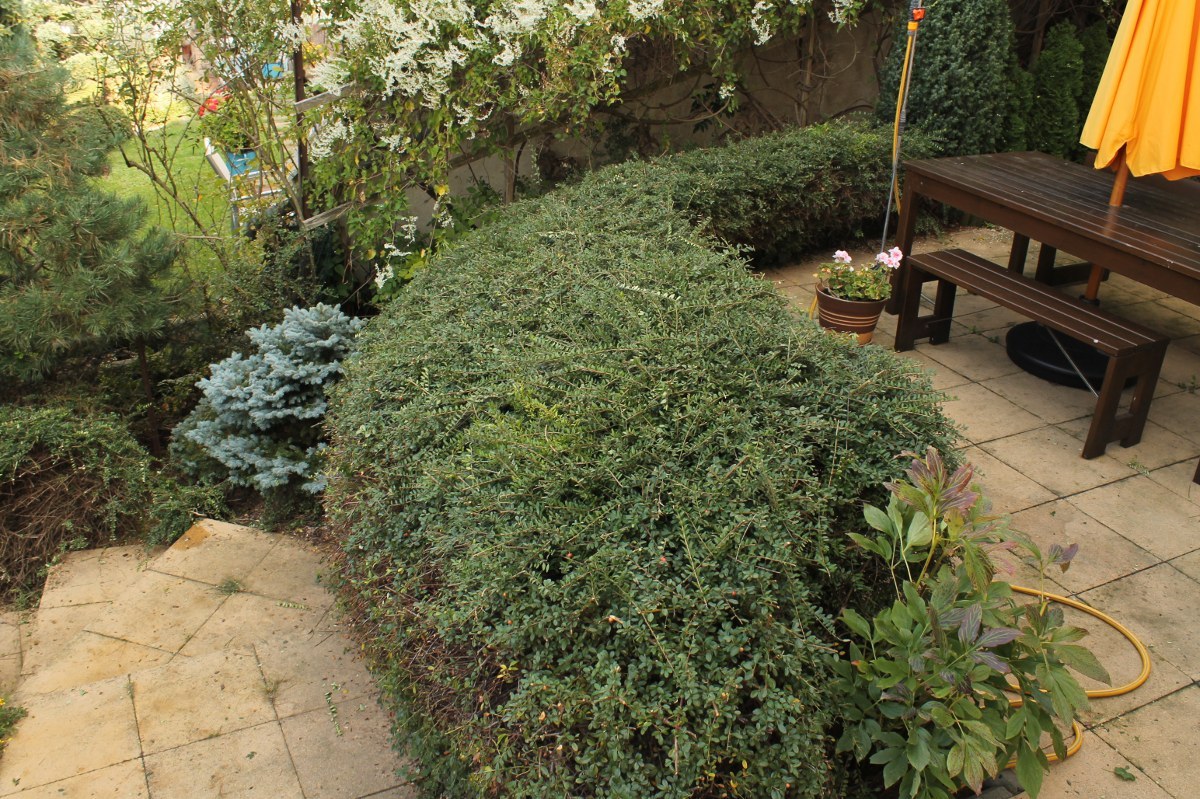
Box Honeysuckle (Lonicera nitida) is a dense, small-leaved evergreen shrub often grown as a low hedge, edging, or topiary in place of traditional box. It is fast-growing, adaptable, and easy to shape, making it a reliable structural plant in the garden.
Light
Box Honeysuckle grows well in full sun to part shade. It is at its densest and most compact in full sun, where the tiny glossy leaves knit together tightly. In partial shade it stays perfectly healthy but grows a little more open and lax. Golden-leaved forms hold their color best with several hours of direct light each day; too much deep shade dulls them to green.
Water
Give moderate, regular water while the shrub is establishing in its first year or two, keeping the root zone evenly moist but never waterlogged. Once established, it is quite drought-tolerant and needs supplemental watering mainly during prolonged dry spells or for plants in containers, which dry out faster. Deep, occasional soaks are better than frequent light sprinklings.
Soil & Potting
This shrub is unfussy about soil and tolerates a wide range of types, from sandy to clay, as long as drainage is reasonable. It performs best in fertile, well-drained soil enriched with organic matter. For container-grown plants, use a good general-purpose potting mix and ensure the pot has drainage holes. A neutral to slightly acidic or alkaline soil is all fine.
Humidity & Temperature
Box Honeysuckle is hardy and tolerates a broad range of temperatures, shrugging off cold in most temperate gardens. It handles ordinary outdoor humidity without concern. In very severe winters foliage may brown at the edges or thin out, but the shrub typically flushes back readily from the base and stems in spring. It also tolerates coastal wind and urban conditions well.
Feeding
Feeding needs are modest. An annual application of balanced granular fertilizer or a mulch of compost in spring supports the vigorous growth needed for dense hedging. Plants clipped frequently as topiary or formal hedges benefit from a second light feed in early summer to fuel regrowth. Avoid heavy late-season feeding that pushes soft growth into autumn.
Propagation
This is one of the easiest shrubs to propagate. Semi-ripe cuttings taken in summer or hardwood cuttings taken in autumn and winter root readily, often simply pushed into a sheltered nursery bed or a pot of gritty compost. Because it roots so willingly, gardeners can quickly raise the many plants needed for a hedge at little cost.
Repotting / Pruning
Pruning is where this plant shines. It tolerates hard, repeated clipping and quickly regrows, which is why it is favored for formal hedges and topiary. Trim two or three times through the growing season to keep shapes crisp. It can also be cut back hard to renovate an overgrown or bare plant. For container specimens, repot or top-dress every couple of years and refresh the potting mix as needed.
Common Problems & Pests
Box Honeysuckle is generally trouble-free. Its main weakness is a tendency to flop or open up in the center if left unclipped or grown in too much shade; regular trimming and adequate light keep it dense. Occasional aphids may cluster on soft new growth and can be dislodged with a jet of water. Overly wet, poorly drained soil can cause root problems, so ensure drainage. Winter cold may scorch foliage, which usually recovers with spring growth.
Seasonal Care Tips
In spring, feed and mulch, and give the first shaping trim once new growth appears. Through summer, clip as needed to maintain form and water container plants in dry weather. Take cuttings in summer and autumn. In autumn, do a final light trim and hold off heavy feeding. In winter, the evergreen structure carries the garden; simply tidy any weather-damaged growth and take hardwood cuttings.
Frequently asked questions
How often should I trim Box Honeysuckle hedges?
Clip two or three times during the growing season to keep hedges and topiary dense and crisp. It tolerates frequent, hard trimming and regrows quickly.
Why is my Box Honeysuckle flopping open in the middle?
It grows lax in too much shade or when left unclipped. Move it to brighter light where possible and trim regularly to encourage dense, compact growth.
Can I grow Box Honeysuckle as a low hedge instead of box?
Yes. Its small evergreen leaves and tolerance of clipping make it a popular fast-growing alternative to traditional box for low formal hedges and edging.
Is Box Honeysuckle easy to propagate?
Very. Semi-ripe cuttings in summer and hardwood cuttings in autumn and winter root readily, making it cheap to raise many plants for a hedge.