
How to Care for Browallia
Grow Browallia (Browallia speciosa), an easy shade-loving annual with star-shaped blue, violet, or white flowers ideal for pots and baskets.
Read the full Browallia encyclopedia entry →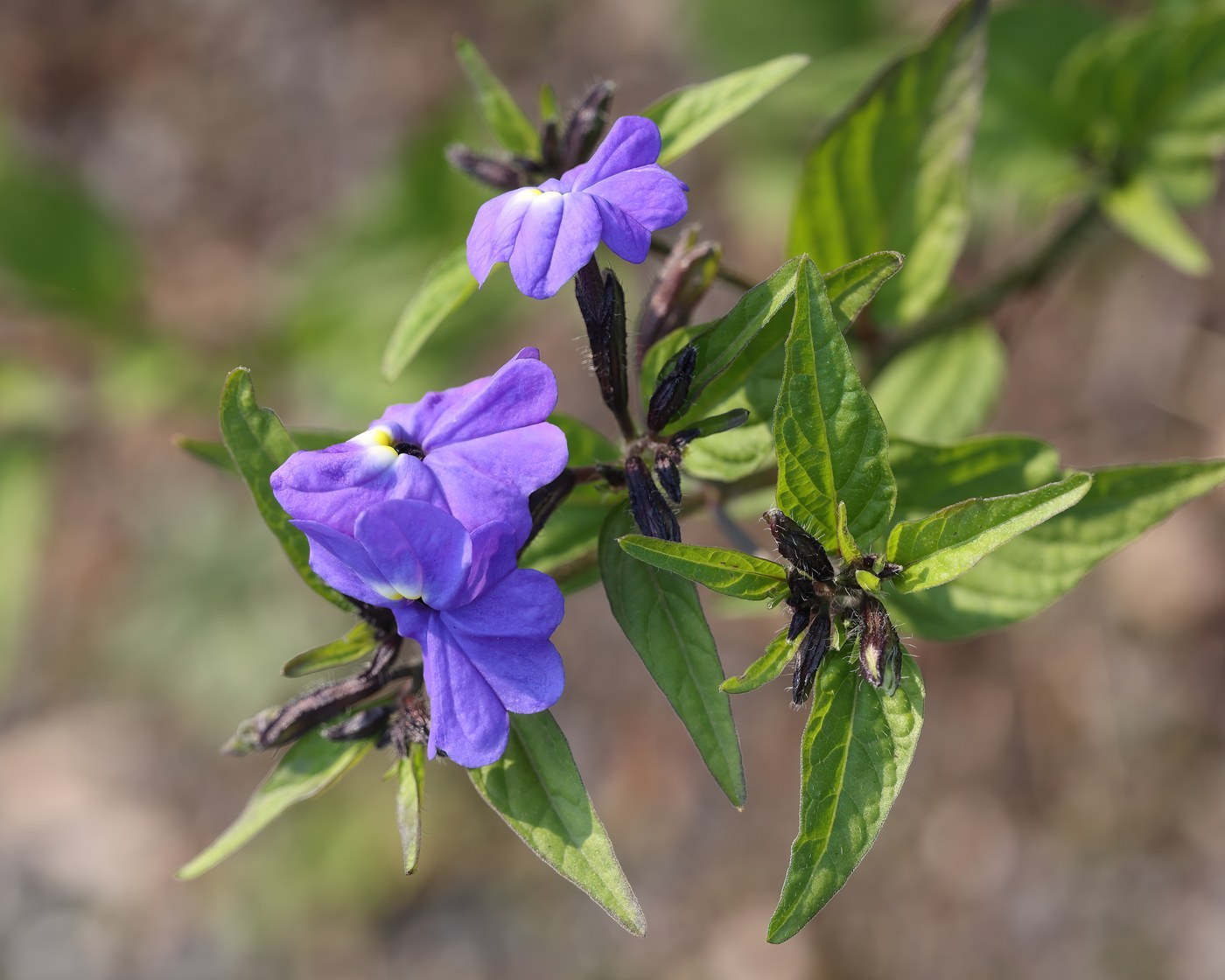
Browallia (Browallia speciosa), often called amethyst flower or bush violet, is a soft-stemmed tender plant grown for its abundant star-shaped flowers in shades of blue, violet, and white. It shines in shady containers, hanging baskets, and beds where its cool-toned blooms brighten low-light corners all season.
Light
Browallia prefers part shade to bright indirect light and is one of the better flowering plants for shadier spots. It tolerates morning sun but should be protected from harsh midday and afternoon sun, which fades the blooms and stresses the foliage. Too much deep shade reduces flowering, so aim for bright, filtered light.
Water
Keep the soil evenly moist with regular watering. Browallia does not like to dry out fully, and wilting from drought stress can set back flowering. Water when the surface begins to dry, keeping the root zone consistently damp but not waterlogged. Container plants, especially in baskets, may need watering often in warm weather.
Soil & Potting
Grow in a rich, well-draining, moisture-retentive potting mix with plenty of organic matter. Good drainage prevents rot while the organic content holds the steady moisture Browallia craves. In beds, work compost into the planting area. Containers and hanging baskets suit its trailing, mounding habit especially well.
Humidity & Temperature
Browallia is a warm-weather, frost-tender plant that enjoys average to warm temperatures and moderate humidity. It performs through the frost-free season and is usually grown as an annual, or overwintered indoors as a houseplant in bright, cool conditions. Protect it from cold snaps, as even a light frost will damage it.
Feeding
Because it flowers heavily, Browallia benefits from regular feeding. Apply a balanced or bloom-oriented liquid fertilizer at half to full strength every two to four weeks through the growing season. Container plants especially appreciate steady feeding to sustain continuous flowering. Reduce or stop feeding if overwintering indoors.
Propagation
Propagate from seed or stem cuttings. Seed is commonly started indoors several weeks before the last frost; press it onto the surface as it needs light to germinate, and keep it warm and moist. Softwood stem cuttings root readily in a moist medium and are a good way to carry favorite plants over the winter.
Repotting / Pruning
Pinch young plants back early to encourage bushy, well-branched growth and more flowers. Light trimming or shearing during the season keeps the plant compact and can rejuvenate a leggy, tired specimen for a fresh flush of bloom. Repot overwintering plants into fresh mix in spring. Deadheading is generally not required, but tidying spent blooms keeps it looking neat.
Common Problems & Pests
Watch for whiteflies, aphids, and spider mites, which are the most common pests, particularly on indoor or overwintered plants; rinse or treat as needed. Overwatering and poor drainage can lead to root rot, while too much sun causes bleached, scorched flowers. Leggy growth signals insufficient light or a need for pinching. Good airflow helps prevent fungal issues in humid, crowded plantings.
Seasonal Care Tips
In spring, start seeds indoors or set out young plants after frost, and pinch to encourage branching. Through summer, keep soil evenly moist, feed regularly, and shear lightly if plants get leggy to sustain bloom. In autumn, take cuttings or bring plants indoors before frost. In winter, keep overwintering plants in bright, cool conditions, water sparingly, and hold off on feeding.
Frequently asked questions
Is Browallia a good plant for shade?
Yes. It is one of the better flowering plants for part shade and bright indirect light, producing star-shaped blooms where many sun-lovers would struggle.
Can I keep Browallia over the winter?
You can. Take stem cuttings in autumn or bring the whole plant indoors before frost, keeping it in bright, cool conditions with sparing water and no feeding until spring.
Why is my Browallia leggy with few flowers?
Too little light or a lack of pinching. Give it brighter indirect light and pinch or shear the stems to encourage bushy branching and more blooms.
How do I keep Browallia blooming all season?
Keep the soil evenly moist, feed with a balanced or bloom fertilizer every two to four weeks, and trim leggy growth. Protect it from harsh afternoon sun that bleaches the flowers.