
How to Care for Buckhorn Plantain
Buckhorn Plantain is a tough, drought-tolerant rosette perennial with narrow ribbed leaves and slender flower spikes. Nearly impossible to kill.
Read the full Buckhorn Plantain encyclopedia entry →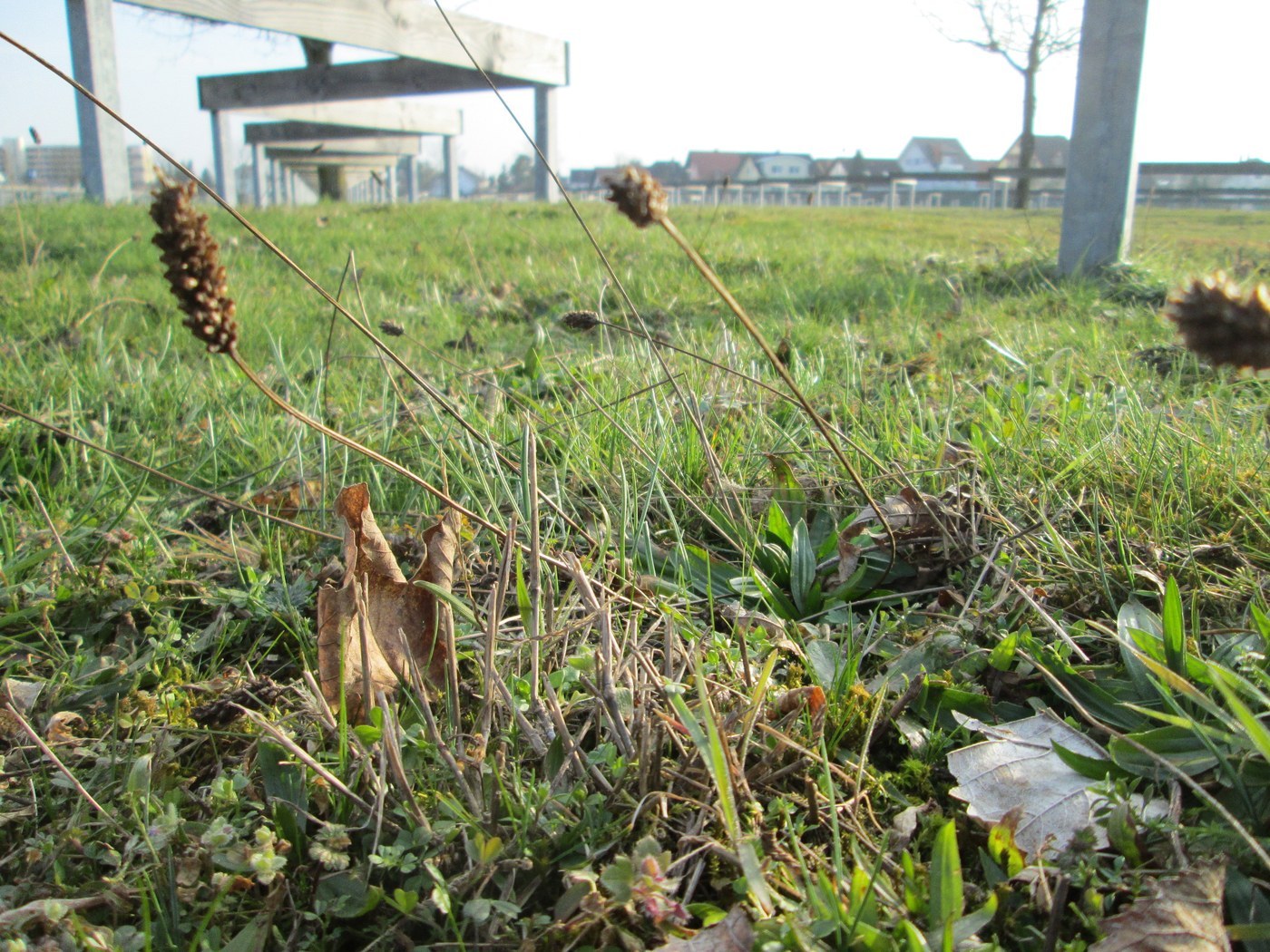
Buckhorn Plantain (Plantago lanceolata) is a hardy low-growing perennial that forms a flat rosette of narrow, strongly ribbed lance-shaped leaves, from which rise slender leafless stalks topped with compact conical flower heads ringed by tiny cream stamens. It is one of the most adaptable and undemanding plants you can grow, thriving on neglect in poor, dry soils.
Light
Buckhorn Plantain grows best in full sun to part shade. It flowers most freely and stays most compact in open, sunny positions, but it tolerates dappled and partial shade without complaint, simply growing a little looser and leafier.
Water
This is a genuinely drought-tolerant plant with a deep taproot that lets it ride out extended dry spells. Water new plants until established, then only during prolonged drought. Established rosettes rarely need supplemental watering and dislike constantly soggy ground, which can rot the crown.
Soil & Potting
It is famously unfussy about soil, growing in poor, compacted, sandy, gravelly, or clay ground and tolerating a wide pH range. Good drainage is the only real preference. In containers, a basic free-draining potting mix is more than sufficient; it needs no special amendments.
Humidity & Temperature
Fully cold-hardy and heat-tolerant, Buckhorn Plantain shrugs off temperature swings and needs no humidity management. It stays evergreen or semi-evergreen in mild winters and dies back only in the harshest cold, resprouting from the taproot in spring.
Feeding
Feeding is essentially unnecessary. This plant evolved on lean soils and grows perfectly well without fertilizer. Overly rich conditions simply produce lush, floppy leaves and more vigorous self-seeding, so it is best left unfed.
Propagation
Buckhorn Plantain propagates readily from seed, which germinates easily on the soil surface with light and needs no special treatment. It also self-sows freely once it flowers. Mature rosettes can be dug and divided, though seed is by far the simplest method.
Repotting / Pruning
Little pruning is required. To limit its prolific self-seeding, snip off the flower stalks before the seed heads mature and dry. Remove tired outer leaves to tidy the rosette. In containers, repot or refresh the mix every couple of years, or simply start fresh from seed.
Common Problems & Pests
This is a remarkably pest- and disease-resistant plant. Powdery mildew or downy mildew can occasionally speckle the leaves in damp, crowded, shaded conditions; improve airflow and reduce moisture to clear it. Its main drawback is vigorous self-seeding, so deadhead if you want to keep it contained.
Seasonal Care Tips
In spring, thin self-sown seedlings and remove winter-damaged leaves. Through summer, deadhead flower spikes to control spread and enjoy its drought tolerance with minimal watering. In fall, cut back any lingering stalks. In cold climates it needs no winter protection and returns reliably from its taproot.
Frequently asked questions
How much water does Buckhorn Plantain need?
Very little. It is deeply drought-tolerant thanks to a long taproot. Water new plants until established, then only during extended droughts. Avoid soggy soil, which can rot the crown of this dry-loving plant.
How do I stop Buckhorn Plantain from spreading everywhere?
Its only vice is prolific self-seeding. Snip off the flower stalks before the conical seed heads dry and shed, and thin out volunteer seedlings in spring. Deadheading regularly keeps it from colonizing beyond where you want it.
What kind of soil does it need?
Almost any. It thrives in poor, compacted, sandy, gravelly, or clay soils across a broad pH range. The only real requirement is that the ground drains rather than staying waterlogged. No amendments or fertilizer are needed.
Does Buckhorn Plantain come back every year?
Yes. It is a hardy perennial that stays evergreen or semi-evergreen in mild winters and resprouts from its taproot in spring after harder freezes. It needs no winter protection in cold climates.