
How to Care for Calico Kitten
Grow Calico Kitten (Crassula pellucida subsp. marginalis), a trailing succulent, in bright light with sparing water for the most vivid heart-shaped leaves.
Read the full Calico Kitten encyclopedia entry →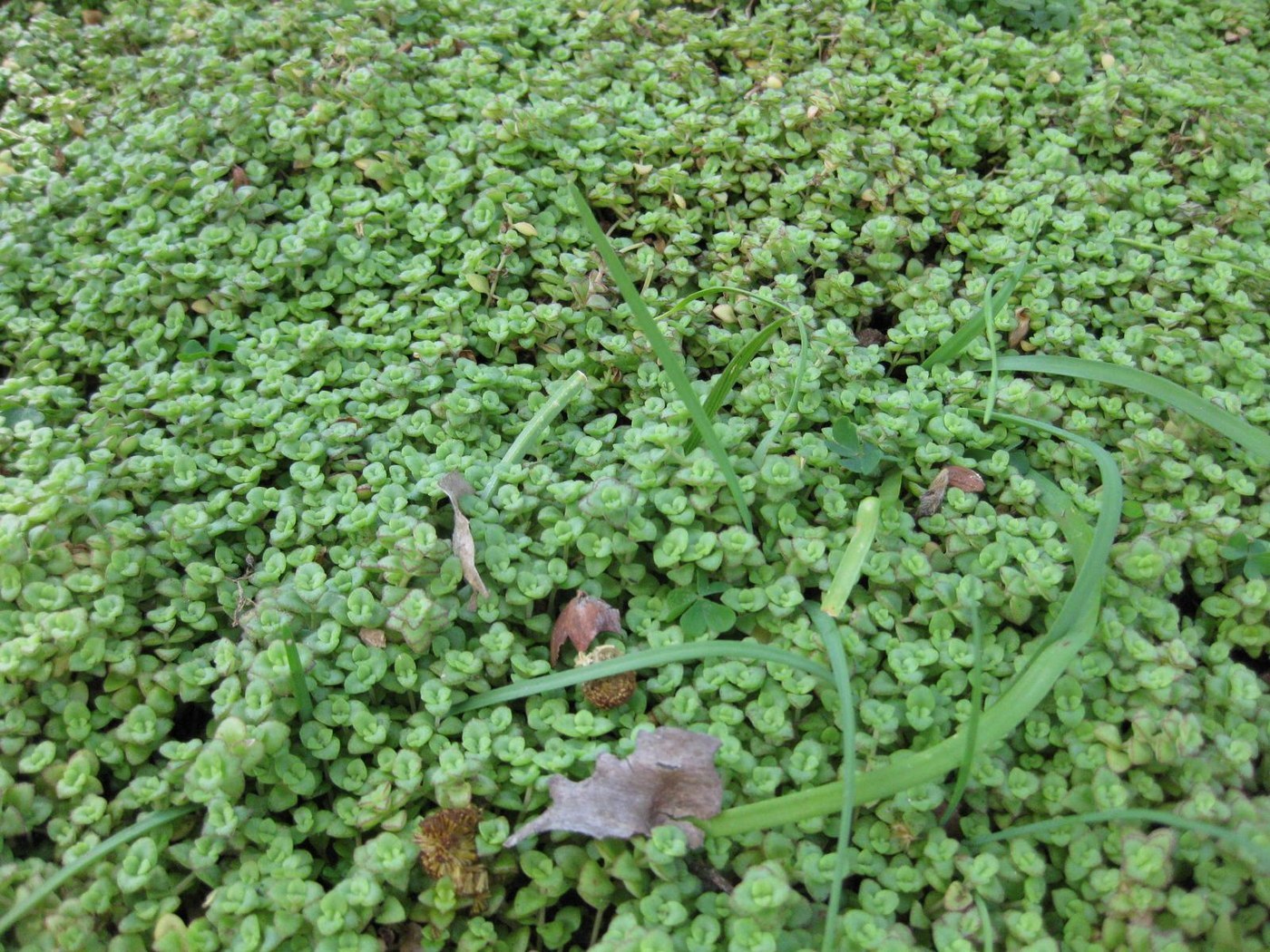
Calico Kitten (Crassula pellucida subsp. marginalis) is a charming trailing succulent with small, stacked, heart-shaped leaves that blush shades of green, cream, pink, and purple, most intensely in bright light and cooler weather. Its cascading stems make it a favorite for hanging pots and mixed succulent arrangements.
Light
Provide bright indirect light to part sun for the richest coloring. Ample light is what draws out the plant's signature rose, cream, and violet variegation; in low light it reverts to plain green and grows stretched and leggy. Give it several hours of gentle direct sun where possible, but acclimate it gradually and shield it from intense, scorching afternoon sun, which can burn the delicate leaves.
Water
Water sparingly, only when the soil has dried out, following the classic succulent soak-and-dry approach. Water thoroughly, then let the mix dry completely before watering again. Its moderate difficulty rating largely comes from its sensitivity to overwatering, which quickly causes stem and root rot. Cut back further in winter dormancy. When in doubt, err on the side of dry.
Soil & Potting
Use a fast-draining, gritty succulent or cactus mix, ideally amended with extra perlite, pumice, or coarse sand. Excellent drainage is essential to prevent the trailing stems from rotting at the soil line. Always use a pot with drainage holes; shallow or hanging containers suit its cascading habit and help the soil dry quickly.
Humidity & Temperature
Calico Kitten prefers warm, dry air and low humidity, typical of succulents. It is frost-tender and should be kept above freezing, brought indoors before cold weather in temperate regions. Cool nights combined with bright light intensify its pink and purple tones, but sustained cold and damp are dangerous. Good airflow around the foliage helps prevent rot.
Feeding
Feed lightly, no more than once a month during the active growing season, using a diluted, balanced or succulent-specific fertilizer. This is not a heavy feeder, and too much fertilizer produces weak, soft, overly green growth at the expense of the colorful, compact form. Do not feed during winter dormancy.
Propagation
Calico Kitten propagates readily from stem cuttings. Snip a healthy trailing stem, let the cut end callus over for a day or two, then lay or insert it into dry, well-draining mix and water sparingly until roots form. Individual leaves can sometimes root as well. The trailing stems also root where nodes touch soil, making the plant easy to multiply.
Repotting / Pruning
Repot every couple of years in spring, or when the plant outgrows its container, using fresh gritty mix and handling the brittle stems gently. Pinch or trim leggy or overgrown stems to encourage bushier, fuller growth, and use the trimmings as cuttings. Removing spent or shriveled lower leaves keeps the plant tidy and improves airflow.
Common Problems & Pests
Overwatering is the primary threat, leading to mushy, blackened stems and root rot; strict soak-and-dry watering and gritty soil prevent this. Faded green leaves and stretched stems indicate insufficient light. Mealybugs are the most common pest, hiding among the stacked leaves, along with occasional aphids or spider mites; treat with insecticidal soap or dab pests with alcohol. Ensure good airflow to deter fungal issues.
Seasonal Care Tips
During the spring and summer growing season, provide bright light, sparing water once the soil dries, and light monthly feeding. In fall, reduce watering as growth slows. In winter, keep the plant cool but frost-free, in bright light and nearly dry soil; the cool, bright conditions bring out the most vivid pink and purple leaf coloring. Protect it from freezing temperatures at all times.
Frequently asked questions
Why is my Calico Kitten losing its pink and purple color?
The vivid pink, cream, and purple tones come from bright light and cooler temperatures. In low light the plant reverts to plain green and grows leggy, so move it somewhere brighter to restore the coloring.
How often should I water a Calico Kitten?
Water only when the soil has fully dried, then soak thoroughly and let it dry out again. It is very sensitive to overwatering, so water sparingly, especially in winter, and always err toward dry.
Why are my Calico Kitten's stems turning mushy and black?
Mushy, blackened stems are a classic sign of overwatering and rot. Use a fast-draining gritty mix, a pot with drainage holes, and let the soil dry completely between waterings.
How do I propagate Calico Kitten?
Take a healthy stem cutting, let the cut end callus for a day or two, then set it on well-draining mix and water sparingly until roots form. Trailing stems also root where their nodes touch soil.