
How to Care for California Juniper
A tough, drought-hardy native conifer for hot dry gardens and bonsai; needs full sun, fast-draining soil, and very little water once established.
Read the full California Juniper encyclopedia entry →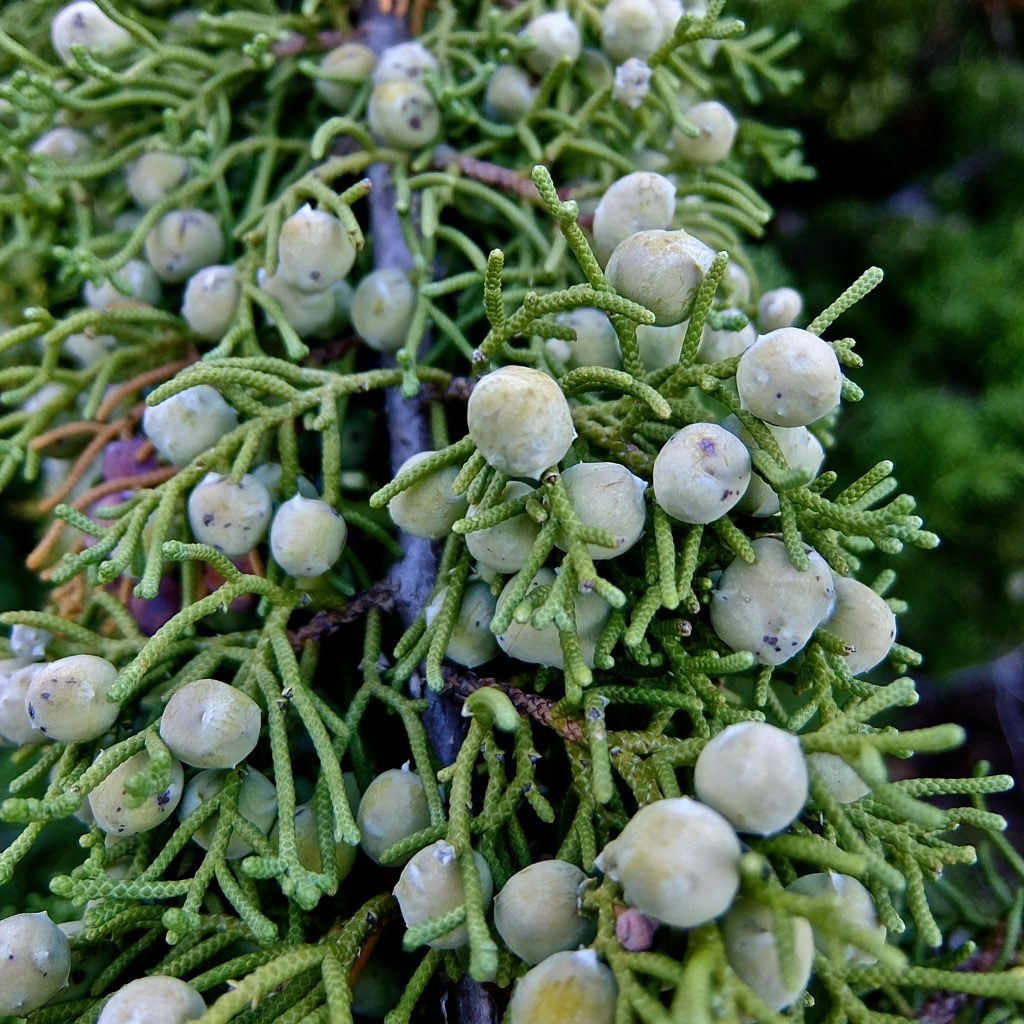
California Juniper (Juniperus californica) is a rugged, slow-growing native evergreen conifer of the arid western United States, forming a gnarled shrub or small tree with scale-like gray-green foliage. Extremely drought tolerant, it is a favorite for xeriscapes and one of the most sought-after subjects for collected bonsai.
Light
Give California Juniper full sun, ideally a minimum of 6 to 8 hours of direct light. This desert-adapted species colors best and stays dense and compact in bright, unshaded conditions. Insufficient light causes weak, open, leggy growth and dulls the foliage.
Water
Very drought tolerant. Established plants in the ground survive on natural rainfall in most western climates and need only occasional deep soaks during prolonged dry spells. Let the soil dry substantially between waterings and never allow the roots to stand wet. Bonsai and container specimens need slightly more frequent water but still demand a soil that drains almost immediately.
Soil & Potting
Sharp drainage is non-negotiable. In the ground it prefers lean, gritty, rocky or sandy soils and tolerates poor, alkaline ground. For containers and bonsai use a fast-draining inorganic-heavy mix such as akadama or pumice blended with lava and a little bark. Avoid dense, moisture-retentive potting soils that suffocate the roots.
Humidity & Temperature
This species thrives in hot, dry, low-humidity conditions and is cold hardy roughly to USDA zones 8 through 10, tolerating brief frosts. It shrugs off intense heat and drying winds. In humid climates it is prone to fungal issues, so maximize airflow and drainage.
Feeding
Feed sparingly. A dilute balanced fertilizer applied a few times through the growing season is plenty for landscape plants. Bonsai benefit from light, regular feeding during active growth in spring and fall, tapering off in the heat of midsummer and during winter dormancy. Overfeeding produces coarse, weak growth.
Propagation
Propagation is slow. It can be grown from seed, but seeds require cold stratification and often take a long time to germinate erratically. Semi-hardwood cuttings can be rooted with patience under high humidity, though success rates are modest. Many bonsai specimens are old plants collected from the wild (yamadori) rather than propagated.
Repotting / Pruning
Repot bonsai infrequently, roughly every 3 to 5 years, in early spring, disturbing the roots minimally since junipers resent heavy root work. Prune by pinching and thinning rather than shearing; cutting into old bare wood rarely regenerates foliage. Wiring is best done on this flexible-when-young species to shape the characteristic twisting trunk and deadwood features.
Common Problems & Pests
Root rot from overwatering or poor drainage is the leading killer. Spider mites can infest foliage in hot, dry, dusty conditions; rinse the canopy to discourage them. Juniper scale and bagworms occasionally appear. Fungal tip blights and cankers show up in wet, poorly ventilated situations, so prioritize sun and airflow.
Seasonal Care Tips
Do structural pruning and repotting in early spring as growth resumes. Water a bit more attentively through peak summer heat, especially for potted specimens, but always let the mix dry between soaks. Reduce watering and stop feeding in winter as the plant rests. Protect the shallow root pads of bonsai from hard freezes.
Frequently asked questions
How often should I water an established California Juniper?
Very rarely once established in the ground; it survives on rainfall in most dry western climates and needs only occasional deep soaks in extended drought. Always let the soil dry out well between waterings, as wet roots are its main weakness.
Why is California Juniper popular for bonsai?
Its naturally gnarled, twisting trunks, fine scale foliage, and dramatic deadwood make it a classic bonsai subject. Many specimens are old plants collected from the wild. It responds well to wiring but should be pruned by pinching rather than hard cutting into old wood.
Can California Juniper grow in humid climates?
It is far happier in hot, dry, low-humidity regions. In humid areas it is prone to fungal blights and root rot, so give it maximum sun, excellent airflow, and extremely fast-draining soil to compensate.
Why is my juniper foliage turning brown?
Browning usually signals either overwatering and root rot or, conversely, severe drought stress and spider mites in hot dusty air. Check drainage first, let the soil dry, rinse the foliage for mites, and ensure it gets full sun.