
How to Care for Canadian Hemlock
Grow Canadian Hemlock (Tsuga canadensis), a graceful shade-tolerant evergreen, with the right cool, moist, well-drained conditions.
Read the full Canadian Hemlock encyclopedia entry →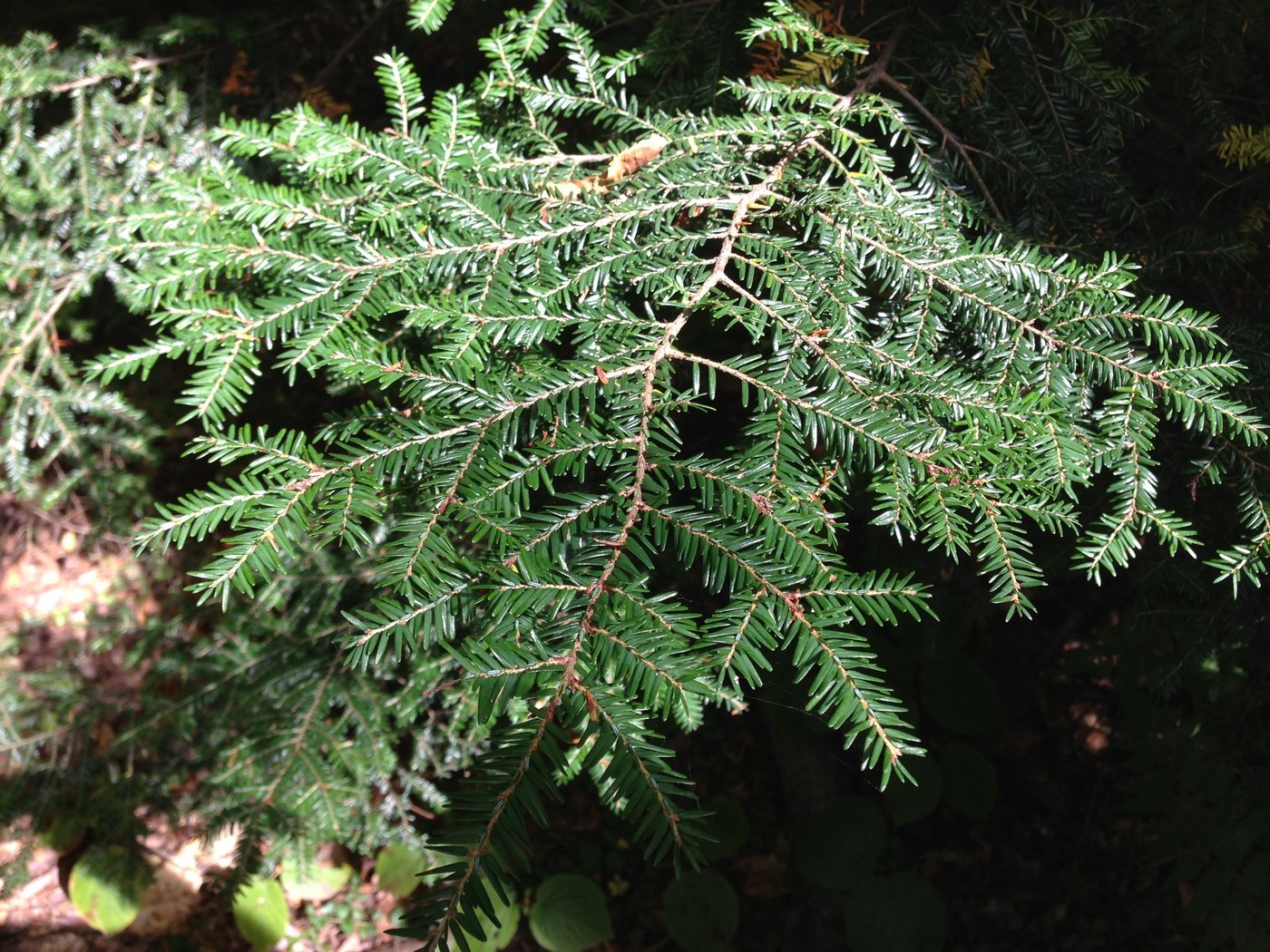
Canadian Hemlock (Tsuga canadensis) is a graceful, fine-textured evergreen conifer prized for its soft, feathery foliage and pendulous, layered branches. It is one of the few conifers that thrives in shade, making it a versatile choice for woodland gardens, screens, and clipped hedges.
Light
Canadian Hemlock grows in part shade to full sun, but it performs best with some protection from harsh afternoon sun and drying wind. In hot climates, dappled or morning light keeps the foliage lush; in cooler regions it tolerates more direct sun as long as the roots stay cool and moist.
Water
Keep the soil consistently moist. Hemlocks have shallow, fibrous root systems that dry out quickly and resent drought. Water deeply during dry spells, especially in the first few years after planting and during summer heat. A steady moisture supply is one of the biggest keys to a healthy plant.
Soil & Potting
Provide moist, well-drained, acidic soil rich in organic matter. Hemlocks dislike heavy, waterlogged clay and also fail in dry, compacted ground. Amend with leaf mold or compost at planting and mulch generously to retain moisture and keep roots cool.
Humidity & Temperature
This is a cool-climate conifer that favors humid air and moderate summers. It struggles in hot, dry, windy sites and in regions with prolonged high heat. It is very cold hardy and shrugs off harsh winters, but reflected heat and drought stress in summer are its main weaknesses.
Feeding
Hemlocks are not heavy feeders. Apply a balanced, slow-release fertilizer formulated for acid-loving evergreens in early spring if growth is weak or foliage is pale. An annual topdressing of compost and organic mulch usually supplies most of what the tree needs.
Propagation
Species hemlocks are typically grown from seed, which requires cold stratification to break dormancy. Named cultivars and weeping forms are propagated from semi-hardwood cuttings taken in late summer or by grafting, as they do not come true from seed.
Repotting / Pruning
Hemlock tolerates pruning and shearing exceptionally well, which is why it makes a superb formal hedge. Trim in late spring after new growth emerges, and avoid cutting back into old bare wood, which is slow to regenerate. For specimens, simply remove dead or crossing branches.
Common Problems & Pests
The most serious pest is the hemlock woolly adelgid, recognizable by white, cottony masses at the base of needles; infestations cause needle drop and dieback. Spider mites can also cause bronzing in hot, dry conditions. Root rot develops in poorly drained soil. Keeping trees vigorous with adequate water and mulch improves resistance.
Seasonal Care Tips
Plant in spring or early fall so roots establish before extreme weather. Mulch year-round to moderate soil temperature and moisture. Water through summer droughts and provide extra irrigation before the ground freezes in autumn. Inspect foliage regularly for early signs of adelgid or mites.
Frequently asked questions
Can Canadian Hemlock grow in shade?
Yes. It is one of the most shade-tolerant conifers and grows well in part shade, though it also accepts full sun where roots stay cool and moist.
Why is my hemlock's foliage thinning and turning gray?
Thinning, grayish foliage with white cottony tufts usually signals hemlock woolly adelgid. Inspect the needle bases and treat promptly, and keep the tree well watered to reduce stress.
Does Canadian Hemlock make a good hedge?
Excellent. It responds beautifully to shearing and forms a dense, soft-textured formal hedge. Trim after the spring flush and avoid cutting into bare old wood.
How often should I water a newly planted hemlock?
Keep the soil steadily moist, watering deeply once or twice a week during the first few growing seasons and during any summer dry spell, since its shallow roots dry out fast.