
How to Care for Cast Iron Plant
Grow the near-indestructible Cast Iron Plant for glossy upright foliage in low light; it forgives neglect and shade.
Read the full Cast Iron Plant encyclopedia entry →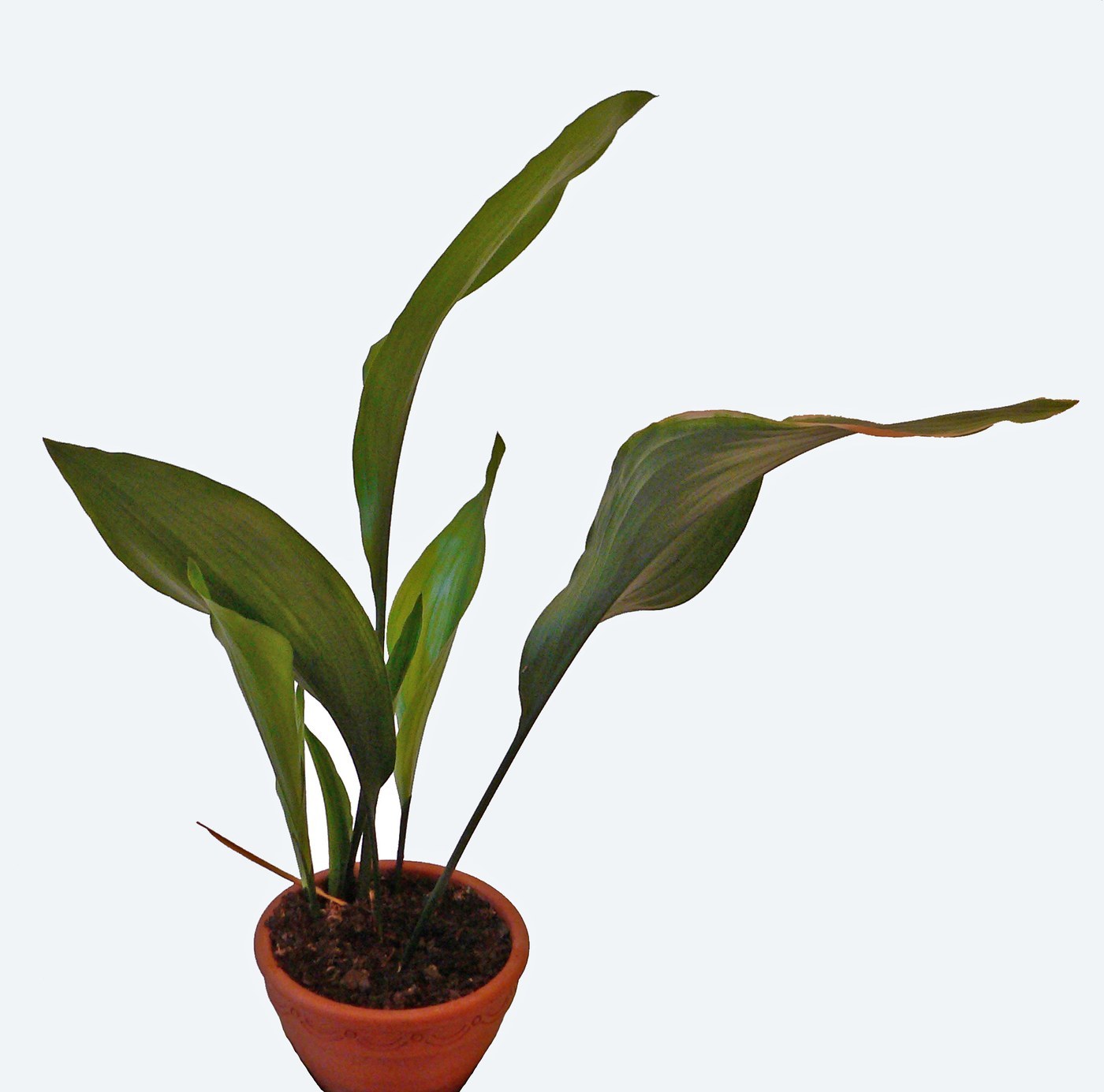
The Cast Iron Plant (Aspidistra elatior) earns its name by surviving conditions that kill most houseplants: deep shade, irregular watering, and neglect. Its arching, deep green, leathery leaves make it a handsome, long-lived foliage plant for dim corners where little else will grow.
Light
Cast Iron Plant thrives in low to medium indirect light and is one of the best plants for shady, dim rooms. Keep it out of direct sun, which scorches and bleaches the foliage. It tolerates very low light, though growth is slow; bright indirect light (never direct) gives the fullest growth.
Water
Water when the top inch or so of soil dries out, then water thoroughly and let excess drain away. This plant is extremely forgiving of occasional missed waterings and far prefers slight dryness to soggy soil. Overwatering is the single most common way to harm it, leading to root rot.
Soil & Potting
Use a well-drained, general-purpose potting mix, ideally with some added perlite for aeration. It is not fussy about soil as long as the pot drains freely. A container with drainage holes is essential to prevent water pooling around the roots.
Humidity & Temperature
Cast Iron Plant tolerates a wide range of ordinary indoor temperatures and average household humidity without complaint. It prefers moderate warmth and dislikes cold drafts and sudden temperature swings. It does not need misting or elevated humidity to look good.
Feeding
Feed sparingly, only during the active growing season in spring and summer, with a diluted balanced houseplant fertilizer roughly once a month. This slow grower needs little food; over-fertilizing can scorch the leaf tips. Do not feed in fall and winter.
Propagation
Propagate by division. In spring, lift the plant and separate the rhizome into sections, each with a few leaves and roots, then pot them up individually. Division is the only practical method, and new divisions establish slowly, in keeping with the plant's leisurely pace.
Repotting / Pruning
Repot infrequently, only every few years when roots crowd the pot, since it actually grows best slightly root-bound and resents disturbance. Prune by cutting off any damaged, yellowed, or browned leaves at the base to keep the plant looking fresh. Wipe the broad leaves occasionally to remove dust.
Common Problems & Pests
The most common problems come from overwatering, which causes root rot and yellowing leaves, and from direct sun, which scorches foliage. Brown leaf tips can result from over-fertilizing or very dry air. Occasional pests include spider mites and scale; wipe leaves and treat as needed.
Seasonal Care Tips
Water a bit more often and feed monthly during spring and summer growth. In fall and winter, reduce watering and stop feeding as growth slows. Keep the plant away from cold windows and heating vents, and dust the leaves periodically so they can photosynthesize efficiently in low light.
Frequently asked questions
How much light does a Cast Iron Plant need?
Very little. It thrives in low to medium indirect light and is ideal for shady rooms. Keep it out of direct sun, which scorches the leaves. Brighter indirect light speeds up its otherwise slow growth.
Why are my Cast Iron Plant's leaves turning yellow?
Yellowing usually signals overwatering and soggy soil. Let the top inch of soil dry before watering, make sure the pot drains freely, and cut away any affected leaves at the base.
How often should I repot a Cast Iron Plant?
Rarely, only every few years when it becomes badly root-bound. It grows best slightly crowded and resents root disturbance, so repot in spring only when truly necessary.
Why does my Cast Iron Plant grow so slowly?
Slow growth is completely normal for this plant, especially in low light. You can encourage slightly faster growth with brighter indirect light and monthly feeding in spring and summer, but patience is part of caring for it.