
How to Care for Cherry Blossom
Grow ornamental Japanese cherry (Prunus serrulata) for spectacular spring bloom with full sun, moist well-drained soil, and careful pruning.
Read the full Cherry Blossom encyclopedia entry →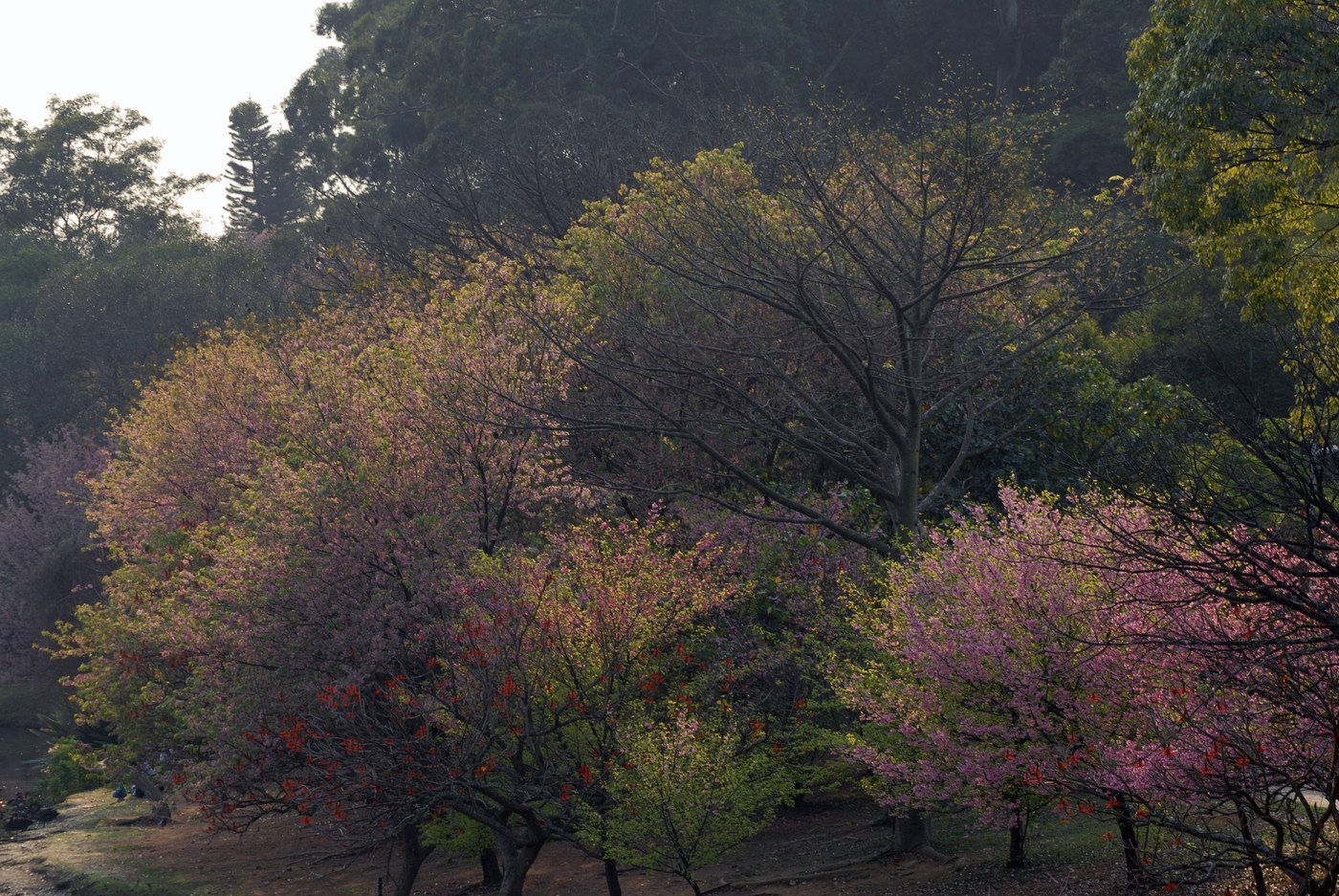
The Japanese flowering cherry (Prunus serrulata) is a beloved ornamental tree grown for its breathtaking clouds of pink or white spring blossom and graceful spreading form. With the right site and modest attention it becomes a long-lived centerpiece of the garden.
Light
Plant in full sun for the most abundant flowering and a strong, well-shaped canopy. At least six hours of direct sun a day is ideal; in too much shade the tree flowers sparsely, grows leggy, and becomes more prone to disease.
Water
Water regularly and deeply while the tree is young and establishing, keeping the root zone evenly moist but never waterlogged. Once established, it needs only moderate watering, though deep soaks during prolonged dry spells help protect bloom and overall vigor. Avoid both drought stress and standing water.
Soil & Potting
Cherries prefer fertile, moist but well-drained soil with a neutral to slightly acidic pH. Heavy, poorly draining ground encourages root problems, so improve dense clay with organic matter and, if needed, plant on a slight mound. A mulch ring over the root zone conserves moisture and moderates soil temperature; keep it clear of the trunk.
Humidity & Temperature
These are temperate trees that need a period of winter cold to flower well and are hardy through cold winters. They flower in early spring, so a sheltered spot protects the delicate blossoms from late frosts and strong winds that can cut the display short. Ambient humidity is generally not a concern.
Feeding
Feed lightly in early spring with a balanced or slightly phosphorus-rich fertilizer to support flowering, or top-dress with compost. Avoid heavy nitrogen, which drives soft leafy growth at the expense of blossom and can increase susceptibility to disease. Mature trees in decent soil often need little supplemental feeding.
Propagation
Named ornamental cultivars are usually propagated by grafting or budding onto compatible rootstocks to preserve their form and flower quality. Softwood cuttings can be attempted in early summer under mist, though success varies. Seed-grown trees will not come true to the parent cultivar.
Repotting / Pruning
Prune only when necessary and at the right time. Cherries are prone to disease entry through cuts, so prune in summer after flowering rather than in wet winter dormancy, removing dead, damaged, crossing, or crowded branches. Keep cuts clean and minimal. Container-grown young trees can be potted up in autumn or early spring before transplanting to their final site.
Common Problems & Pests
Watch for aphids on new growth, caterpillars, and scale insects. Fungal and bacterial issues such as blossom blight, leaf spot, and canker can affect stressed or poorly pruned trees, and silver leaf can enter through winter wounds. Good siting, clean pruning at the right season, and prompt removal of diseased wood are the best defenses.
Seasonal Care Tips
In early spring enjoy the bloom and feed lightly as growth begins. Through spring and summer keep young trees watered and prune after flowering. In autumn, rake up fallen leaves to reduce disease carryover and mulch the root zone. In winter the tree is dormant and hardy; avoid pruning in cold, wet conditions to limit disease risk.
Frequently asked questions
Why isn't my cherry blossom flowering well?
The most common causes are too much shade, excess nitrogen fertilizer, or a late frost damaging buds. Ensure full sun, feed lightly with balanced or phosphorus-leaning food, and shelter the tree from late-spring frosts.
When should I prune a flowering cherry?
Prune in summer after flowering, not in wet winter dormancy. Cherries are vulnerable to disease entering through cuts, and summer pruning helps wounds heal quickly while reducing silver leaf and canker risk.
How much should I water a young cherry tree?
Keep the root zone evenly moist during the first few years, giving deep soaks rather than frequent sprinkles. Once established it needs only moderate watering, with extra during long dry spells.
Can I grow a flowering cherry in a container?
Young or dwarf forms can grow in large containers for a time with well-drained soil and consistent watering, but most Prunus serrulata eventually need planting in the ground to reach their full size and bloom potential.