
How to Care for Chervil
Grow delicate, ferny chervil with our care guide on shade, steady moisture, cool weather, and succession sowing to keep the lacy foliage coming.
Read the full Chervil encyclopedia entry →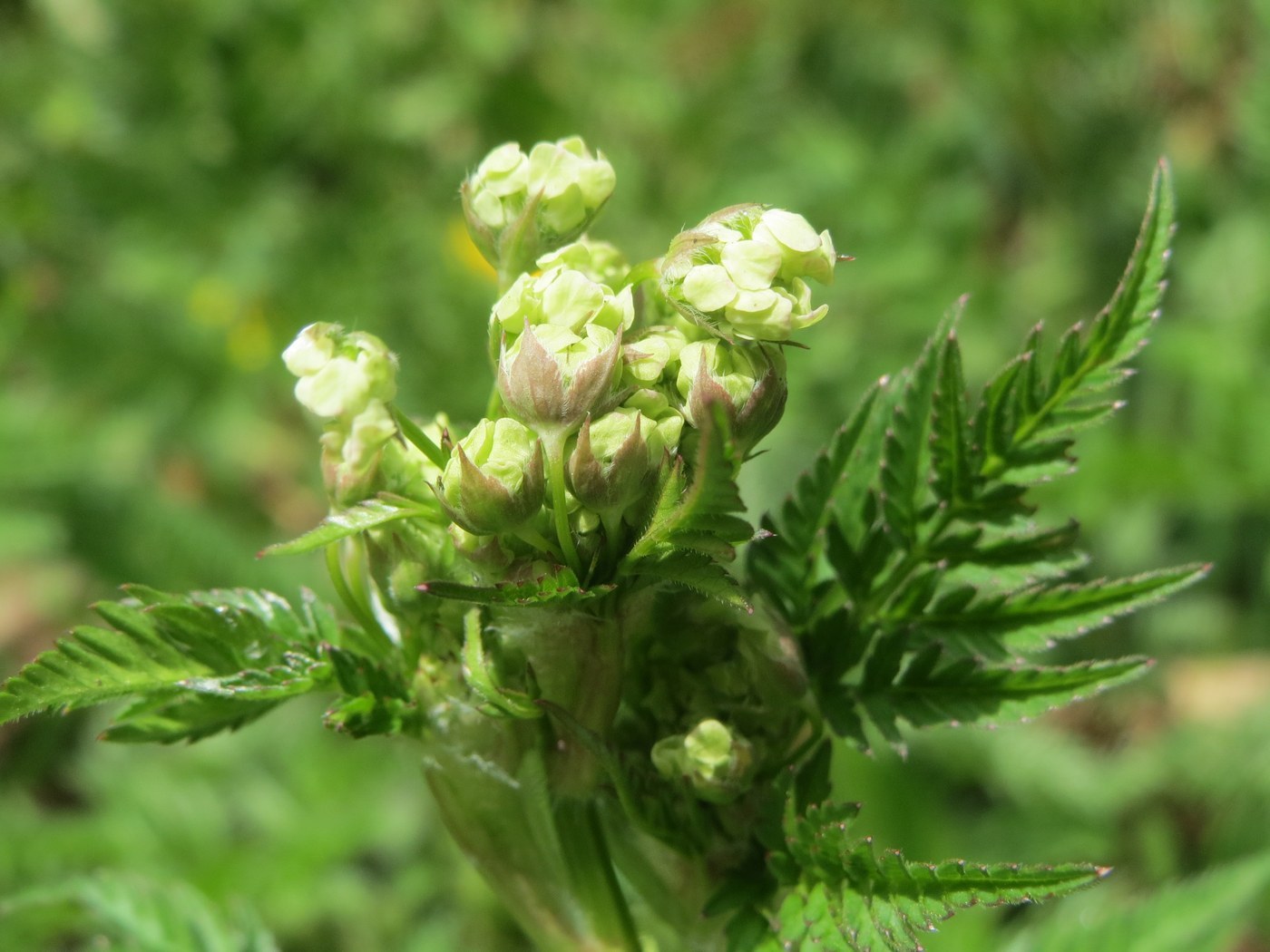
Chervil (Anthriscus cerefolium) is a delicate, ferny-leaved annual in the carrot family, grown for its lacy, finely divided foliage and cool-season charm. It is a moderately fussy plant because it bolts quickly in heat and dislikes transplanting, so success hinges on cool conditions, shade, and steady moisture.
Light
Chervil prefers partial shade, especially where summers are warm. Direct, hot midday sun encourages it to bolt to flower and go bitter. Dappled light, an east-facing spot, or the cool side of taller plants keeps it lush and leafy. In the short days of early spring and autumn it tolerates a bit more sun.
Water
Keep the soil consistently moist. Chervil has shallow roots and wilts or bolts quickly if it dries out, so water regularly and never let the bed bake. Mulching around plants helps hold moisture and keeps roots cool, which extends the productive leafy stage before flowering.
Soil & Potting
Grow chervil in a light, fertile, moisture-retentive soil enriched with organic matter yet still free-draining. A humus-rich loam suits it best. In containers use a good general potting mix and keep the pot out of hot afternoon sun. Because chervil resents root disturbance, sow directly where it will grow rather than transplanting seedlings.
Humidity & Temperature
This is a cool-weather plant that flourishes in the mild temperatures of spring and autumn. It runs to seed rapidly in heat, so time your sowings for the cooler ends of the season. It tolerates light frost and can even be grown through winter in mild climates or under cover. Average humidity is fine.
Feeding
Chervil is not a heavy feeder. Rich soil prepared with compost usually supplies enough nutrients. If growth is pale, a light dose of balanced liquid fertilizer perks up the foliage. Avoid over-feeding with nitrogen, which produces soft, floppy leaves.
Propagation
Chervil is grown from seed and should be sown directly into its final position because it dislikes being moved. Sow shallowly and keep the surface moist; germination takes a couple of weeks in cool soil. Sow in succession every few weeks from early spring into autumn for a continuous supply of tender leaves. Plants readily self-seed if you let a few flower.
Repotting / Pruning
Repotting is generally unnecessary since chervil is a short-lived annual best sown in place. Pinch out flowering stems as they appear to delay bolting and prolong leaf production. Regularly picking the outer leaves keeps plants compact and encourages fresh growth from the center.
Common Problems & Pests
Bolting in heat is the main challenge; shade, moisture, and successional sowing are the remedies. Aphids sometimes cluster on the tender growth and can be dislodged with a jet of water. Slugs and snails may graze seedlings in damp conditions. Powdery mildew and root problems can appear in stagnant, overly wet, or crowded plantings, so thin seedlings and ensure airflow.
Seasonal Care Tips
Start sowing in early spring as soon as the soil can be worked, then sow again every two to three weeks. Move sowings to shadier spots as summer warms, and pause during the hottest weeks. Resume in late summer for an autumn crop, and protect late plants with a cloche to extend the season. Let one or two plants flower and self-seed to establish a self-renewing patch.
Frequently asked questions
Why does my chervil keep flowering so fast?
Chervil bolts, or runs to flower, when it gets too hot or too dry. Grow it in partial shade, keep the soil consistently moist, pinch out flower stems, and sow in cool spring and autumn weather to keep it leafy longer.
Can I transplant chervil seedlings?
It is best not to. Chervil has a taproot and resents root disturbance, so transplants often bolt or sulk. Sow the seed directly where the plants are to grow for the healthiest results.
How often should I sow chervil?
Sow small batches every two to three weeks through spring and again in late summer into autumn. This succession sowing gives a steady supply of tender foliage and works around the plant's tendency to bolt in warm spells.
Can chervil grow in a pot?
Yes. Use a moisture-retentive potting mix, keep the pot in partial shade out of hot afternoon sun, and water regularly so it never dries out. Sow seed directly into the container to avoid root disturbance.