
Chervil Identification Guide
How to identify chervil (Anthriscus cerefolium) by its delicate fern-like leaves, anise scent, and small white umbels, and how to tell it from similar carrot-family plants.
Read the full Chervil encyclopedia entry →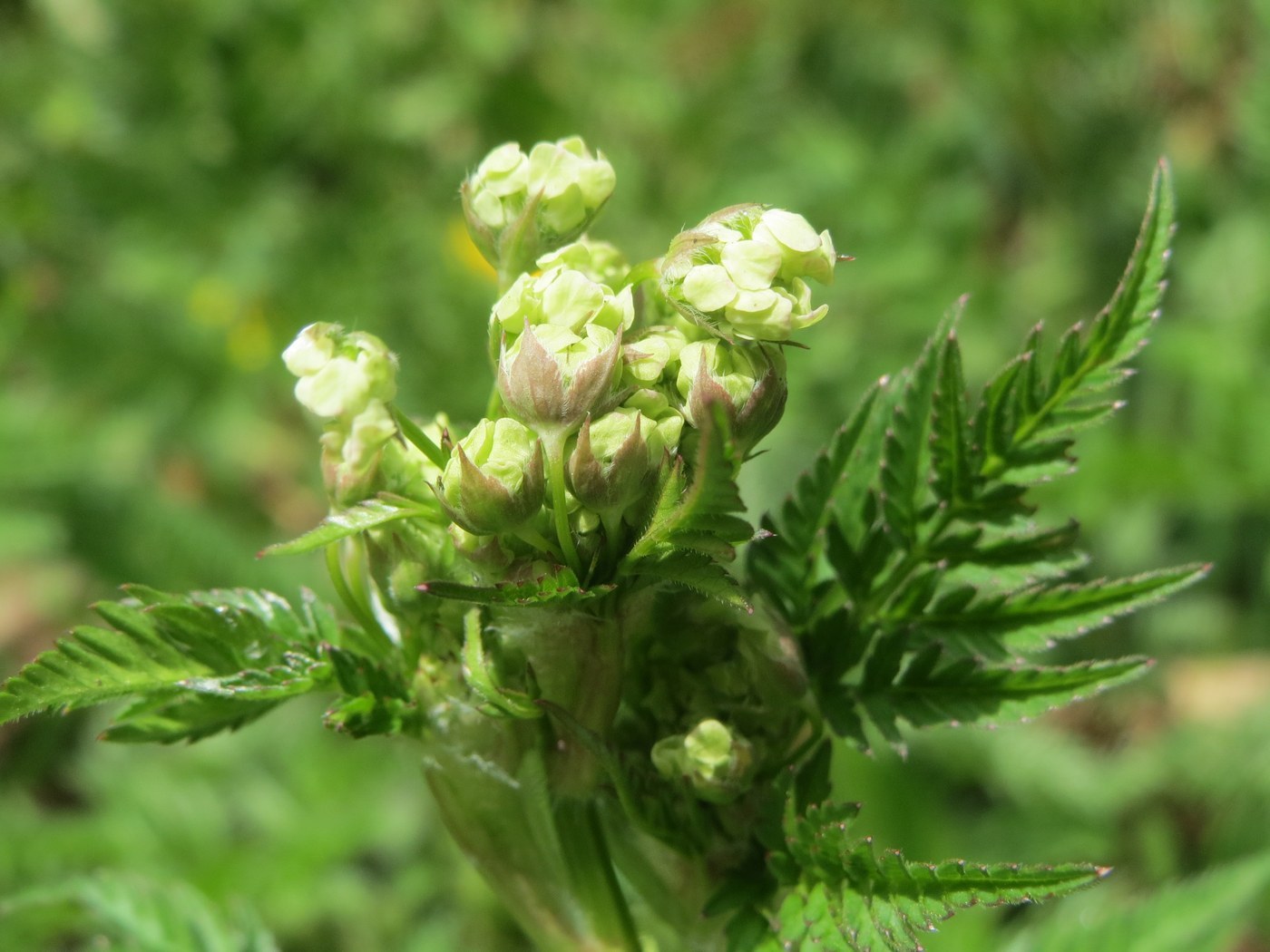
Key Identifying Features
Chervil (Anthriscus cerefolium) is a delicate annual herb of the carrot family. Identify it by:
- Finely divided, fern-like (lacy) leaves, soft and light green.
- A mild anise/licorice-and-parsley scent when crushed.
- Small flat umbels of tiny white flowers.
- A slender, delicate habit, usually 30–60 cm tall.
Leaves & Stems
Leaves are 2–3 times pinnately divided (compound) into many small, soft, deeply cut leaflets, giving a fine, lacy, fern-like appearance similar to flat-leaf parsley but more finely cut and a paler, brighter green. The foliage is slightly hairy and emits a gentle aniseed-parsley aroma when bruised — an important confirming clue. Stems are slender, hollow, finely grooved, and softly hairy, branching toward the top. The plant is delicate and lacks any purple blotching on the stem (unlike the look-alike below).
Flowers & Fruit
From late spring into summer, chervil bears small compound umbels of tiny white flowers — flat-topped clusters typical of the carrot family, each only a few millimeters across. The fruits are slender, narrow, elongated, beaked seeds (about 1 cm) that turn dark when ripe — narrower and longer than many umbellifer seeds, a useful detail.
How to Tell It Apart from Look-Alikes
Several carrot-family plants resemble chervil:
- Hemlock (Conium maculatum): superficially similar lacy leaves and white umbels, but is much taller (up to 2–3 m), has purple/red blotches on smooth hairless stems, and smells musty (mousy), not of anise.
- Fool's parsley (Aethusa cynapium): has an unpleasant smell and drooping bracts under the flower clusters.
- Cow parsley (Anthriscus sylvestris): a tall wild relative, coarser and larger.
- True chervil is small, soft, anise-scented, with plain green (non-blotched) stems.
Where You'll Find It
Chervil is native to the Caucasus/western Asia and southeastern Europe and is grown in herb and kitchen gardens in cool, moist, partly shaded soil. It can self-seed and naturalize on shaded waste ground and garden edges, preferring cool conditions and bolting in heat.
Quick ID Checklist
- Finely divided, lacy, fern-like soft green leaves
- Mild anise-parsley scent when crushed
- Small flat umbels of tiny white flowers
- Slender hollow stems with NO purple blotches
- Narrow, beaked, elongated seeds
Lacy anise-scented leaves with plain green stems confirm chervil and separate it from look-alike hemlock.
Frequently asked questions
How do I tell chervil from hemlock?
Hemlock is much taller, has purple blotches on smooth stems, and smells musty or mousy, while chervil is small, has plain green stems, and smells of anise and parsley.
What does chervil smell like?
A mild, sweet anise or licorice scent combined with a parsley note, released when the lacy leaves are crushed.
What do chervil flowers look like?
Small, flat-topped umbels of tiny white flowers typical of the carrot family, appearing from late spring into summer.
How is chervil different from parsley?
Chervil has more finely cut, lacier, paler green leaves and a delicate anise scent, while parsley has coarser, darker leaves.