How to Care for Chinese Evergreen
Grow Chinese Evergreen (Aglaonema commutatum), an easygoing houseplant with strikingly patterned foliage that thrives in low light.
Read the full Chinese Evergreen encyclopedia entry →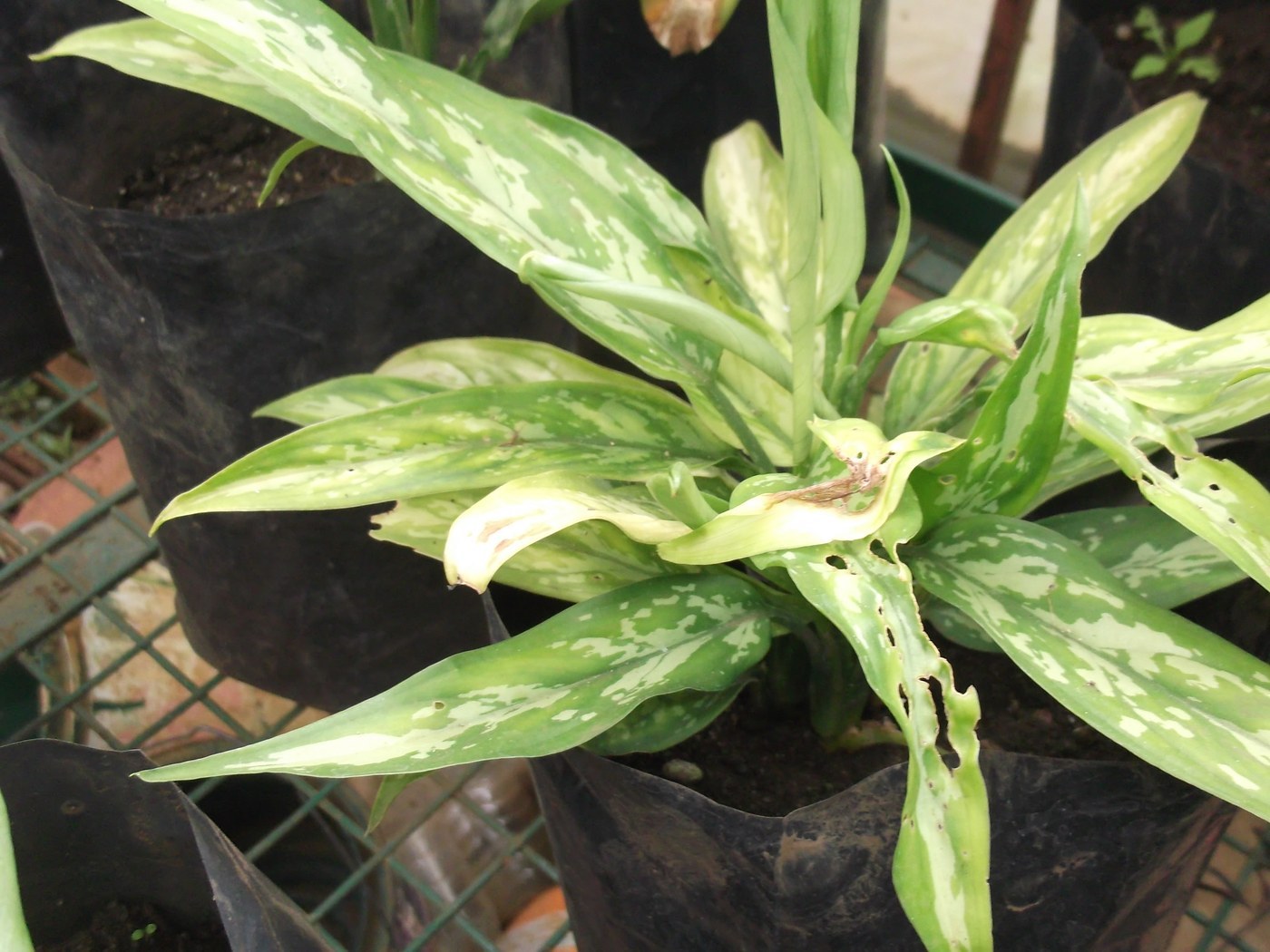
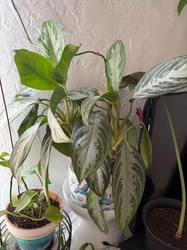
Chinese Evergreen (Aglaonema commutatum) is one of the most forgiving and decorative houseplants, celebrated for its lush, silver-and-green marbled leaves. It tolerates low light and neglect, making it a superb choice for beginners and dim corners alike.
Light
Chinese Evergreen adapts to low to bright indirect light. Green-leaved varieties handle shadier spots best, while heavily variegated or pink-tinted cultivars keep their color with brighter, filtered light. Avoid direct midday sun, which scorches the foliage. An east or north window, or a few feet back from a brighter window, is ideal.
Water
Water when the top inch of soil dries out. Aglaonema prefers evenly moist but never soggy soil during active growth, and appreciates a slightly drier regimen in winter. Overwatering is the most common cause of trouble, leading to yellowing leaves and root rot. Let excess drain freely and empty any saucer.
Soil & Potting
Use a well-draining, peat- or coir-based potting mix enriched with perlite or bark for aeration. A standard indoor potting mix works well if it drains freely. Choose a pot with drainage holes, and avoid oversized containers that hold excess moisture around the roots.
Humidity & Temperature
This tropical plant enjoys average to high humidity and warm, stable temperatures, ideally in the 65-80 F range. It dislikes cold drafts, air-conditioning blasts, and temperatures below about 55 F, which can cause dark blotching on leaves. Occasional misting or a nearby humidity tray keeps foliage looking its best in dry indoor air.
Feeding
Feed lightly with a balanced liquid houseplant fertilizer at half strength every 4-6 weeks during spring and summer. It is a slow, modest feeder, so avoid overfeeding, which can cause leaf-tip burn. Pause fertilizing in fall and winter when growth slows.
Propagation
Propagate by division when repotting, separating rooted clumps or offsets and potting them individually. Stem cuttings with a few nodes can also be rooted in water or moist soil. Warmth and humidity speed rooting. Spring and summer are the best times to divide or take cuttings.
Repotting / Pruning
Repot every two to three years, or when roots fill the pot, moving up one pot size in spring. Chinese Evergreen actually flowers modestly, but many growers pinch off the small blooms to direct energy into foliage. Trim any yellowed or damaged leaves at the base to keep the plant tidy.
Common Problems & Pests
Yellowing leaves usually indicate overwatering, while brown crispy edges point to dry air or fertilizer buildup. Cold exposure causes grayish-black patches. Watch for mealybugs, spider mites, scale, and aphids; wipe leaves and treat with insecticidal soap as needed. Ensuring good drainage prevents most root problems.
Seasonal Care Tips
In spring and summer, water more regularly, feed lightly, and repot or divide as needed. In fall and winter, cut back on watering, stop feeding, and keep the plant away from cold windows and heating drafts. Dust the leaves periodically so they can photosynthesize efficiently in lower light.
Frequently asked questions
Why are my Chinese Evergreen leaves turning yellow?
Yellowing usually means overwatering or poor drainage. Let the top inch of soil dry before watering, make sure the pot drains freely, and avoid leaving the plant in standing water.
How much light does a Chinese Evergreen need?
It tolerates low to bright indirect light. Solid-green types handle shade well, while colorful variegated cultivars keep their patterns best in brighter filtered light. Keep it out of direct sun.
How often should I water a Chinese Evergreen?
Water when the top inch of soil feels dry, roughly weekly in summer and less in winter. It prefers evenly moist soil but is very sensitive to soggy conditions.
Why do the leaf edges turn brown?
Brown, crispy edges typically come from dry indoor air or a buildup of fertilizer salts. Raise humidity with a tray or misting, flush the soil occasionally, and feed only at half strength.
Chinese Evergreen identified by the community
Recent Chinese Evergreen specimens identified with Plant Identifier.