
How to Care for Cleome
Cleome brings airy spider-flower blooms to summer borders. Give it full sun, well-drained soil, and light watering for a tall, showy display.
Read the full Cleome encyclopedia entry →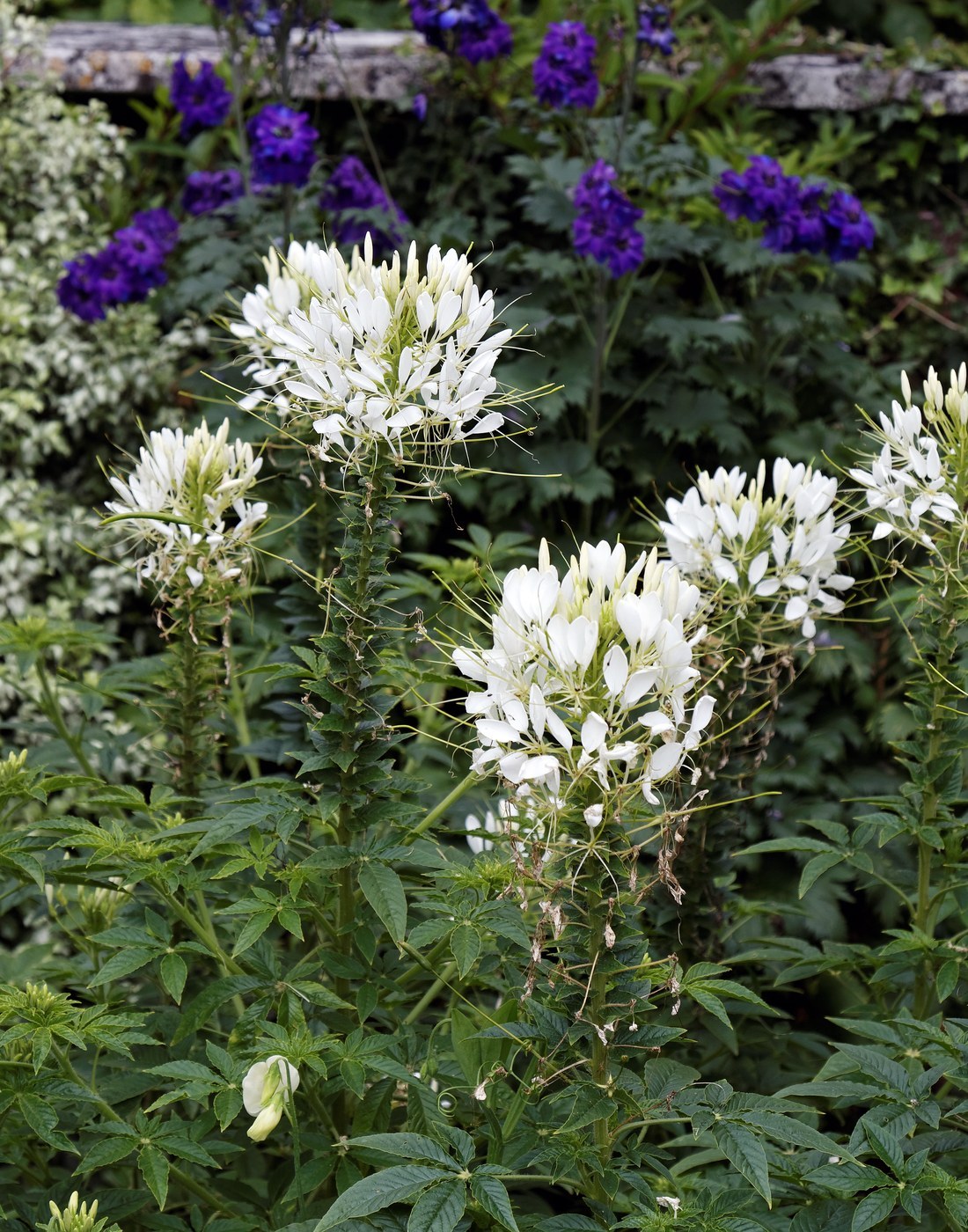
Cleome (Cleome hassleriana), often called spider flower, is a tall, airy annual prized for its clusters of pink, purple, or white blooms with long, whisker-like stamens. It is easy to grow, drought-tolerant once established, and a magnet for pollinators in sunny borders.
Light
Cleome demands full sun to flower at its best, ideally six or more hours of direct light daily. In too much shade it grows tall and floppy with sparse bloom. A bright, open position produces sturdy stems and the fullest display of its distinctive spidery flower heads.
Water
Water young plants regularly until established, then Cleome becomes notably drought-tolerant, needing only low to moderate watering. Let the soil dry somewhat between waterings; it dislikes constantly wet ground. During prolonged dry spells an occasional deep soak keeps flowering strong without encouraging soft, weak growth.
Soil & Potting
Average, well-drained garden soil suits Cleome perfectly, and it even tolerates lean conditions. A neutral pH is ideal. Overly rich soil produces leafy, lanky plants with fewer flowers, so go easy on amendments. Ensure good drainage, as heavy, waterlogged soil invites root problems.
Humidity & Temperature
A warm-season annual, Cleome loves heat and tolerates humid summers well. It is frost-tender and should only go out once the weather has warmed. It shrugs off the heat and dryness that make many annuals falter, making it a dependable choice for hot, sunny sites.
Feeding
Cleome needs little feeding. A single application of balanced fertiliser or a top-dressing of compost at planting is usually enough. Avoid rich or high-nitrogen feeding, which promotes floppy foliage at the expense of blooms. Lean conditions actually encourage sturdier, more free-flowering plants.
Propagation
Cleome is grown from seed and self-sows enthusiastically. Sow seed directly after the last frost, or start indoors earlier; the seed benefits from a period of cold and light to germinate. Once in the garden it drops abundant seed, returning readily the following year unless seedheads are removed.
Repotting / Pruning
As a fast annual it is not repotted. Deadheading spent blooms prolongs the flowering season and reduces prolific self-seeding. Tall varieties may need staking or planting in groups for mutual support. Pinching young plants can encourage branching, though Cleome naturally forms tall, columnar growth.
Common Problems & Pests
Cleome is largely trouble-free. Aphids may gather on new growth, and in damp, crowded conditions it can develop leaf spot or rust. Its stems bear small spines, so handle with care. The main nuisance is vigorous self-seeding, easily curbed by deadheading before seedpods ripen.
Seasonal Care Tips
Sow or plant out after all frost danger has passed. Water to establish, then let plants fend largely for themselves through the heat of summer, when they bloom continuously. Deadhead to extend flowering and control seeding. Plants finish with the first autumn frost, leaving seed behind for next season's volunteers.
Frequently asked questions
Why is my Cleome tall and floppy with few flowers?
This usually means too little sun or soil that is too rich. Cleome needs full sun and average, lean soil to stay sturdy and bloom well. Move it to a brighter spot and avoid high-nitrogen feeding.
Does Cleome come back every year?
It is an annual, so individual plants finish after one season. However, it self-sows so freely that new seedlings often appear the next spring, making it seem to return unless you remove the seedheads.
How much water does Cleome need?
Water young plants until established, then only occasionally. Cleome is drought-tolerant and prefers the soil to dry between waterings, thriving in hot, dry conditions that challenge many annuals.
Should I deadhead Cleome?
Yes. Removing spent flowers extends the blooming season and limits the plant's prolific self-seeding, keeping the display tidy and preventing seedlings from spreading across the garden.