How to Care for Coleus
Coleus dazzles with vivid patterned foliage. Give it bright indirect light, evenly moist soil, and regular pinching for a full, colorful plant.
Read the full Coleus encyclopedia entry →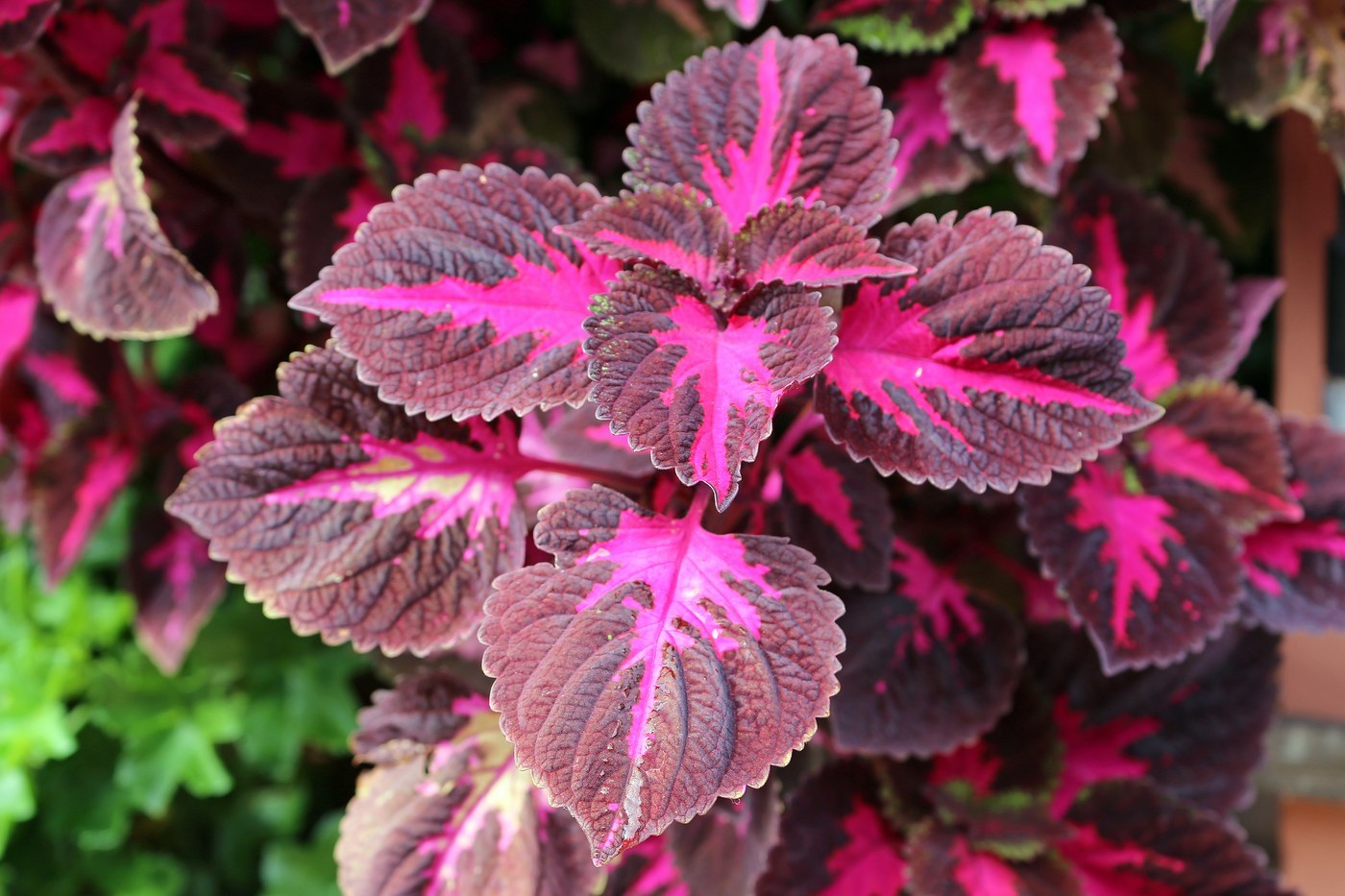
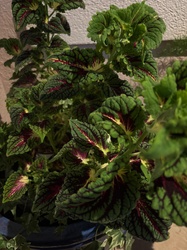
Coleus (Coleus scutellarioides) is grown for its spectacular, endlessly varied foliage in shades of chartreuse, burgundy, pink, and green, often patterned and ruffled. It is an easy, fast-growing plant that rewards a little pinching with dense, richly colored growth.
Light
Coleus thrives in bright indirect light indoors and part shade outdoors. Many modern varieties tolerate more sun, which intensifies leaf color, but harsh midday sun can scorch tender foliage, while deep shade dulls the colors and stretches the stems. Aim for bright, gently filtered light for the best balance.
Water
Keep the soil evenly moist but never waterlogged. Coleus wilts dramatically when it dries out, though it usually recovers once watered; repeated wilting weakens it, so check the top of the soil often and water before it dries completely. Reduce watering in cooler months when growth slows.
Soil & Potting
Use a rich, well-draining potting mix with plenty of organic matter and a slightly acidic to neutral pH. A good peat- or coir-based houseplant mix amended with perlite works well. Choose a pot with drainage holes, as standing water quickly causes root rot in this moisture-loving but rot-prone plant.
Humidity & Temperature
Coming from warm regions, Coleus prefers temperatures above about 15C and dislikes cold drafts, which cause leaf drop and stunting. It appreciates moderate to high humidity; in dry indoor air, group plants or use a pebble tray. Protect it from frost entirely, as even a light chill can damage the foliage.
Feeding
During the active growing season feed every few weeks with a balanced, water-soluble fertiliser at half to full strength to fuel continuous new growth. Foliage color can fade with too much nitrogen, so avoid overfeeding. Cut back or stop feeding in winter when growth naturally slows.
Propagation
Coleus is one of the easiest plants to propagate from stem cuttings. Snip a healthy 8-10 cm tip below a node, remove the lower leaves, and root it in water or moist mix within a couple of weeks. This is a great way to overwinter favorite varieties indoors and multiply your plants cheaply.
Repotting / Pruning
Pinch out the growing tips regularly to encourage branching and a bushy shape; the more you pinch, the fuller the plant. Remove flower spikes as they appear, since flowering diverts energy and can trigger decline. Repot when roots fill the container, moving up one pot size in fresh mix.
Common Problems & Pests
Watch for mealybugs, whiteflies, aphids, and spider mites, especially on indoor plants in dry air. Overwatering and poor drainage lead to root rot and stem collapse, while insufficient light causes leggy, pale growth. Good airflow, correct watering, and prompt cutting-back of weak stems keep plants healthy.
Seasonal Care Tips
Coleus grows lushly through the warm months, when it needs steady moisture, feeding, and pinching. As days shorten and temperatures fall, bring outdoor plants inside or take cuttings, since it will not survive frost. Slow watering and hold feeding through winter, then resume the routine as growth picks up in spring.
Frequently asked questions
Why is my Coleus losing its bright colors?
Faded color usually means the light is wrong, most often too little light, which dulls the patterns and stretches the stems. Too much nitrogen fertiliser can also mute colors. Move it to brighter, filtered light and ease off feeding.
Should I let my Coleus flower?
Most growers pinch off the small flower spikes. Flowering diverts energy away from the foliage and can cause the plant to decline, so removing the blooms keeps it fuller and more colorful for longer.
How do I make my Coleus bushier?
Pinch out the growing tips regularly. Each pinch encourages the plant to branch, so frequent pinching from a young age produces a dense, well-shaped plant instead of a leggy one.
My Coleus keeps wilting. What should I do?
Coleus wilts fast when the soil dries out. Keep the mix evenly moist and check it often, but ensure the pot drains freely, since constant sogginess causes root rot that also leads to wilting.
Coleus identified by the community
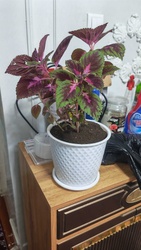
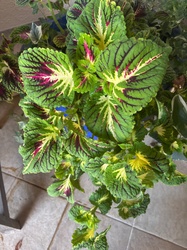
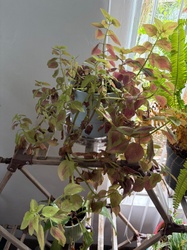
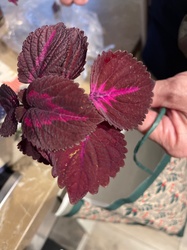
Recent Coleus specimens identified with Plant Identifier.