
How to Care for Corn Speedwell
Grow Corn Speedwell (Veronica arvensis), a tough little annual with tiny blue flowers that thrives in sun and shrugs off dry soil.
Read the full Corn Speedwell encyclopedia entry →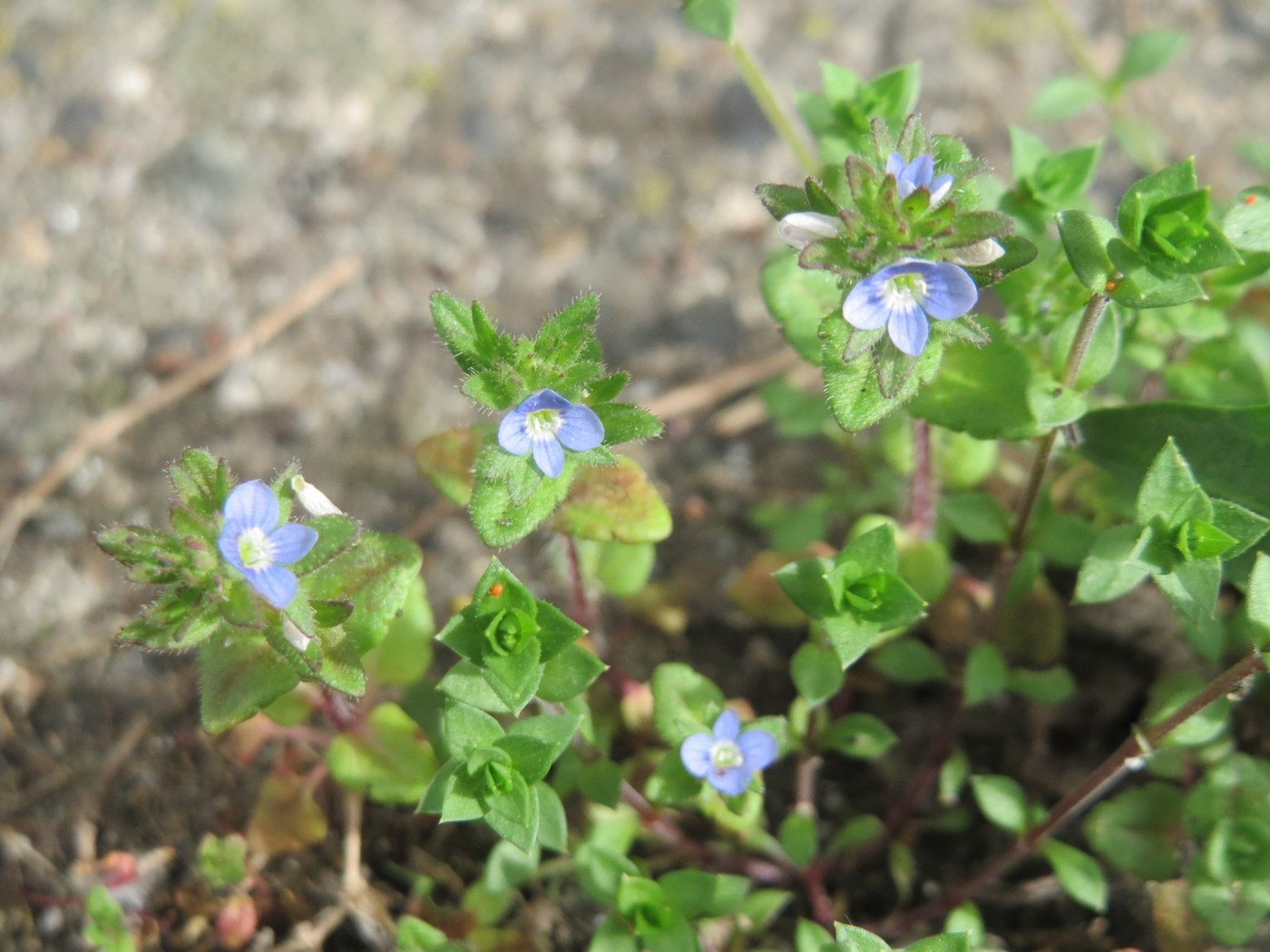
Corn Speedwell (Veronica arvensis) is a low, wiry annual prized in wildflower and cottage plantings for its miniature blue-to-lavender flowers and its willingness to grow almost anywhere. It is an easy, self-sufficient plant that asks for little beyond sun and reasonable drainage.
Light
Give Corn Speedwell full sun to partial shade. It flowers most freely and stays compact in bright, open sun, but it tolerates a few hours of afternoon shade without complaint. In deep shade the stems stretch and bloom sparsely.
Water
Watering needs are modest. Keep young seedlings evenly moist until established, then let the plant fend for itself with only occasional water. It tolerates dry soil well and dislikes standing wet, so err on the dry side once it is rooted in.
Soil & Potting
Almost any well-drained garden soil suits it, from lean sandy ground to average loam. It is unfussy about pH and actually prefers soils that are not overly rich. In containers, use a free-draining general potting mix and choose a shallow, wide pot to match its spreading, mat-forming habit.
Humidity & Temperature
This is a cool-season plant that germinates in fall or early spring and grows actively in mild temperatures. It handles frost and cold snaps easily and simply slows or dies back in summer heat. Ambient humidity is not a concern outdoors.
Feeding
Feeding is rarely needed and can make the plant floppy. If growing in poor soil, a single light dose of balanced fertilizer in early spring is plenty. In the garden it usually needs no supplemental feeding at all.
Propagation
Corn Speedwell reproduces readily from seed and often self-sows. Scatter seed on the surface of prepared soil in fall or early spring and press it in lightly, since it needs light and cool temperatures to germinate. Keep the surface just moist until sprouts appear.
Repotting / Pruning
As a short-lived annual it needs no repotting through seasons. Light shearing after the first flush of bloom can tidy the plant and encourage a second showing. Pull or thin volunteer seedlings if it spreads more than you want.
Common Problems & Pests
It is largely trouble-free. Overwatering or heavy, poorly drained soil is the main cause of decline, leading to yellowing and rot. In humid conditions watch for occasional powdery mildew; improve airflow and reduce overhead watering to prevent it. Pests are seldom a problem.
Seasonal Care Tips
Sow in fall for the earliest spring flowers, or in early spring for a later show. Enjoy the bloom in cool weather, then allow plants to set seed and fade as summer heat arrives. Leave some seed heads if you want it to return the following year.
Frequently asked questions
How much sun does Corn Speedwell need?
Full sun to partial shade. It blooms best and stays compact in bright sun but tolerates a few hours of afternoon shade.
How often should I water it?
Sparingly once established. Keep seedlings moist, then water only occasionally; it tolerates dry soil and dislikes soggy ground.
Will Corn Speedwell come back each year?
It is an annual, but it self-sows freely, so it often reappears from dropped seed if you leave some seed heads to mature.
Does it need fertilizer?
Rarely. It prefers lean soil; too much feeding makes it floppy. One light spring feeding is enough only in very poor ground.