How to Care for Cosmos
Easy, sun-loving cosmos bloom for months on lean soil with minimal watering; deadhead for endless daisy-like flowers.
Read the full Cosmos encyclopedia entry →
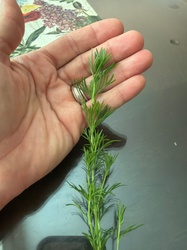
Cosmos (Cosmos bipinnatus) is a cheerful, easy-going annual prized for its airy, feathery foliage and profuse daisy-like blooms in pink, white, and magenta. It is one of the most forgiving flowers to grow and rewards a bit of neglect with months of color.
Light
Cosmos demands full sun, a minimum of 6 hours of direct light daily and ideally more. In too much shade it grows tall and leggy, flops over, and produces few flowers. A hot, open, sunny spot brings out the best flowering and sturdiest stems.
Water
Cosmos is notably drought-tolerant once established. Water young seedlings regularly until they take hold, then water only occasionally during dry spells, letting the soil dry between drinks. Overwatering encourages lush foliage at the expense of flowers, so err on the dry side with established plants.
Soil & Potting
Cosmos actually prefers lean, well-drained soil. Rich, heavily fertilized ground produces leggy plants with abundant leaves but sparse blooms. Any average garden soil with good drainage works; in containers use a free-draining potting mix and a pot at least 30 cm (12 inches) deep to support the tall root system.
Humidity & Temperature
Warm-season plants, cosmos thrive in typical summer heat and tolerate dry air well. They are frost-tender, so plant out only after the last frost. They handle heat gracefully and are unbothered by low humidity.
Feeding
Feed sparingly or not at all. Cosmos flower best in poor soil; excess fertilizer, especially nitrogen, delays and reduces blooming while causing floppy growth. If soil is extremely poor, a single light dose of a low-nitrogen, bloom-boosting feed early in the season is sufficient.
Propagation
Grow cosmos from seed, which is remarkably easy. Sow directly into warm soil after frost, barely covering the seeds, or start indoors a few weeks before transplanting. Germination takes 7-10 days. Cosmos also self-seed freely, often reappearing the following year.
Repotting / Pruning
Pinch the growing tips of young plants when they reach 30 cm tall to encourage branching and more blooms. Deadhead spent flowers regularly to prolong flowering through the season. Tall varieties may need staking or support in windy sites.
Common Problems & Pests
Cosmos are largely trouble-free. Aphids can gather on new growth, and occasional issues include powdery mildew in crowded, humid conditions and gray mold on old flowers. Space plants for airflow and remove faded blooms. Floppy, flowerless plants almost always indicate too much shade, water, or fertility.
Seasonal Care Tips
Sow in late spring once soil warms, and enjoy blooms from summer into autumn until frost. Deadhead through the season to keep flowers coming, and leave a few late blooms to set seed if you want volunteers next year. Pull plants after the first hard frost blackens them.
Frequently asked questions
Why is my cosmos tall and floppy with few flowers?
This usually means too much shade, water, or fertilizer. Cosmos bloom best in full sun and lean, dry soil, so cut back on feeding and give it more light.
How often should I water cosmos?
Water seedlings regularly until established, then only occasionally during dry spells. Mature cosmos are drought-tolerant and prefer to dry out between waterings.
Should I fertilize cosmos?
Little to none. Rich soil produces leaves instead of flowers. Cosmos flower most abundantly in poor, lean soil, so skip or minimize feeding.
How do I get more blooms from cosmos?
Grow in full sun, pinch young plants to encourage branching, and deadhead spent flowers regularly to keep new blooms forming all season.
Will cosmos come back next year?
Cosmos are annuals, but they self-seed readily. Leave a few late flowers to drop seed and you'll often see volunteers reappear the following spring.
Cosmos identified by the community
Recent Cosmos specimens identified with Plant Identifier.