
How to Care for Daffodil
Daffodils are easy, reliable spring bulbs: plant in autumn, give sun and good drainage, and let the foliage fade naturally after bloom.
Read the full Daffodil encyclopedia entry →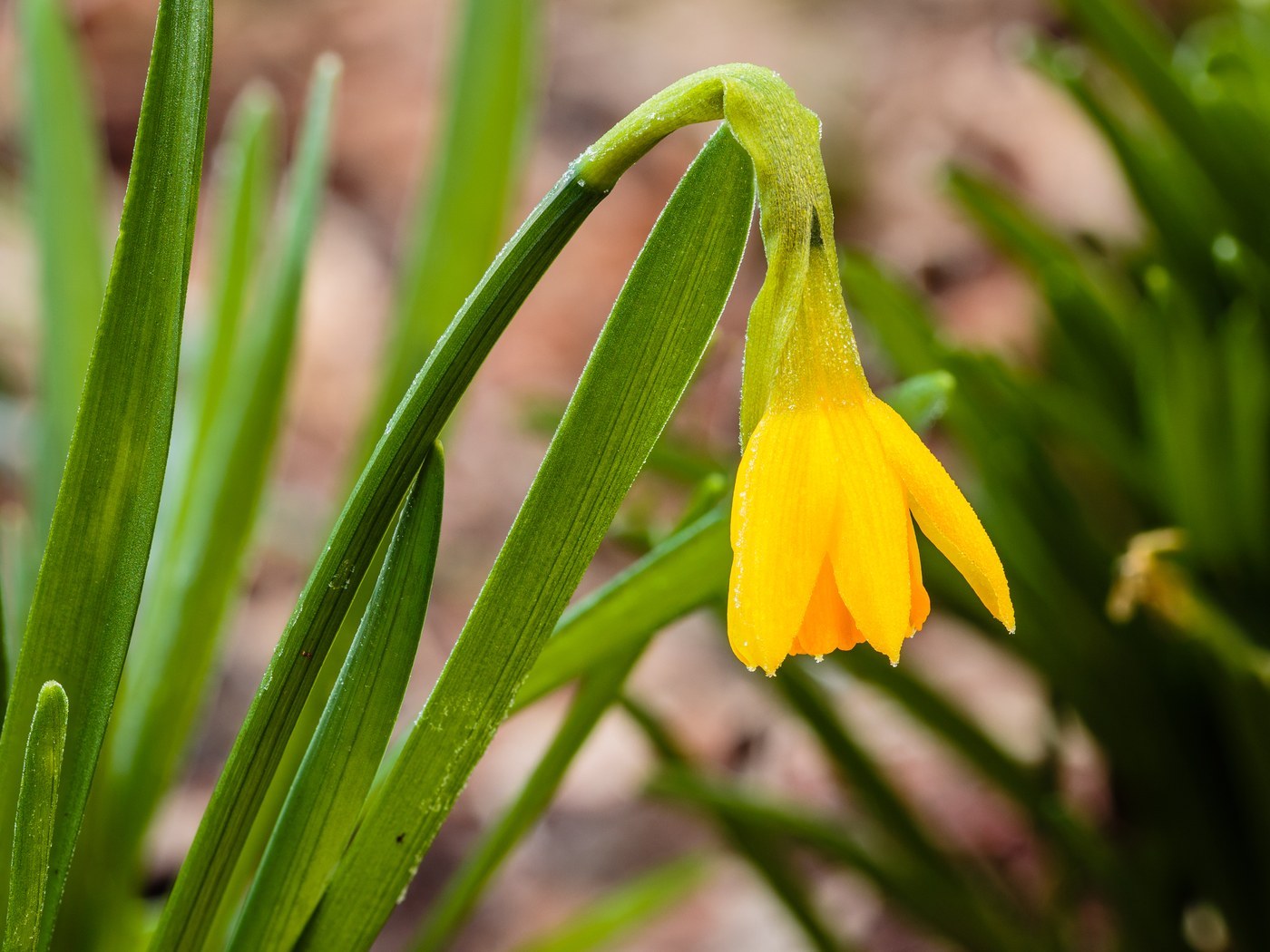
Daffodils (Narcissus) are among the easiest and most dependable spring-flowering bulbs, producing cheerful trumpet or cup blooms in yellow, white, cream, and orange atop strappy foliage. Planted once in autumn, they return and multiply for years with almost no effort.
Light
Daffodils bloom best in full sun to partial shade. They flower most freely with plenty of spring sunlight, and because they bloom before deciduous trees fully leaf out, they succeed under and around them. Too much dense summer shade weakens the bulbs and reduces future flowering, so give the foliage good light while it lasts.
Water
Water moderately during active growth from autumn rooting through spring flowering, keeping the soil moist but never waterlogged. After the leaves yellow and the bulbs enter summer dormancy, keep them on the dry side; wet soil during dormancy is the surest way to rot the bulbs. This wet-in-growth, dry-in-dormancy rhythm matches their natural cycle.
Soil & Potting
Good drainage is the single most important requirement. Plant in fertile, well-drained soil; heavy, waterlogged ground rots bulbs. Plant bulbs pointed end up, roughly two to three times as deep as the bulb is tall. A near-neutral to slightly acidic pH suits them. In containers, use a free-draining mix and ensure ample drainage holes.
Humidity & Temperature
Daffodils are hardy and need a cold winter dormancy to trigger spring flowering, so they suit temperate climates. They tolerate frost well once planted. In warm-winter regions, bulbs may need pre-chilling before planting to bloom properly. Ambient humidity is unimportant.
Feeding
Feed with a low-nitrogen, higher-phosphorus/potassium bulb fertilizer at planting and again as shoots emerge in spring, and after flowering to help the bulb rebuild for next year. Excess nitrogen encourages leaves over flowers. A light topdressing of compost also helps naturalized clumps stay vigorous.
Propagation
Daffodils multiply naturally by producing offset bulbs. Lift and divide congested clumps once the foliage has died down in early summer, separating the offsets and replanting them at the proper depth. Growing from seed is possible but takes several years to reach flowering size, so division is the practical method.
Repotting / Pruning
After flowering, deadhead spent blooms to stop seed formation, but never cut or tie the leaves down; let them yellow and wither naturally for at least six weeks so the bulb can recharge. Divide overcrowded clumps every few years when flowering declines. Refresh potted bulbs after their dormant period.
Common Problems & Pests
The classic problem is 'blindness', clumps that produce only leaves and no flowers, usually from overcrowding, too much shade, or foliage cut back too early. Divide congested bulbs and let leaves die back naturally. Narcissus bulb fly and basal rot can damage bulbs, both worsened by poor drainage; discard soft, rotten bulbs and plant in well-drained sites.
Seasonal Care Tips
Plant bulbs in autumn while the soil is still workable so they root before winter. Enjoy the spring display, deadhead spent flowers, and feed after bloom. Allow foliage to yellow and die back fully before tidying. Keep bulbs dry through summer dormancy, and divide clumps in early summer if they have become crowded.
Frequently asked questions
Why do my daffodils produce leaves but no flowers?
This 'blindness' usually comes from overcrowded bulbs, too much shade, or foliage removed too soon last year. Lift and divide congested clumps, give more sun, and always let leaves die back naturally.
When can I cut back daffodil leaves?
Wait until the foliage has yellowed and withered on its own, at least six weeks after flowering. The leaves recharge the bulb for next year, so cutting or tying them early weakens future blooms.
When should I plant daffodil bulbs?
Plant in autumn, before the ground gets cold, so bulbs establish roots ahead of winter. Set them pointed end up at about two to three times their own depth in well-drained soil.
Why did my daffodil bulbs rot?
Rot is nearly always caused by wet soil, especially during summer dormancy. Plant in free-draining ground, avoid overwatering, and keep dormant bulbs dry to prevent basal rot.