How to Care for Deutzia
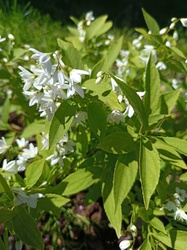
Grow Deutzia gracilis, an easy deciduous shrub that erupts in clouds of small white spring flowers on gracefully arching branches.
Read the full Deutzia encyclopedia entry →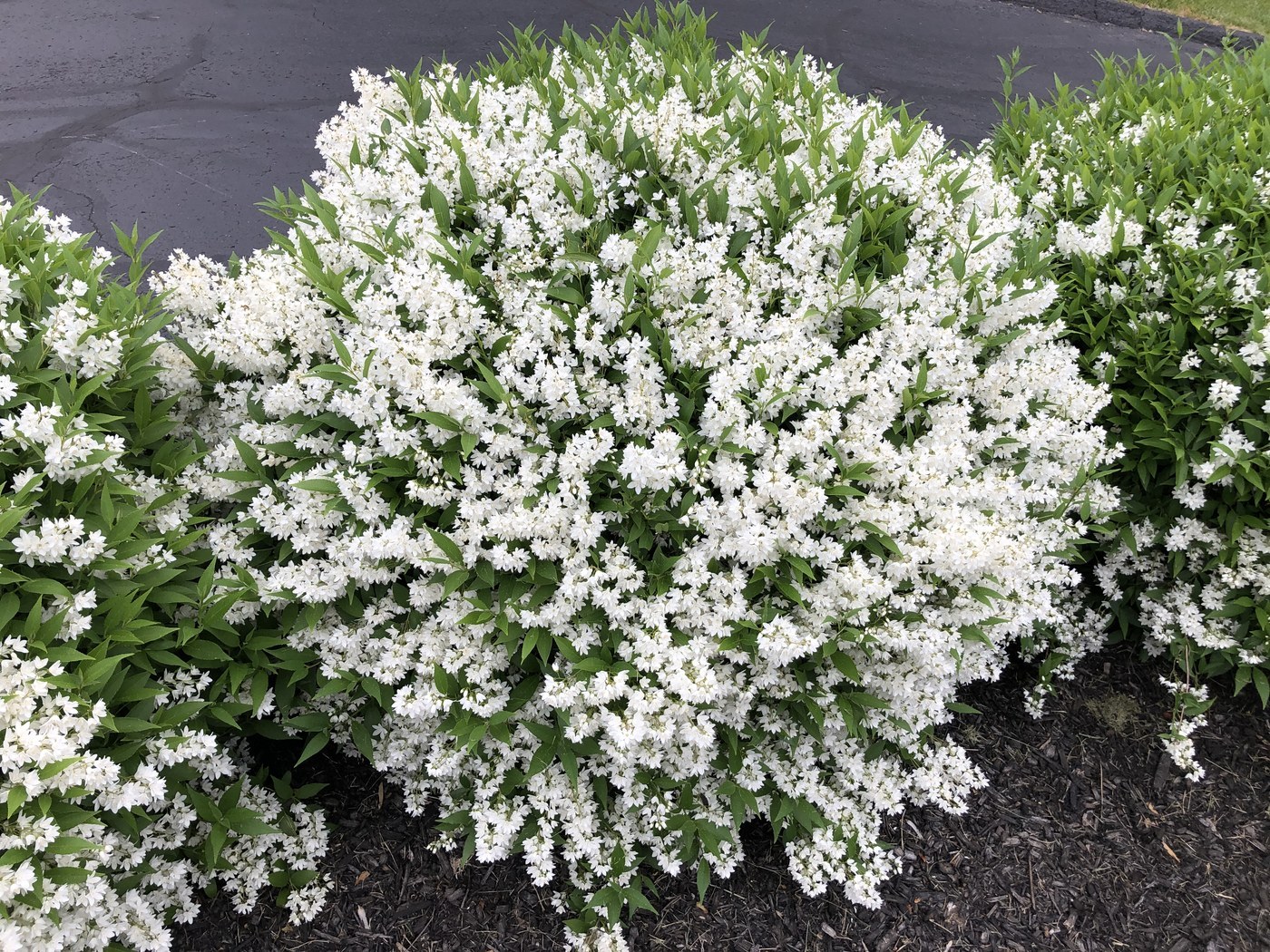
Deutzia (Deutzia gracilis) is a low, mounding deciduous shrub grown for its profuse clusters of small white flowers on slender, arching stems in spring. It is an easygoing, reliable landscape shrub that rewards minimal care with a heavy bloom.
Light
Deutzia flowers best in full sun but also performs well in partial shade, making it versatile in mixed borders. In hot climates a little afternoon shade helps keep foliage fresh, while in cooler regions full sun maximizes flowering. Too much shade reduces bloom and produces a looser, floppier habit.
Water
Keep the soil evenly moist, especially during the first year while the shrub establishes and during dry summer stretches. Deutzia prefers consistent, medium moisture and does not like to dry out completely or sit in soggy ground. A layer of mulch helps hold moisture and moderate soil temperature.
Soil & Potting
Deutzia adapts to most average garden soils but does best in fertile, well-draining loam with a neutral to slightly acidic pH. Work in organic matter at planting to improve structure and moisture retention. Ensure the site drains freely, as prolonged wet feet can lead to root problems.
Humidity & Temperature
This is a cold-hardy, temperate shrub that handles a wide range of climates and appreciates the natural humidity of most garden settings. It needs a period of winter chill for its best spring flower display and tolerates cold winters well once established. No special humidity measures are needed.
Feeding
Feed lightly in early spring with a balanced, slow-release fertilizer or a top-dressing of compost as new growth begins. Deutzia is not a heavy feeder; excessive fertilizer promotes leafy growth at the expense of flowers. An annual compost mulch is often all it needs.
Propagation
Deutzia is easily propagated from softwood cuttings taken in early summer or hardwood cuttings in late fall. Root cuttings in a moist, well-draining medium with high humidity until established. Established clumps can also be divided or layered, where a low branch is pinned to the soil until it roots.
Repotting / Pruning
Prune immediately after flowering, since Deutzia blooms on the previous year's wood and pruning later removes next spring's flower buds. Remove a portion of the oldest stems at the base each year to renew the shrub and keep it vigorous and open. Overgrown plants respond well to hard rejuvenation pruning done right after bloom.
Common Problems & Pests
Deutzia is largely trouble-free and rarely bothered by serious pests. Occasional issues include leaf spot or powdery mildew in humid, crowded conditions, so provide good air circulation. Root rot can occur in waterlogged soil. Sparse flowering usually traces to too much shade or mistimed pruning.
Seasonal Care Tips
Enjoy the flush of white bloom in spring, then prune and shape right afterward. Feed and refresh mulch in early spring. Keep the shrub watered through summer dry spells. In fall the plant goes dormant and needs no special protection in most temperate gardens.
Frequently asked questions
When does Deutzia bloom?
Deutzia flowers in spring, covering its arching branches with clusters of small white flowers on the previous season's wood.
When should I prune Deutzia?
Prune right after flowering. Because it blooms on old wood, pruning in late summer, fall, or winter removes next spring's flower buds.
Does Deutzia need full sun?
It flowers best in full sun but tolerates part shade. In hot climates a bit of afternoon shade keeps the foliage looking fresh.
How do I keep an old Deutzia vigorous?
Remove a few of the oldest stems at the base each year right after bloom. Badly overgrown shrubs can be cut back hard just after flowering to rejuvenate.
Deutzia identified by the community
Recent Deutzia specimens identified with Plant Identifier.