
How to Care for Devils Ivy
Devils Ivy (Epipremnum aureum) is a near-indestructible trailing vine that thrives from low light to bright indirect light with easy watering.
Read the full Devils Ivy encyclopedia entry →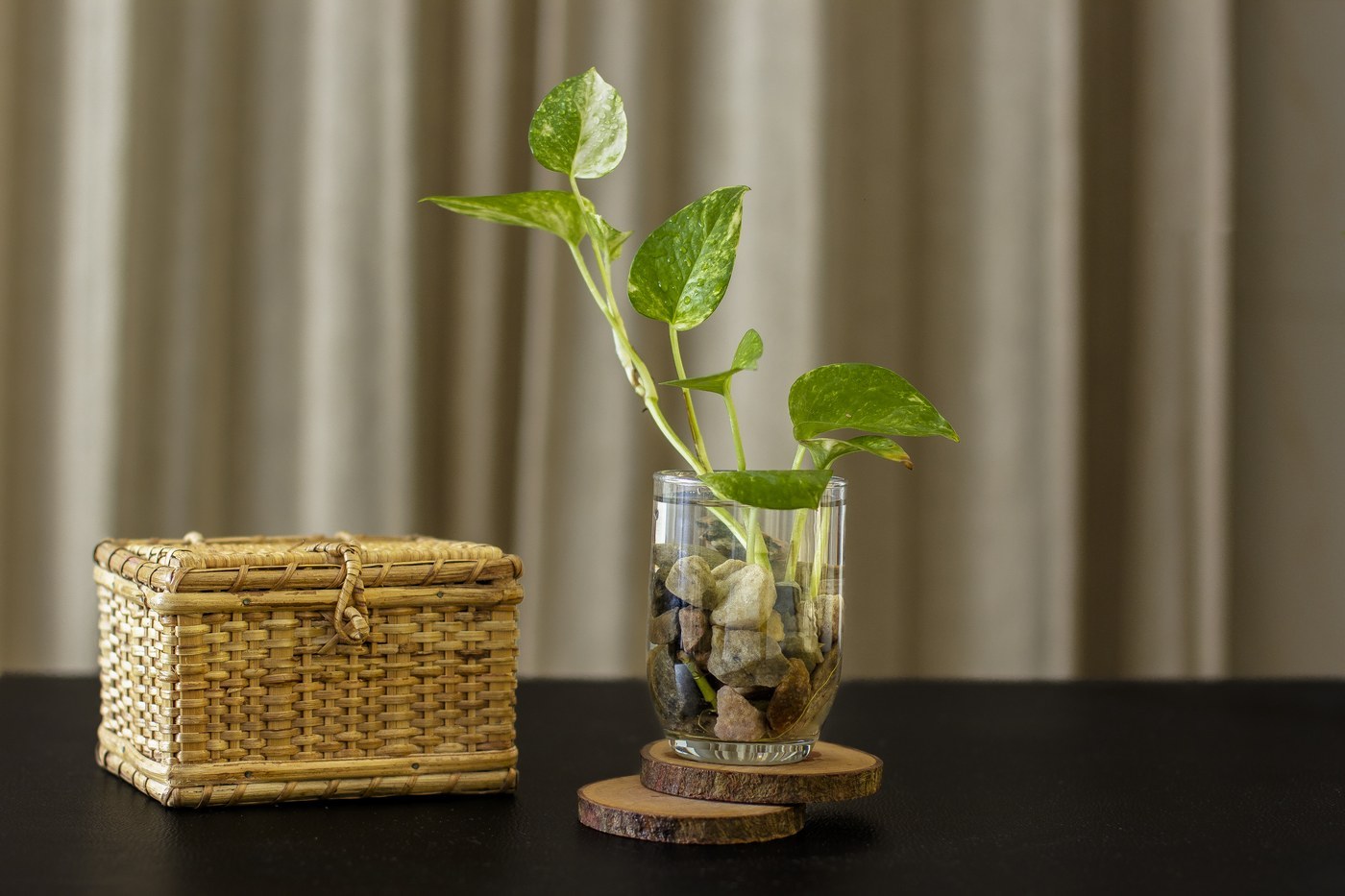
Devils Ivy (Epipremnum aureum), also called pothos, is one of the most forgiving houseplants you can grow. Its trailing, heart-shaped leaves, often splashed with gold, cream, or white, make it ideal for shelves, hanging baskets, or climbing a moss pole.
Light
Devils Ivy tolerates a wide range, from low light to bright indirect light, which is a big part of its reputation for being unkillable. Bright, indirect light produces the fullest growth and the boldest variegation. In low light the plant survives but grows more slowly, and heavily variegated forms may revert toward plainer green. Avoid harsh direct sun, which can scorch the leaves.
Water
Water when the top inch of soil dries out. Then water thoroughly until it drains from the bottom, and empty the saucer. Devils Ivy is more tolerant of occasional dryness than of constant sogginess, so err on the drier side. Drooping, limp leaves usually signal thirst and perk up quickly after watering, while yellowing lower leaves often point to overwatering.
Soil & Potting
Use a well-draining, general-purpose potting mix. Adding perlite, orchid bark, or coco coir improves aeration and helps prevent compaction. Always use a pot with drainage holes. Devils Ivy adapts well to most container sizes and can also be grown long-term in plain water if roots are established in it, though soil-grown plants are sturdier.
Humidity & Temperature
Average household conditions suit it well. It prefers temperatures around 65-85F (18-29C) and dislikes cold drafts or exposure below about 50F (10C). It tolerates ordinary indoor humidity but appreciates a bit more moisture in the air, which can encourage larger leaves. Keep it away from cold windows in winter and hot air vents.
Feeding
Feed with a balanced liquid houseplant fertilizer diluted to half strength about once a month during spring and summer. Reduce or stop feeding in fall and winter when growth naturally slows. Devils Ivy is not a heavy feeder, so light, regular feeding is plenty.
Propagation
Propagation could not be simpler. Cut a stem section with at least one node (the small bump where a leaf meets the stem, sometimes with an aerial root), and place it in water or moist soil. Roots emerge from the nodes within a couple of weeks. Once water-rooted cuttings have an inch or two of roots, pot them up, or plant several cuttings together for a fuller pot.
Repotting / Pruning
Repot every year or two, or when roots circle the pot or push out the drainage holes, moving up one pot size. Prune anytime to control length and encourage bushiness; cut just above a node and the stem will branch. Regular trimming keeps the plant from becoming sparse and bare at the top, and the cuttings can be rooted for more plants.
Common Problems & Pests
Yellow leaves most often indicate overwatering or roots sitting in water; let the mix dry more between waterings. Brown, crispy leaf edges suggest very dry air or inconsistent watering. Loss of variegation points to insufficient light. Pests are uncommon but can include mealybugs, spider mites, and scale; wipe leaves and treat with insecticidal soap if they appear.
Seasonal Care Tips
In spring and summer, expect active growth: water a little more often, feed monthly, and prune to shape. In fall and winter, growth slows, so water less frequently and pause fertilizer. If your home gets dim in winter, move the plant closer to a window to maintain healthy growth and variegation.
Frequently asked questions
Can Devils Ivy really grow in low light?
Yes. It tolerates low light better than almost any houseplant, which is why it is so popular. It grows fastest and keeps the brightest variegation in bright indirect light, but it will survive and stay attractive in dimmer spots.
Why are the leaves on my Devils Ivy turning yellow?
Yellowing lower leaves usually mean overwatering or soil staying too wet. Let the top inch dry before watering again and make sure the pot drains freely. An occasional old yellow leaf, though, is normal.
How do I make my Devils Ivy fuller instead of long and bare?
Prune the trailing stems just above a leaf node to encourage branching, and plant several rooted cuttings back into the same pot. Giving it brighter indirect light also promotes denser, leafier growth.
Can I grow Devils Ivy in just water?
Yes, a cutting or established plant can live long-term in a jar of water if you refresh the water regularly. Soil-grown plants are generally more robust, but water culture works well for a low-maintenance display.