
Devils Ivy Identification Guide
Identify Devil's Ivy (Epipremnum aureum, golden pothos) by its glossy heart-shaped leaves marbled with yellow and its easygoing trailing or climbing vines.
Read the full Devils Ivy encyclopedia entry →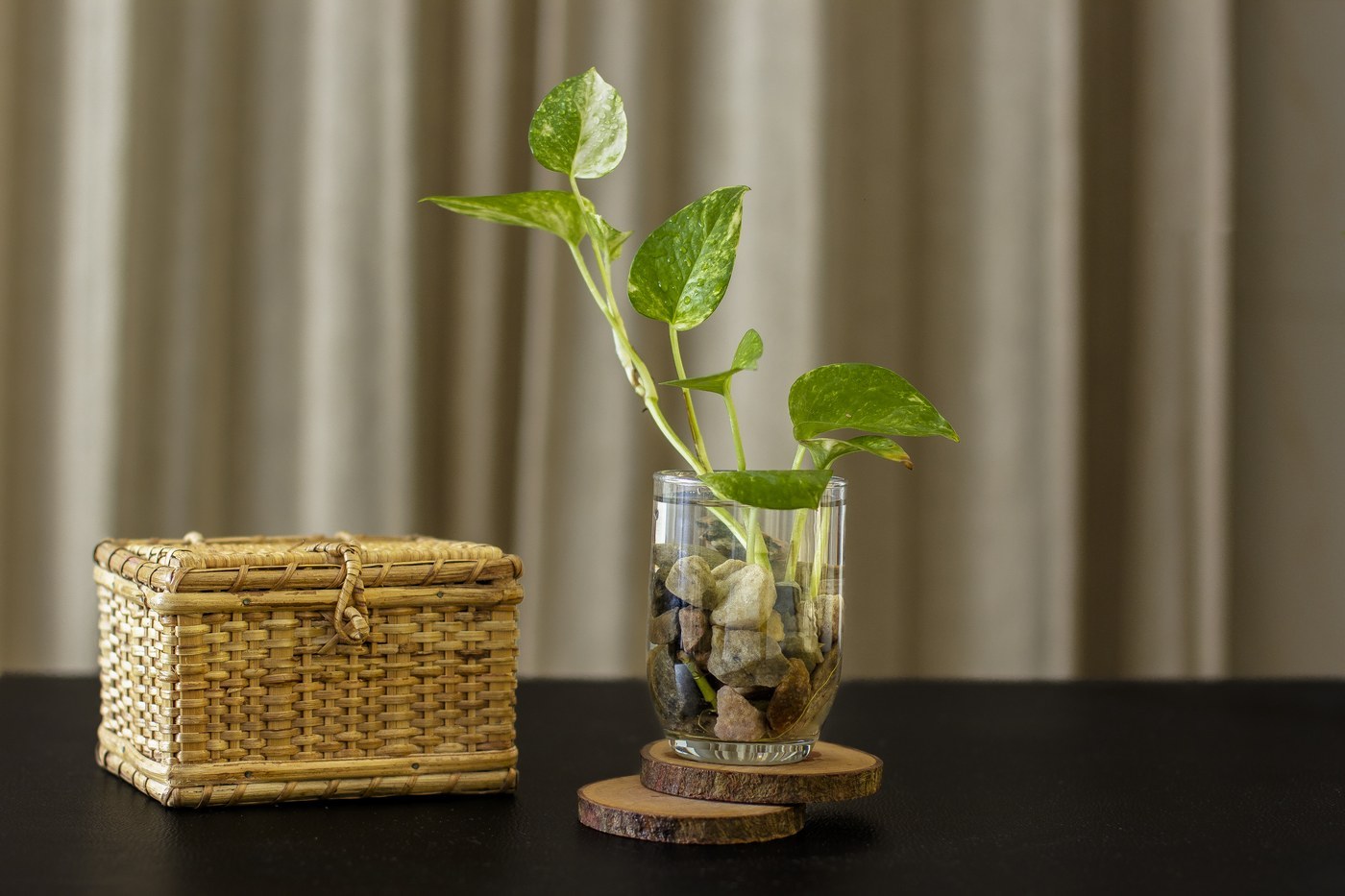
Key Identifying Features
Devil's Ivy (Epipremnum aureum), better known as golden pothos, is one of the most common houseplants worldwide. Identify it by glossy, thick, heart-shaped leaves marbled with yellow, cream or chartreuse on trailing or climbing vines.
- Glossy heart-shaped leaves with a pointed tip
- Marbled variegation — irregular yellow/cream streaks and splashes
- Thick, waxy, slightly leathery leaf texture
- Vigorous trailing or climbing vine, one leaf per node
Leaves & Stems
Leaves on a typical hanging plant are 8–15 cm long, but on a climbing vine up a moss pole they enlarge dramatically and may develop splits and holes (fenestrations), sometimes confusing people into thinking it is a monstera. The leaf base is heart-shaped and the surface waxy-glossy. Stems are green to yellowish, flexible, and root readily at the nodes via small aerial roots. Popular cultivars help ID: 'Golden' (yellow marbling), 'Marble Queen' (heavy white-cream), 'Neon' (solid lime-green), and 'N'Joy'/'Pearls and Jade' (crisp white sectors).
Flowers & Fruit
Indoors it never flowers — the plant is locked in its juvenile phase. In rare mature tropical specimens an aroid spathe forms, but flowers are useless for ID here.
How to Tell It Apart from Look-Alikes
- vs. Heartleaf Philodendron (Philodendron hederaceum): philodendron leaves are thinner, softer, matte, and more uniformly heart-shaped, and new leaves emerge from a papery sheath; pothos leaves are thicker, glossier, slightly asymmetrical, and new leaves unfurl from the previous leaf, not a sheath
- vs. Satin/Silver Pothos (Scindapsus): that has matte leaves with silver markings, not glossy yellow
- vs. Monstera: monstera is a large, self-heading plant with consistently fenestrated leaves; pothos only fenestrates when mature and climbing
A quick check: pothos petioles have a slight groove and the leaf feels stiff and waxy; philodendron petioles are rounder and the leaf is thin and floppy.
Where You'll Find It
Ubiquitous in homes, offices and shopping centers, trailing from shelves or climbing poles. Native to the Society Islands (French Polynesia) and naturalized across the tropics, where it climbs tree trunks high into the canopy.
Quick ID Checklist
- Thick, glossy, heart-shaped leaves
- Irregular yellow/cream/white marbled variegation
- New leaf unfurls from previous leaf (no sheath)
- Trailing or climbing vine rooting at nodes
- Slightly asymmetrical leaf vs. perfectly even philodendron
Frequently asked questions
How do I tell Devil's Ivy from a heartleaf philodendron?
Devil's Ivy (pothos) leaves are thicker, glossier and slightly asymmetrical, and new leaves unfurl from the prior leaf. Philodendron leaves are thinner and matte, with new leaves emerging from a papery sheath.
Is Devil's Ivy the same as golden pothos?
Yes. Devil's Ivy, golden pothos and Epipremnum aureum all refer to the same species; the names are interchangeable.
Why does my Devil's Ivy have holes in its leaves like a monstera?
When pothos climbs and matures, leaves enlarge and can develop natural splits and holes (fenestrations). It is still pothos, not monstera.
What does the 'Neon' or 'Marble Queen' name mean?
Those are cultivars of the same species — 'Neon' is solid lime-green and 'Marble Queen' has heavy white-cream variegation. The heart shape and growth habit confirm the species.