
How to Care for Diascia
Care guide for Diascia (Diascia barberae), a free-flowering trailing plant covered in soft coral, pink, and apricot blooms all season.
Read the full Diascia encyclopedia entry →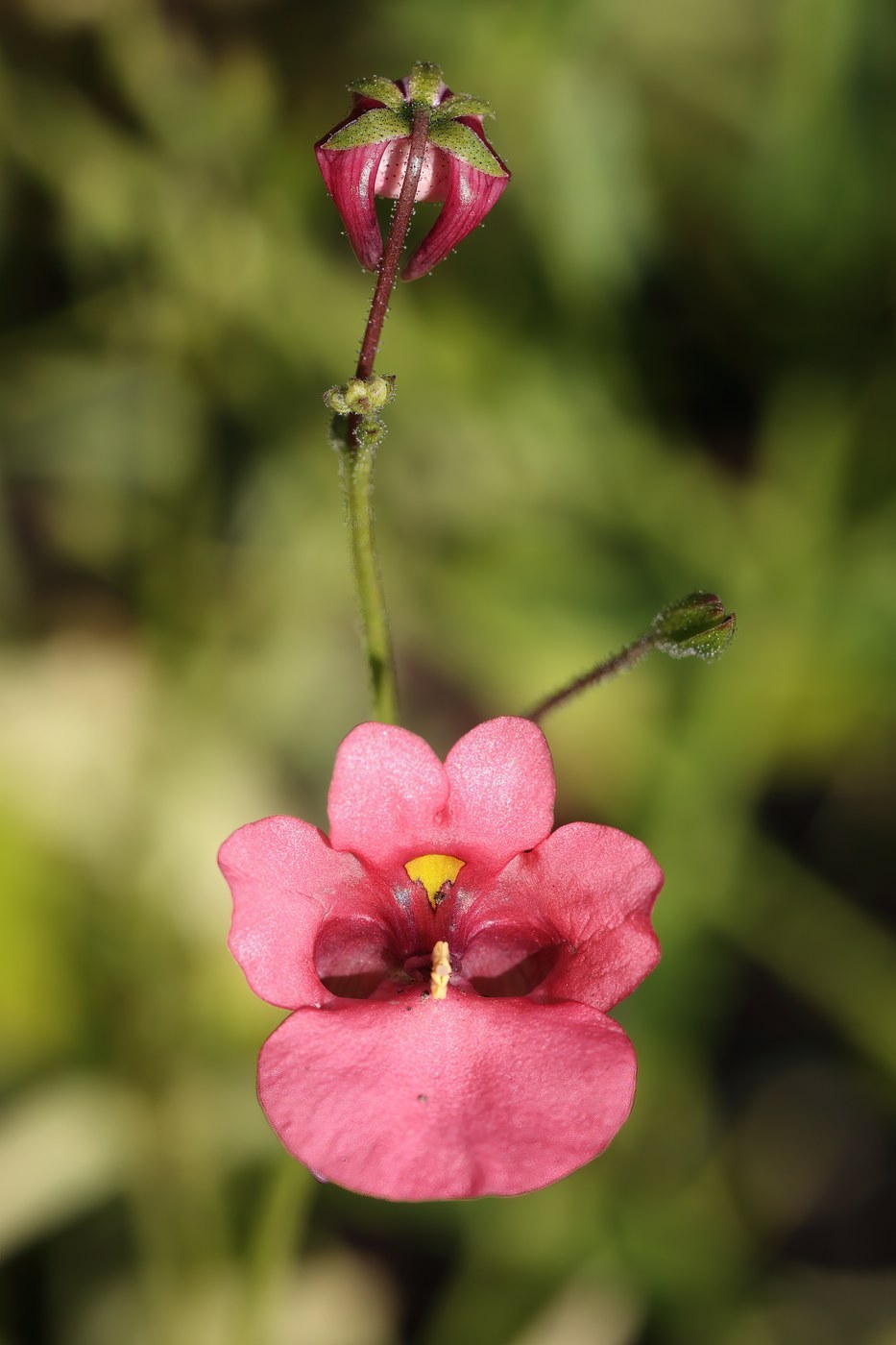
Diascia, sometimes called twinspur, is a low, spreading South African plant beloved for its profusion of dainty coral, pink, and apricot flowers. It is easy to grow and blooms tirelessly, making it a star of containers, hanging baskets, and the front of borders.
Light
Grow Diascia in full sun to part shade. Full sun gives the heaviest flowering in mild climates, while in hot summer areas light afternoon shade helps keep the plant cool and blooming. Deep shade thins the flowers and encourages weak, leggy stems.
Water
Keep the soil evenly and regularly moist. Diascia has a relatively shallow root system and dislikes drying out completely, so consistent watering is key, especially in containers and baskets that dry quickly. At the same time, avoid waterlogging; the aim is steady moisture in freely draining soil.
Soil & Potting
Use fertile, moisture-retentive but well-drained soil. In pots and baskets, a good-quality potting mix with added compost holds moisture while draining excess. Slightly acidic to neutral soil suits it. Ensure containers drain freely so the roots never sit in standing water.
Humidity & Temperature
Diascia thrives in mild, cool-to-moderate temperatures and often slows or pauses flowering during intense summer heat, resuming as conditions cool. It appreciates good air circulation and does not need added humidity. In frost-prone regions it is usually grown as a warm-season annual or overwintered in a sheltered, frost-free spot.
Feeding
Because it flowers so heavily, Diascia benefits from regular feeding. Apply a balanced liquid fertilizer every couple of weeks through the growing season, or incorporate a slow-release feed at planting. Container plants especially need this steady nutrition to sustain nonstop bloom.
Propagation
Diascia is easily propagated from softwood stem cuttings taken in late summer, which root readily in a moist, gritty mix and provide young plants to overwinter. It can also be grown from seed sown in spring. Pinching the tips of young plants encourages bushy, well-branched growth.
Repotting / Pruning
If a plant becomes tired or stops blooming in midsummer heat, shear it back by about a third to rejuvenate it and prompt a fresh flush of flowers. Deadheading or light trimming keeps it tidy and free-flowering. Refresh container soil each season, and pot up rooted cuttings into fresh mix as they grow.
Common Problems & Pests
Diascia is generally healthy. The main risks are root rot from waterlogged soil and stress from drying out completely, both of which cause leaf drop and poor flowering. Aphids may gather on soft new shoots and can be rinsed off or treated with insecticidal soap. Good drainage and air movement prevent most issues.
Seasonal Care Tips
Plant out after the last frost for a long spring-to-autumn display. Feed and water regularly through the growing season. Shear back midseason if heat pauses the bloom, and it will rebound as temperatures ease. Take cuttings in late summer to carry plants over winter, and protect stock plants from frost.
Frequently asked questions
Why did my Diascia stop flowering in summer?
Diascia dislikes intense heat and often pauses blooming during hot spells. Shear it back by about a third, keep it watered and lightly fed, and it will flush again as the weather cools.
Is Diascia good for hanging baskets?
Yes. Its low, trailing habit and constant flowers make it ideal for baskets and containers. Just water consistently, since baskets dry out fast and Diascia dislikes drying out completely.
How do I keep Diascia over winter?
In frost-prone areas take softwood cuttings in late summer and overwinter the rooted young plants in a frost-free spot, or move container plants to shelter. It is often treated as a warm-season annual.
How often should I feed Diascia?
Because it blooms so heavily, feed every couple of weeks with a balanced liquid fertilizer during the growing season, or use a slow-release feed at planting, especially for container plants.