
How to Care for Dracaena
Grow Dracaena as a low-maintenance foliage houseplant with strappy leaves, tolerating a range of light and infrequent watering.
Read the full Dracaena encyclopedia entry →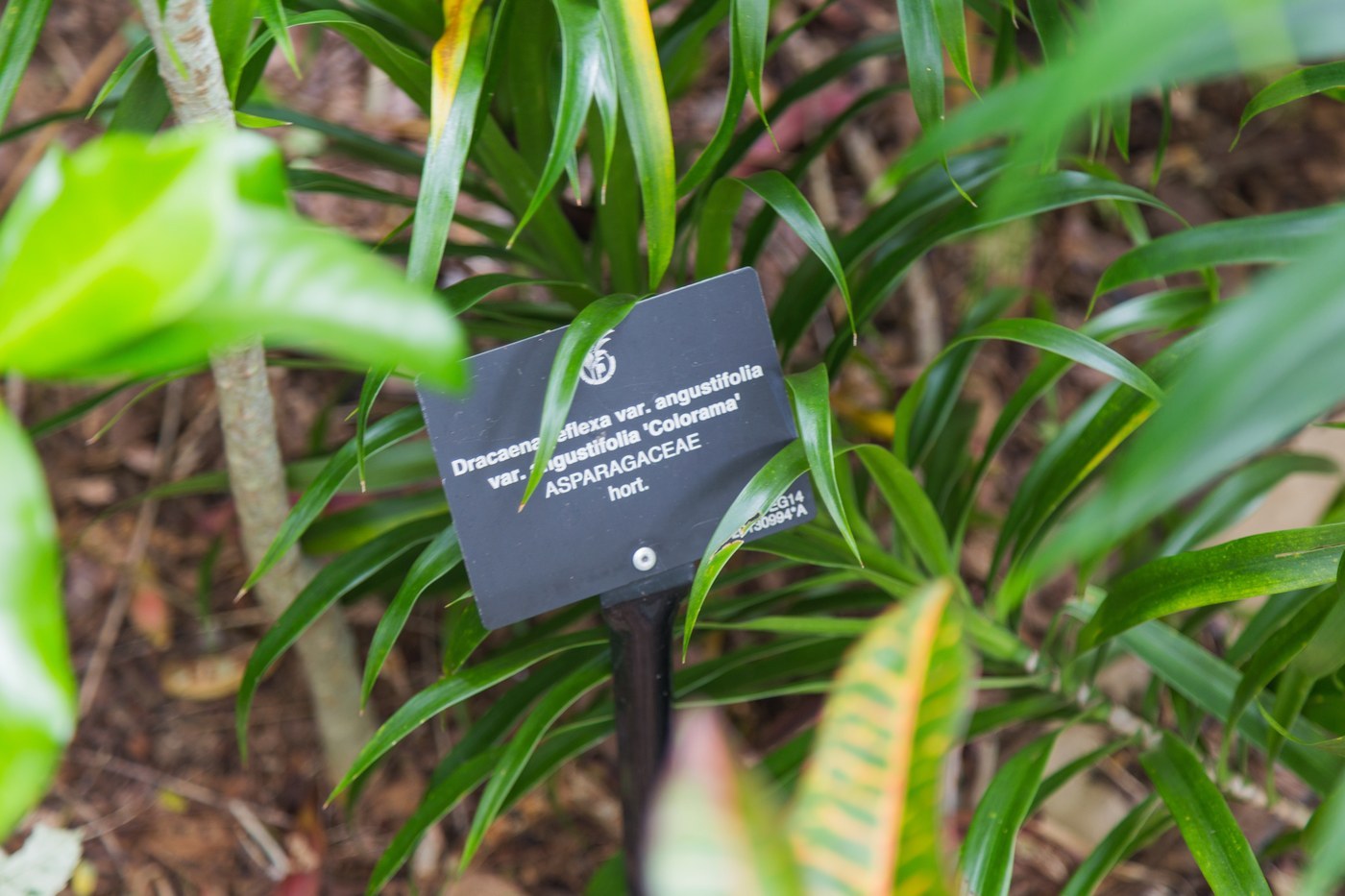
Dracaena is a large group of popular foliage houseplants grown for their bold, strappy leaves and easygoing nature. Whether upright cane types or bushy rosettes, they adapt to a range of indoor conditions and forgive occasional neglect, making them reliable choices for beginners.
Light
Dracaenas grow best in bright, indirect light, which keeps variegation vivid and growth steady. Most tolerate lower light, though growth slows and colorful markings fade. Keep them out of intense direct sun, which scorches the foliage. Rotate the plant occasionally so it grows evenly toward the light.
Water
Water when the top half of the soil has dried out, then water thoroughly and let it drain. Dracaenas are sensitive to overwatering and prefer to run slightly dry rather than stay soggy. Reduce watering in winter. Many types are also sensitive to fluoride and salts in tap water, which can brown leaf tips; using filtered or rainwater helps.
Soil & Potting
Use a well-draining, general-purpose potting mix, ideally amended with perlite or bark for aeration. A pot with drainage holes is essential to prevent root rot. Dracaenas prefer a slightly loose, chunky mix over dense, water-retentive soil.
Humidity & Temperature
Dracaenas tolerate average household humidity but appreciate slightly higher moisture, which reduces leaf-tip browning. Keep them in warm, stable room temperatures and away from cold drafts, heating vents, and sudden temperature swings. They are frost-tender and should stay indoors in cool climates.
Feeding
Feed with a balanced, diluted liquid fertilizer monthly during spring and summer. Dracaenas are light feeders, so avoid over-fertilizing, which can cause salt buildup and leaf-tip burn. Stop feeding in fall and winter when growth slows.
Propagation
Dracaenas propagate easily from stem cuttings. Cut a section of cane, let the ends callus briefly, and root it in water or moist mix; top cuttings with leaves root readily too. The remaining stump often resprouts new shoots, letting you multiply and reshape leggy plants at once.
Repotting / Pruning
Repot every couple of years or when rootbound, moving up one pot size in spring. Dracaenas tolerate being slightly rootbound. Prune tall, leggy canes to control height and encourage branching; new growth emerges just below the cut. Remove brown lower leaves as they age to keep the plant tidy.
Common Problems & Pests
Brown leaf tips are common and usually caused by dry air, inconsistent watering, or fluoride and salts in tap water. Yellowing, drooping leaves often signal overwatering. Watch for spider mites, mealybugs, and scale, especially in dry conditions; wipe foliage and treat with insecticidal soap. Ensure good drainage to avoid root rot.
Seasonal Care Tips
Growth is most active in spring and summer, when regular feeding and any pruning are best done. In fall and winter, cut back on watering and feeding as growth slows, and keep the plant away from cold windows and drafts. Wipe the leaves periodically to remove dust and keep them glossy and efficient.
Frequently asked questions
Why does my dracaena have brown leaf tips?
Brown tips are usually caused by dry air, inconsistent watering, or fluoride and salts in tap water. Try filtered or rainwater, keep watering even, and raise humidity slightly.
How often should I water a dracaena?
Water when the top half of the soil has dried out, then drain thoroughly. Dracaenas dislike soggy soil, so it is better to let them run slightly dry, especially in winter.
Can dracaena grow in low light?
Yes, most dracaenas tolerate lower light, though growth slows and variegation fades. For the best color and steady growth, give them bright, indirect light.
How do I fix a tall, leggy dracaena?
Prune the cane to your desired height. New shoots will emerge just below the cut, and the top you removed can be rooted as a new plant.