
How to Care for Edamame
Growing guide for Glycine max, a warm-season legume grown as an easy, fast annual in full sun with even moisture.
Read the full Edamame encyclopedia entry →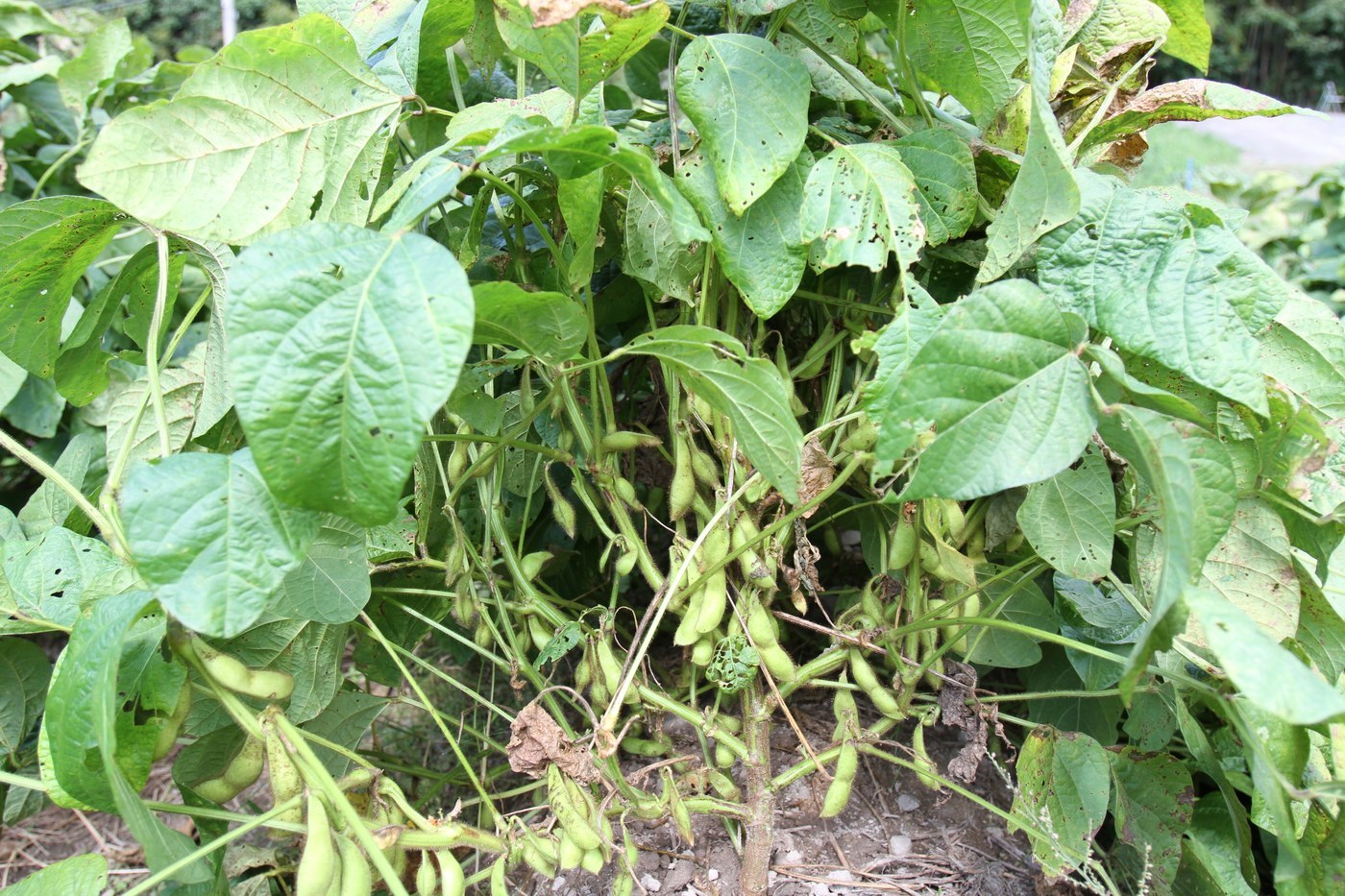
Edamame (Glycine max) is a bushy, warm-season annual legume with soft, trifoliate leaves and clusters of small pods held close to the upright stems. It is an easy, quick-growing crop plant that thrives in warm weather, full sun, and steadily moist soil.
Light
Give edamame full sun, at least six to eight hours of direct light daily. Strong light drives vigorous, sturdy growth and heavy podding. Plants in shade become leggy, flop over, and set few pods, so choose your sunniest bed.
Water
Keep the soil evenly moist, especially once flowering begins and pods are filling, which is the most moisture-sensitive stage. Irregular watering during podding causes poor pod set and undersized pods. Water at the base to keep foliage dry, and mulch to hold consistent moisture through hot spells. Avoid both drought stress and waterlogging.
Soil & Potting
Grow in fertile, well-drained loam with a neutral to slightly acidic pH. As a legume it fixes its own nitrogen with the help of soil bacteria, so it needs only moderate fertility. Work in some compost before planting for good structure and moisture retention. In containers, use a deep pot with a free-draining mix, as the plants root fairly deeply.
Humidity & Temperature
Edamame is a warm-season plant that needs warm soil to germinate and warm air to grow well; it is intolerant of frost and cold, wet conditions. Sow only after all danger of frost has passed and the soil has warmed. It grows best through the heat of summer and stops setting pods well in cold snaps.
Feeding
Because it fixes nitrogen, edamame needs little supplemental nitrogen, which would otherwise produce lush leaves and few pods. A modest amount of phosphorus and potassium supports flowering and pod fill. A single application of a balanced, low-nitrogen fertilizer or compost at planting is usually enough.
Propagation
Edamame is grown from seed sown directly where it is to grow, once the soil is reliably warm. Sow seeds a couple of centimeters deep with space between plants for air circulation. Inoculating the seed or soil with the appropriate rhizobium bacteria improves nitrogen fixation and vigor on ground where legumes have not grown before. Germination is fast in warm soil.
Repotting / Pruning
No pruning is required. As an annual it is grown for a single season and does not need repotting. Provide light support or grow in blocks so the bushy plants support one another, and simply pull spent plants at the end of the season, leaving the nitrogen-rich roots in the soil to benefit the next crop.
Common Problems & Pests
Aphids, spider mites, and various leaf-chewing beetles can affect the foliage, and slugs may attack seedlings. Poor pod set most often results from cold weather, drought during flowering, or excess nitrogen. Fungal leaf spots and root rots appear in overly wet, poorly drained soil, so ensure good drainage and airflow.
Seasonal Care Tips
In spring, wait for warm soil before direct sowing and protect seedlings from slugs. Through summer, keep moisture even during flowering and pod fill and watch for pests. As the season winds down, plants mature quickly. In autumn, clear the annual plants after they finish, leaving the roots to enrich the soil.
Frequently asked questions
When should I sow edamame?
Sow directly outdoors only after all frost has passed and the soil has warmed. Edamame is a warm-season plant that will not germinate or grow well in cold, wet soil.
Why are my plants leafy with few pods?
Usually too much nitrogen or too little sun. As a legume it fixes its own nitrogen, so extra nitrogen pushes leaves at the expense of pods; give full sun and go easy on feeding.
How important is watering during podding?
Very important. Even moisture during flowering and pod fill is the key to good pod set. Irregular watering at this stage causes poor, undersized pods.
Do I need to inoculate the seed?
It helps on ground where legumes have not grown before. Adding the appropriate rhizobium inoculant improves nitrogen fixation and overall vigor, though plants can still grow without it.