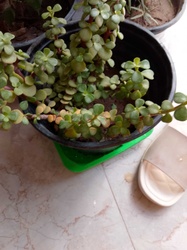
How to Care for Elephant Bush
Elephant bush is an easy, fast-growing succulent shrub with glossy round leaves; give it bright light and sparing water.
Read the full Elephant Bush encyclopedia entry →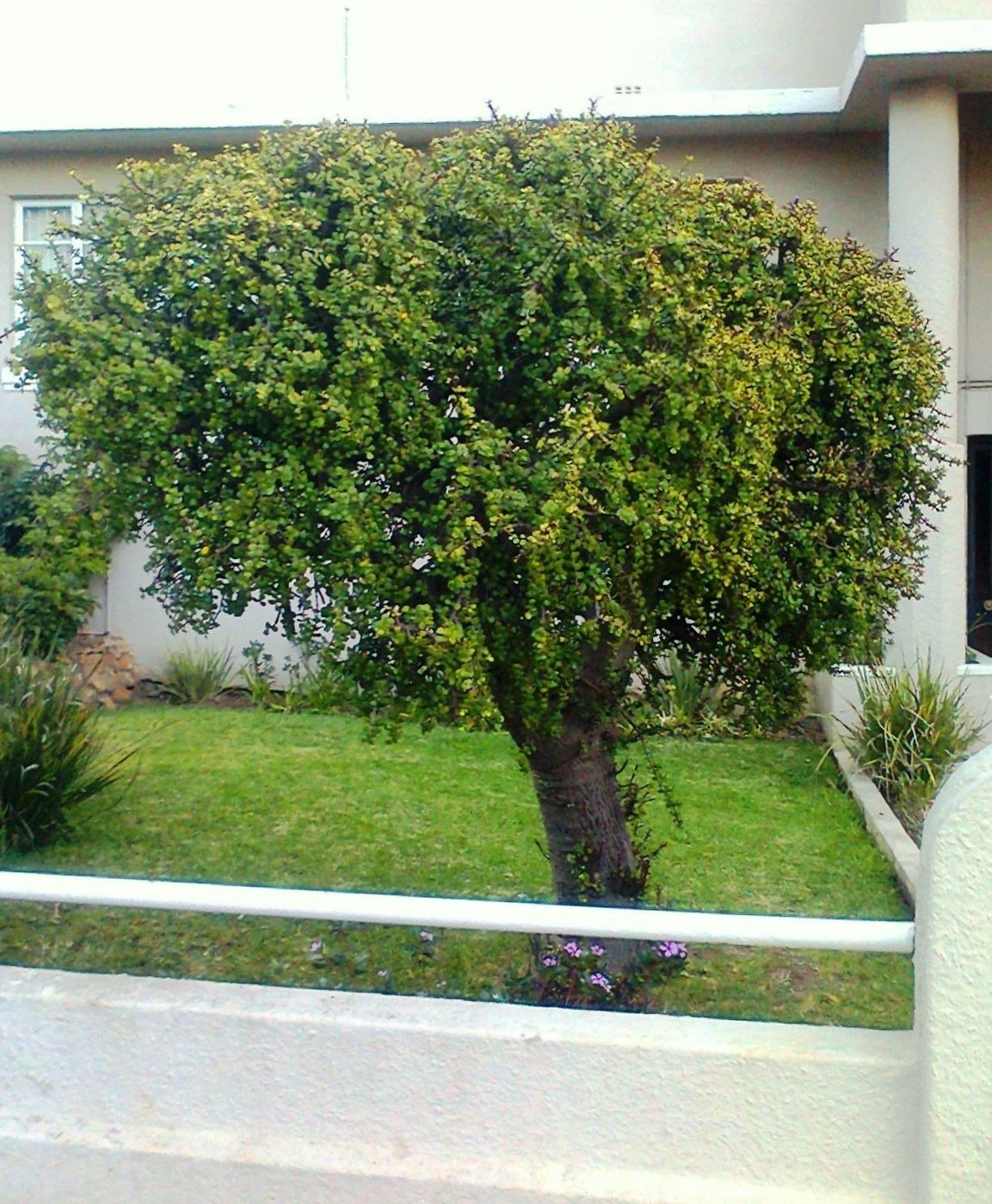
Elephant bush (Portulacaria afra) is a resilient South African succulent shrub with slender reddish-brown stems and small, glossy, rounded green leaves. It is one of the easiest succulents to grow, tolerating a wide range of conditions and readily shaped into a shrub or bonsai.
Light
Give it as much light as possible. Bright direct sun brings out compact growth and a reddish tinge on the stems and leaf edges, while bright indirect light keeps it green and slightly looser. Indoors, a south- or west-facing window is ideal; too little light causes stretched, weak stems and wide gaps between leaves.
Water
Water sparingly and let the soil dry out completely between waterings. As a drought-adapted succulent it stores water in its leaves and stems and rots quickly if kept soggy. Soak thoroughly, then wait until the mix is bone dry before watering again, watering far less in cool or low-light periods.
Soil & Potting
Use a gritty, fast-draining succulent or cactus mix, ideally cut further with extra perlite, pumice, or coarse sand. A pot with drainage holes is essential. Terracotta helps wick away excess moisture and suits its dislike of wet feet.
Humidity & Temperature
Elephant bush prefers warm, dry conditions and average household humidity. It grows best between 15-30C (60-85F) and is frost-tender, so keep it above about 5C (40F) and bring it indoors before cold weather. It tolerates dry indoor air with no trouble.
Feeding
Feed lightly, only during the active growing season, with a diluted balanced or cactus fertilizer every 4-6 weeks. It is not a heavy feeder and does fine in lean soil; skip fertilizer entirely in winter.
Propagation
This plant is exceptionally easy to propagate from stem cuttings. Snip a healthy stem, let the cut end callus for a day or two, then insert it into dry succulent mix. Water sparingly until roots form. Even small fallen pieces often root on their own.
Repotting / Pruning
Repot every couple of years in spring, or when the plant becomes top-heavy or root-bound, refreshing the gritty mix. It responds beautifully to pruning, which encourages branching and denser form; pinch or trim stems to shape it and use cuttings to propagate. Its trainability makes it a popular bonsai subject.
Common Problems & Pests
The most common issue is overwatering, which causes soft, translucent, dropping leaves and stem rot; withhold water and let it dry out to recover. Leggy, stretched growth signals insufficient light. Watch for mealybugs in leaf joints and spider mites in dry conditions, treating with insecticidal soap or dabbing pests with alcohol.
Seasonal Care Tips
Growth is strongest in the warm months, when you can water a bit more often and feed lightly. In autumn and winter, cut watering way back and give it the brightest spot available to prevent stretching during short days. Protect it from any frost.
Frequently asked questions
Why are the leaves shriveling and dropping?
Shriveled, wrinkled leaves usually mean underwatering, while soft, translucent leaves that drop point to overwatering. Check the soil: give a thorough soak if bone dry, or hold off and let it dry out if it is damp.
Why is my elephant bush growing tall and leggy?
Stretched stems with widely spaced leaves indicate too little light. Move it to a brighter spot with some direct sun, and prune the leggy growth to encourage bushier branching.
How often should I water elephant bush?
Water sparingly, only when the soil is completely dry. That may be every couple of weeks in summer and much less in winter. When in doubt, wait longer.
Can I turn elephant bush into a bonsai?
Yes, its woody stems, small leaves, and tolerance of pruning make it a classic beginner bonsai. Prune regularly to build structure and keep it in a shallow, well-draining container.
Elephant Bush identified by the community
Recent Elephant Bush specimens identified with Plant Identifier.