How to Care for Endive
Grow Endive as a cool-season leafy plant with rosettes of frilled or broad foliage. Keep it evenly moist in full sun to part shade.
Read the full Endive encyclopedia entry →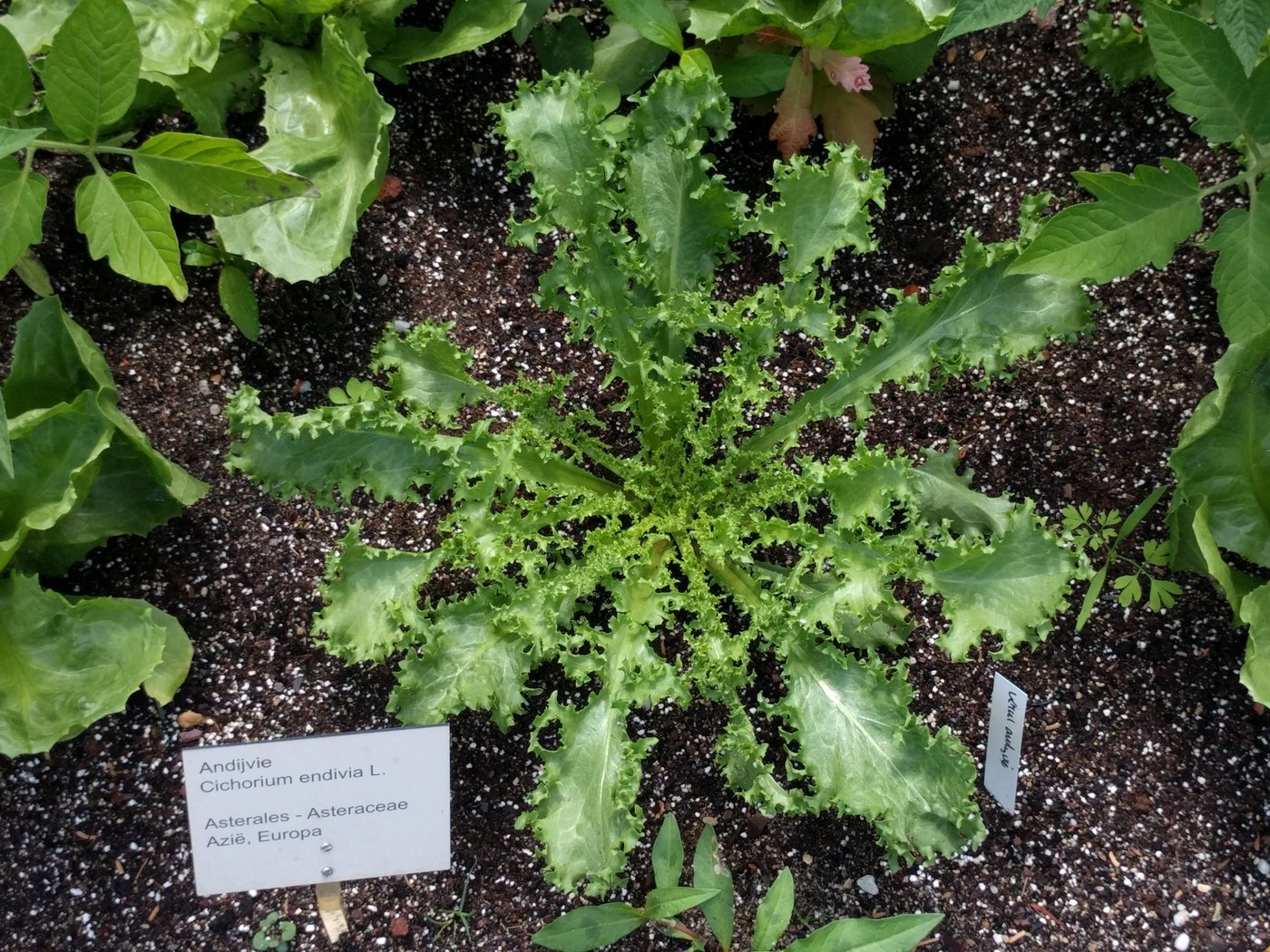
Endive (Cichorium endivia) is a cool-season leafy plant that forms low rosettes of frilled, deeply cut, or broad wavy foliage. As a garden plant it is grown for its handsome, textured leaf rosettes and is a moderate-difficulty grower that rewards steady moisture and cool conditions. This guide covers its cultivation as a decorative and garden-bed plant.
Light
Endive grows in full sun to part shade. Full sun produces the fullest, densest rosettes in cool weather, while a little afternoon shade helps in warmer conditions by reducing stress and slowing bolting. Aim for bright light without intense midday heat.
Water
Keep the soil evenly moist at all times, as consistent moisture is key to lush, tender rosettes and preventing premature bolting. Water regularly and deeply, never letting the root zone dry out fully. Mulch helps retain moisture and keeps the soil cool, both of which this plant appreciates.
Soil & Potting
Grow Endive in fertile, well-draining soil rich in organic matter, with a neutral pH. Loose, moisture-retentive loam is ideal for fast, uninterrupted growth. In containers, use a rich potting mix and keep it consistently damp, since pots dry out faster and this plant dislikes drought.
Humidity & Temperature
Endive is a cool-season plant that thrives in mild, cool conditions and tolerates light frost. Warm weather triggers bolting and coarse growth, so grow it in spring and autumn in most climates. Steady moderate temperatures produce the best rosettes; sudden heat is its main enemy.
Feeding
Feed with a balanced fertilizer to support fast, leafy growth, applying at planting and again lightly a few weeks later. Nitrogen encourages the lush foliage this plant is grown for, but avoid overfeeding. In containers, a diluted liquid feed every couple of weeks keeps rosettes vigorous.
Propagation
Grow Endive from seed, sown in cool weather in spring or late summer for an autumn display. Sow directly in beds or start in trays, keep evenly moist, and thin seedlings to give each rosette room to expand. Germination is quick in cool, moist soil.
Repotting / Pruning
Little pruning is needed beyond removing yellowed or tattered outer leaves to keep rosettes neat. Container plants rarely need repotting within a single cool-season cycle but benefit from generous spacing. Remove plants once they bolt and send up flower stalks in heat.
Common Problems & Pests
Slugs, snails, and aphids are the main pests, sheltering among the frilled leaves; check regularly and remove them. Damp, crowded conditions can bring rot, downy mildew, or leaf spot, so space plants and water at the base. Bolting in warm weather is the most common issue and is prevented by cool temperatures and steady moisture.
Seasonal Care Tips
Sow in early spring or late summer for the coolest growing conditions. Keep evenly watered through the growing period and mulch to hold moisture. Harvest the ornamental display before summer heat forces bolting, and start a fresh sowing for autumn where the season allows.
Frequently asked questions
Why is my Endive bolting?
Warm weather and dry soil trigger bolting, where the plant sends up a flower stalk and the rosette turns coarse. Grow it in cool seasons and keep the soil evenly moist to delay it.
How much water does Endive need?
Keep the soil consistently, evenly moist. It dislikes drying out, which stresses the plant and hastens bolting. Water deeply and regularly, and mulch to retain moisture.
Can Endive grow in shade?
It grows in full sun to part shade. A little afternoon shade is helpful in warmer areas to reduce heat stress, but bright light gives the fullest rosettes.
When is the best time to grow Endive?
Grow it in the cool parts of the year, spring and autumn, since it thrives in mild temperatures and tolerates light frost but bolts in summer heat.
Endive identified by the community
Recent Endive specimens identified with Plant Identifier.