
Fairy Castle Cactus Identification Guide
Recognize the Fairy Castle Cactus (Acanthocereus tetragonus 'Fairy Castle') by its many ribbed, turret-like green columns of varying heights.
Read the full Fairy Castle Cactus encyclopedia entry →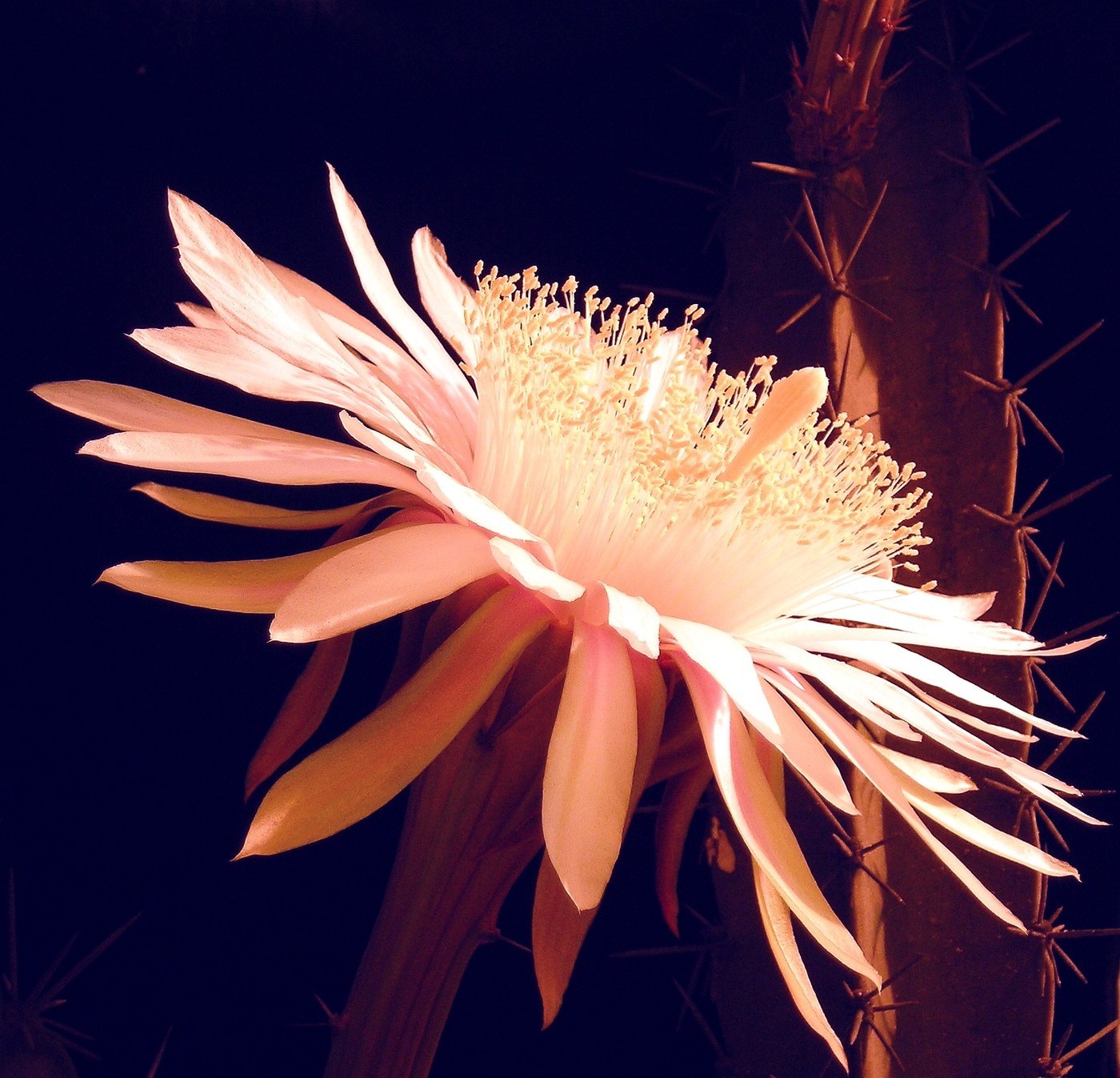
Key Identifying Features
The Fairy Castle Cactus is a cultivated form of Acanthocereus tetragonus that produces a cluster of upright, ribbed green columns of many different heights, giving the appearance of the spires and turrets of a tiny castle. It is slow-growing and stays compact (often under 6 inches as a houseplant, eventually reaching 1–2 ft over many years).
- Multiple branching vertical stems at staggered heights
- Bright green, ribbed columns, usually with 4–5 angled ribs (often appearing 5-sided)
- Small white/yellowish spines along the rib edges
- Architectural, turreted "castle" silhouette
Leaves & Stems
Like all cacti it is leafless; the green, water-storing stems do everything. Each stem is columnar with prominent vertical ribs, and along the rib margins sit areoles bearing clusters of short, fine spines. New branches sprout from the sides of existing columns at random heights, which is what builds the multi-turret look. The skin is firm and smooth between the ribs.
Flowers & Fruit
Fairy Castle Cactus rarely flowers in cultivation. When the parent species does bloom, it produces large white nocturnal flowers, but the cultivated houseplant form almost never does. Beware of fake flowers: many retail plants are sold with a brightly colored dried straw flower glued onto the top — these are not real and should be removed.
How to Tell It Apart from Look-Alikes
- Cereus and other column cacti: Fairy Castle stays small, heavily branched, and many-spired rather than forming one tall trunk.
- Glued-on flower trick: If a vivid pink/red/yellow flower sits perfectly atop the spire, it's almost certainly a glued dried flower, not proof of species.
- Euphorbia look-alikes: Check for areoles and the absence of milky sap; this cactus has true spiny areoles and no latex.
Where You'll Find It
The parent species is native to southern North America, the Caribbean, and northern South America. As a houseplant the Fairy Castle is sold worldwide and grown indoors in bright, indirect to direct light. Outdoors it suits USDA zones 10–11 in well-drained, gritty soil; it is very drought-tolerant and prefers infrequent watering.
Quick ID Checklist
- Cluster of ribbed green columns at many heights (castle/turret look)
- 4–5 ribs per stem with short spines along the edges
- Slow-growing, compact, branching habit
- No leaves; true spiny areoles; no milky sap
- Any bright bloom on top is usually a glued-on fake flower
Frequently asked questions
Is the colorful flower on top real?
Almost never. Retailers commonly glue a dried straw flower to the top of Fairy Castle Cactus. You can gently peel it off; the cactus very rarely blooms indoors.
Why isn't my cactus growing taller?
It is naturally very slow-growing. New turrets branch out over years rather than rapid vertical growth, which is part of its charm.
What species is Fairy Castle Cactus?
It is a cultivated form of Acanthocereus tetragonus, selected for its compact, many-branched, multi-height columnar habit.
How can I be sure it's a cactus and not a Euphorbia?
Look for areoles (the small cushions where spines emerge) along the ribs and the absence of milky sap. Cacti have areoles and clear sap; Euphorbias have no areoles and bleed white latex.