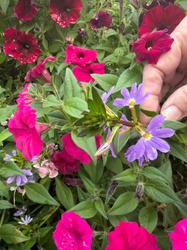
How to Care for Fan Flower
Grow Scaevola aemula for months of fan-shaped blue-purple blooms in baskets and borders with this easy full-sun care guide.
Read the full Fan Flower encyclopedia entry →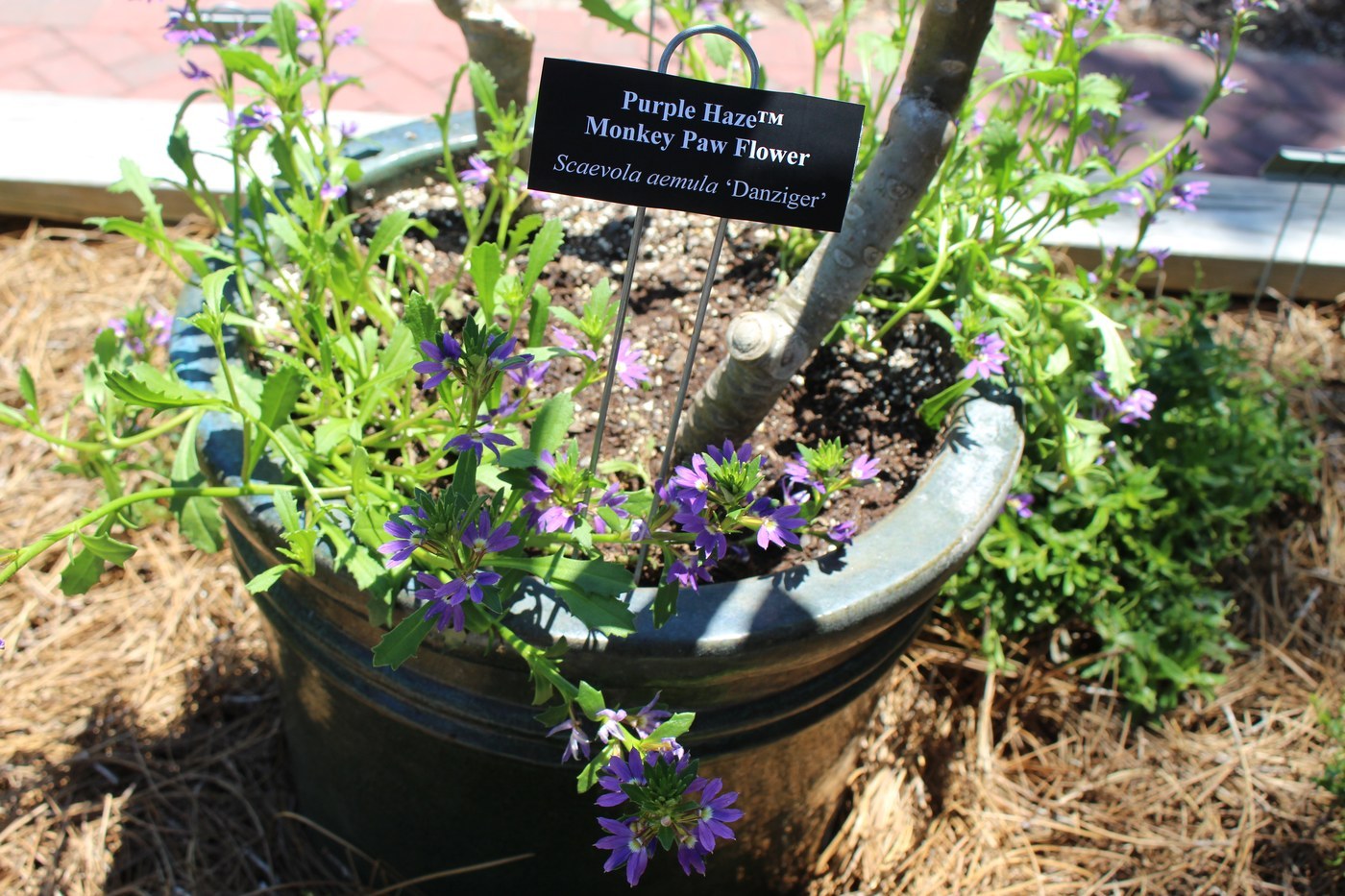
Fan Flower (Scaevola aemula) is a low, sprawling Australian native prized for its distinctive fan-shaped flowers in shades of blue, purple, and white that bloom nonstop through the warm season. It is heat-loving, forgiving, and perfect for hanging baskets, containers, and sunny groundcover.
Light
Give Fan Flower full sun for the heaviest flowering, ideally six or more hours daily. It will grow in part shade but blooming drops off and stems stretch. In very hot inland climates a little afternoon shade keeps foliage looking fresh, but this plant genuinely thrives in bright, hot conditions.
Water
Water moderately and let the top of the soil dry slightly between waterings. Established plants tolerate short dry spells well, which makes them excellent for baskets that occasionally miss a watering. Avoid constantly soggy soil, which invites root rot. In summer containers may need daily watering during heat waves; in-ground plants need far less.
Soil & Potting
Use a light, free-draining mix. For containers, a quality potting mix with added perlite or coarse sand works well. In the garden, Fan Flower tolerates poor and sandy soils and actually resents overly rich, heavy ground. Make sure containers have generous drainage holes.
Humidity & Temperature
This is a warm-climate perennial usually grown as a summer annual in cooler regions. It loves heat and tolerates coastal salt spray and wind. It is frost-tender, so protect or bring in before temperatures approach freezing. Average humidity is fine; it does not need misting.
Feeding
Feed lightly. A slow-release fertilizer at planting plus a diluted balanced liquid feed every few weeks during the growing season keeps blooms coming. Avoid heavy nitrogen, which produces lush foliage at the expense of flowers, and go easy on phosphorus since Scaevola, like many Australian natives, can be sensitive to it.
Propagation
Propagate from softwood stem cuttings in spring or summer. Take 3 to 4 inch tips, strip the lower leaves, and root in a moist, gritty mix with warmth and bright indirect light. Cuttings root readily in a few weeks. Named cultivars are best propagated this way to stay true to type.
Repotting / Pruning
Pinch young plants to encourage branching and a fuller shape. Trim back leggy or spent stems through the season to rejuvenate flowering; the plant responds quickly with fresh growth. Refresh container plantings each spring with new mix, or grow fresh plants from cuttings.
Common Problems & Pests
Fan Flower is largely trouble-free. The main issue is root rot from overwatering or poor drainage, shown by yellowing and collapse. Watch for aphids on tender new growth and the occasional whitefly in greenhouses; rinse them off or treat with insecticidal soap. Sparse flowering usually means too little sun or too much fertilizer.
Seasonal Care Tips
Plant out after the last frost once soil has warmed. Feed and water consistently through the summer flush, and shear lightly midseason if plants sprawl. In frost-free climates it can overwinter as a short-lived perennial; elsewhere treat it as an annual or overwinter rooted cuttings indoors under bright light.
Frequently asked questions
Why is my Fan Flower not blooming?
The most common causes are too little sunlight or too much nitrogen fertilizer. Move it into full sun and switch to a lighter, balanced feed to bring the flowers back.
Is Fan Flower good for hanging baskets?
Yes, its trailing, spreading habit and long bloom season make it one of the best filler and spiller plants for sunny hanging baskets and container edges.
How often should I water Fan Flower in a pot?
Let the top of the soil dry slightly, then water thoroughly. In summer heat that may mean daily, but always allow excess to drain so the roots never sit in water.
Can Fan Flower survive winter?
It is frost-tender. In frost-free climates it lives on as a perennial, but in cold regions it is grown as an annual or overwintered as rooted cuttings indoors.
Fan Flower identified by the community
Recent Fan Flower specimens identified with Plant Identifier.