
How to Care for Flame Bottle Tree
The flame bottle tree dazzles with fiery red blooms; give it full sun, well-drained soil, and moderate water for a spectacular flowering specimen.
Read the full Flame Bottle Tree encyclopedia entry →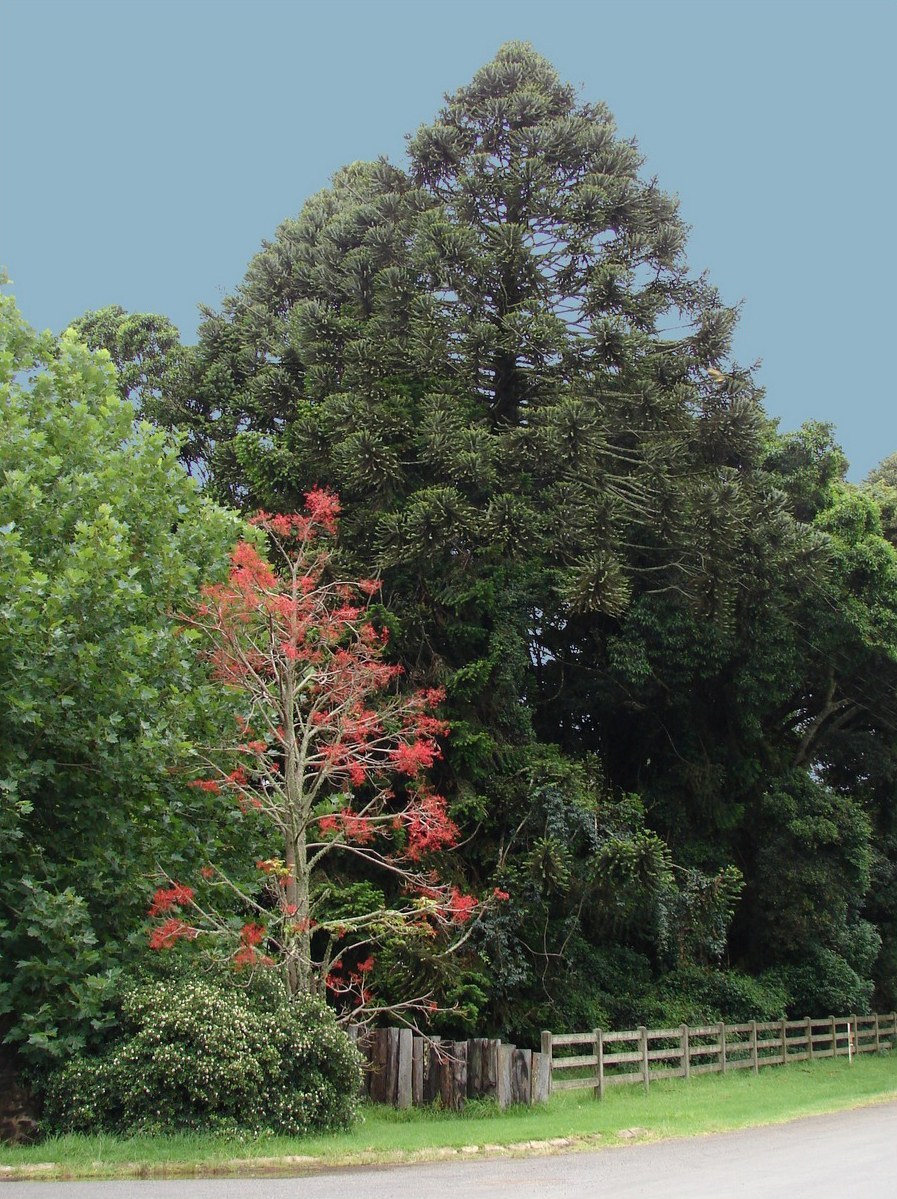
The flame bottle tree, or Illawarra flame tree (Brachychiton acerifolius), is a striking Australian native famed for its blaze of bell-shaped scarlet flowers that cover the bare branches in early summer. It is a large, ornamental shade and specimen tree with a swollen, moisture-storing trunk.
Light
Plant in full sun for the best flowering and a strong, upright form. Young trees tolerate light shade, but abundant blooms require plenty of direct light. Sun also encourages the dramatic leafless flowering display.
Water
Give moderate water while young to establish deep roots. Once established, the flame bottle tree is notably drought-tolerant thanks to its water-storing trunk. Water deeply but infrequently, allowing the soil to dry between soakings. Avoid constantly wet ground, which the roots dislike.
Soil & Potting
Provide deep, well-draining soil; sandy loams are ideal. The tree tolerates a range of soils but resents heavy, waterlogged clay. Good drainage is essential to protect the trunk and roots. Young trees can be container-grown in a free-draining mix before planting out, but they ultimately need room for a large root system.
Humidity & Temperature
This is a warm-climate, frost-sensitive tree that grows best in subtropical to warm-temperate regions. Young trees are especially tender to frost and should be protected or grown in containers where winters are cold. It tolerates a range of humidity and appreciates warm summers to trigger flowering.
Feeding
Feed young trees in spring with a balanced or native-appropriate slow-release fertilizer to support establishment. Mature trees need little supplemental feeding. Avoid high-phosphorus fertilizers, as many Australian natives are sensitive to excess phosphorus; a low-phosphorus formula is safer.
Propagation
Propagate from seed, which is the most reliable method. Scarify or soak the hard seed to improve germination, then sow in warm, well-drained mix; seedlings take several years to reach flowering size. Named forms are sometimes grafted to ensure flower color and earlier blooming.
Repotting / Pruning
Prune only lightly to shape or remove crossing and damaged branches, ideally after flowering. The tree naturally develops a good form and needs minimal pruning. Repot container specimens as they outgrow their pots, moving up gradually into deep, free-draining containers.
Common Problems & Pests
Generally trouble-free. Watch for leaf-chewing insects and occasional scale. The most common issues stem from cold damage or poorly drained soil causing root problems. Erratic or sparse flowering is often weather-related, as blooming is heaviest after a warm, dry period.
Seasonal Care Tips
Plant in spring once frost danger has passed. Water through the first few summers to establish, then reduce as the tree matures. Expect the spectacular scarlet flowering flush in late spring to early summer, often on bare branches. Protect young trees from frost through their early winters.
Frequently asked questions
Why isn't my flame bottle tree flowering?
Flowering can take several years from seed and is triggered by warm, dry conditions. Young trees, too much shade, cold seasons, or overly rich soil can all delay or reduce blooming. Give full sun and patience.
Is the flame bottle tree drought-tolerant?
Yes, once established. Its swollen trunk stores moisture, so mature trees handle dry spells well. Young trees still need moderate, regular watering until their roots are established.
Can I grow a flame bottle tree in a cold climate?
Only with protection. It is frost-sensitive, especially when young. In cold regions grow it in a container that can be moved to shelter, or keep it under frost protection through winter.
How big does a flame bottle tree get?
In ideal conditions it becomes a large tree, so give it plenty of space and deep, well-drained soil. Container growing keeps it smaller but limits its ultimate size and flowering potential.