
How to Care for Fox Tail Agave
Grow the soft, spineless Fox Tail Agave (Agave attenuata) with bright light, sharp drainage, and minimal water for an easy sculptural succulent.
Read the full Fox Tail Agave encyclopedia entry →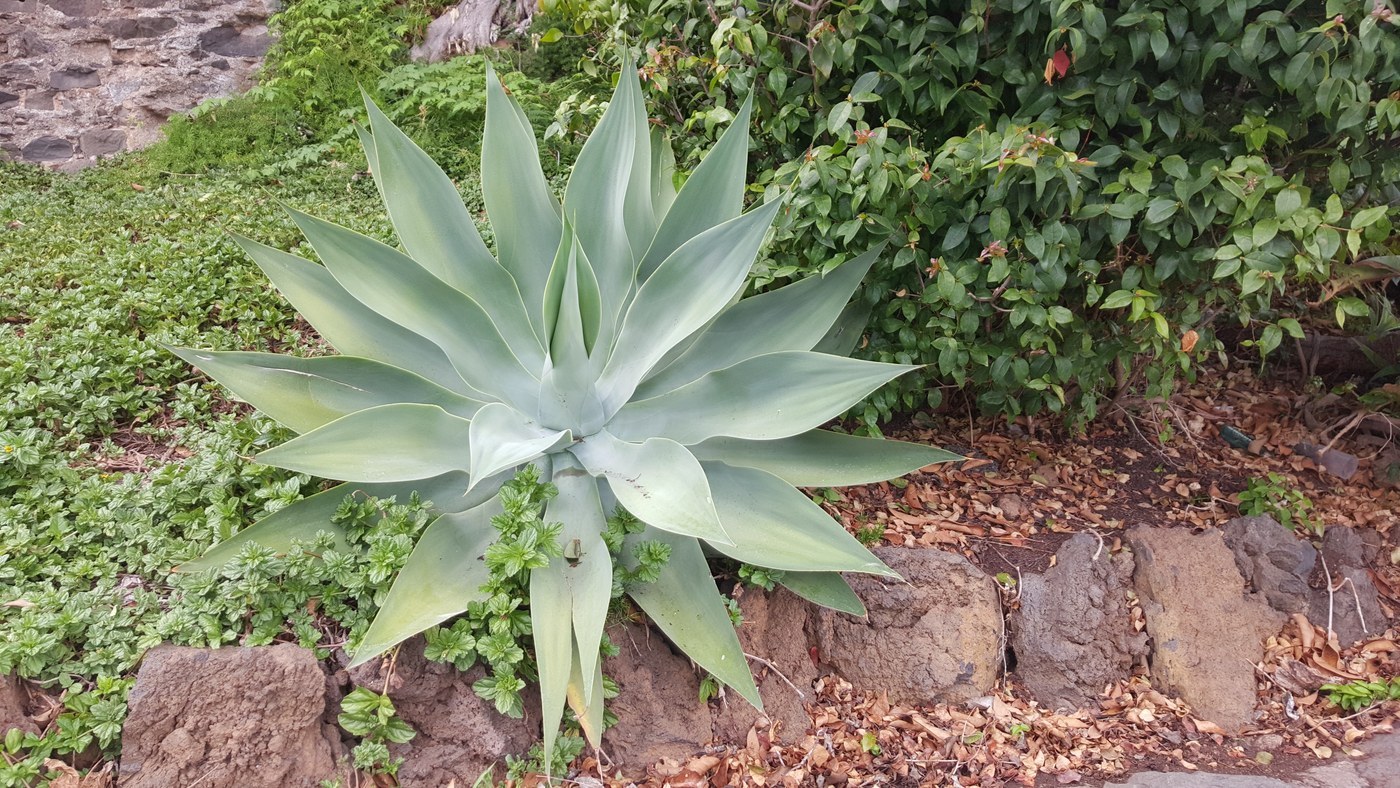
The Fox Tail Agave (Agave attenuata) is a soft-leaved, spineless succulent forming smooth rosettes of pale blue-green leaves on a short trunk. Named for its long, arching bloom spike, it is an easy, low-maintenance succulent that tolerates neglect once established.
Light
Give Fox Tail Agave bright light to part shade. Outdoors it appreciates full morning sun with light afternoon shade in hot climates, which keeps its soft leaves from bleaching or scorching. Indoors, place it at the brightest window available. It handles part shade better than many agaves, but too little light leads to loose, stretched rosettes.
Water
This is a drought-tolerant succulent. Water only when the soil has dried out, then soak thoroughly and let it drain completely. During active growth in spring and summer, that may mean watering every couple of weeks; in winter, cut back to occasional watering. The most common cause of decline is overwatering, which rots the trunk and roots.
Soil & Potting
Use a fast-draining succulent or cactus mix, ideally amended with extra pumice, coarse sand, or perlite. Sharp drainage is essential. Choose a pot with generous drainage holes; unglazed terracotta helps excess moisture evaporate. Avoid dense, moisture-holding soil that keeps roots wet.
Humidity & Temperature
Fox Tail Agave prefers warm, dry to average conditions and does best above 50 degrees Fahrenheit. It is tender to frost, so protect it from freezing temperatures and bring container plants indoors or under cover when cold threatens. Ordinary household humidity suits it fine; it does not need misting.
Feeding
This agave needs little feeding. A single light application of a diluted balanced or low-nitrogen fertilizer in spring is plenty. Excess fertilizer produces soft, weak growth. Skip feeding entirely in fall and winter.
Propagation
The easiest method is to remove offsets, or pups, that form around the base of the mother plant. Detach a pup with a few roots, let any cut surface callus for a day or two, then pot it in dry succulent mix and water lightly once established. Plants can also be grown from seed, though this is slower.
Repotting / Pruning
Repot every few years in spring when the rosette outgrows its container, using fresh dry succulent mix. Handle carefully to avoid snapping the brittle leaves. Little pruning is needed beyond removing dried lower leaves to reveal the trunk and snipping off the spent flower spike after blooming.
Common Problems & Pests
Overwatering and poor drainage cause soft, mushy rot at the base, the main killer of this plant. Bleached or scorched leaves indicate intense sun with insufficient acclimation. Watch for agave snout weevil in outdoor plants, plus occasional mealybugs and scale in the leaf axils, which can be wiped away or spot-treated.
Seasonal Care Tips
In spring and summer, provide bright light and water when the soil dries; this is the main growth period. In fall, reduce watering as temperatures cool. In winter, keep the plant on the dry side and protect it from frost, moving containers to shelter during cold snaps.
Frequently asked questions
Does Fox Tail Agave have spines?
No. Unlike most agaves, Agave attenuata has soft, spineless leaves with smooth edges and no sharp terminal point, which makes it a gentle choice for pathways and containers.
How much water does a Fox Tail Agave need?
Very little. Water only when the soil dries fully, then soak and drain. It is drought tolerant, and overwatering is the fastest way to rot the roots and trunk.
Can Fox Tail Agave grow in shade?
It tolerates part shade better than most agaves and even benefits from light afternoon shade in hot climates. However, deep shade causes loose, stretched rosettes, so aim for bright light.
How do I propagate Fox Tail Agave?
Remove the pups that sprout around the base of the parent plant. Let any cut surface callus for a day or two, then pot the offset in dry succulent mix and water sparingly until it roots.