
How to Care for Foxtail Fern
Foxtail Fern (Asparagus densiflorus 'Myersii') forms plush upright plumes; give it bright light, well-drained soil, and water when the top inch dries.
Read the full Foxtail Fern encyclopedia entry →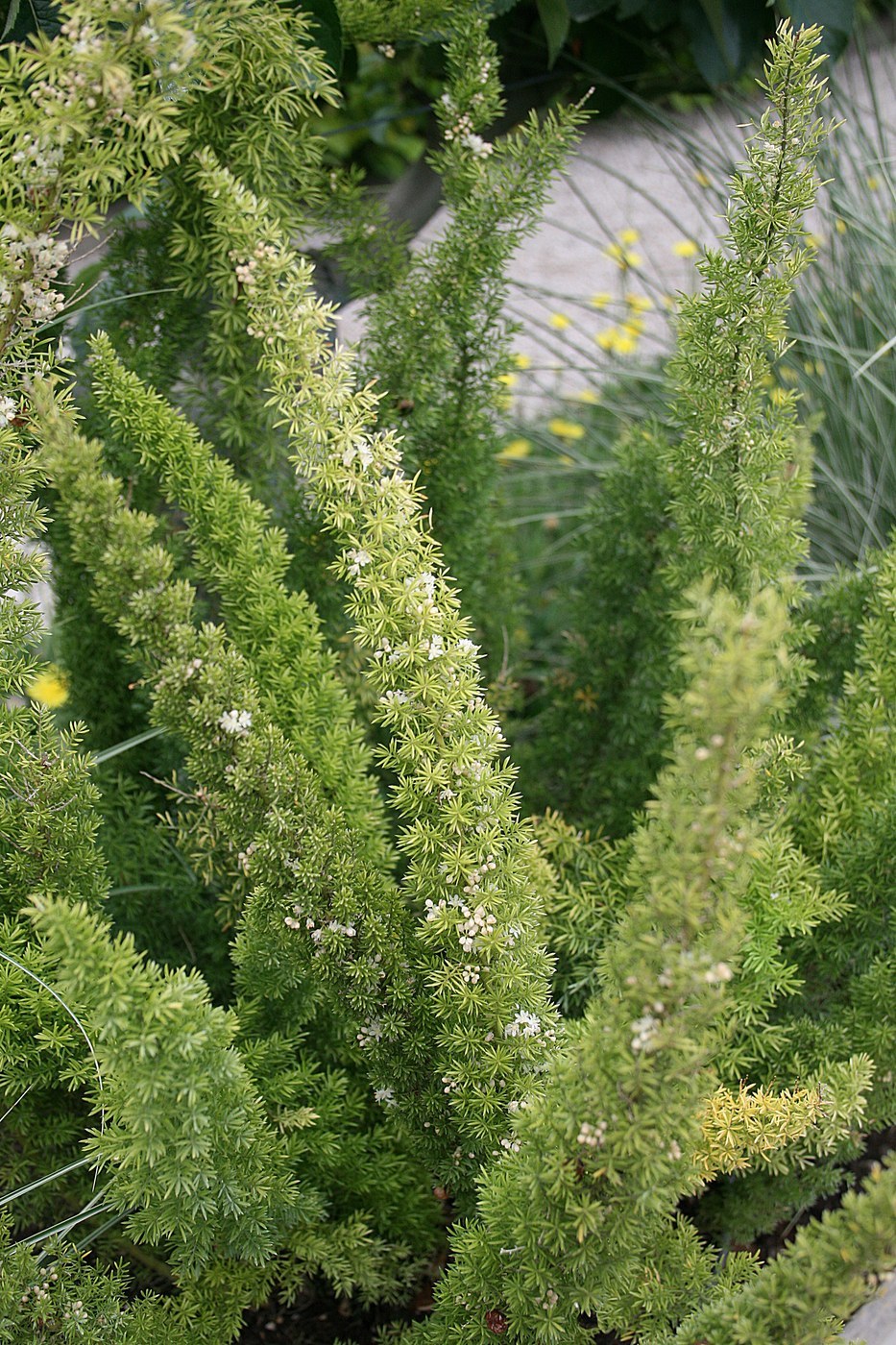
Foxtail Fern (Asparagus densiflorus 'Myersii') is not a true fern but a member of the asparagus family, grown for its dramatic upright plumes of fine, needle-like foliage that resemble bushy fox tails. Tough, drought-tolerant and easy-going, it makes a striking houseplant, container specimen or landscape plant in mild climates.
Light
Provide bright, indirect light to part sun. Indoors, a spot near a bright east or filtered south/west window is ideal. Outdoors it enjoys morning sun with afternoon shade; intense, unbroken midday sun can scorch and yellow the plumes, while deep shade thins the growth. The stated range of bright indirect to part sun keeps the foliage dense and green.
Water
Water when the top inch of soil dries out. The plant grows from fleshy tuberous roots that store moisture, giving it good drought tolerance, so err on the drier side rather than keeping it soggy. Water thoroughly, let excess drain, and allow the surface to dry before watering again. Reduce watering in winter.
Soil & Potting
Use a well-drained, fertile potting mix; a general houseplant mix with added perlite works well. The vigorous tuberous roots can fill and even crack pots, so choose a sturdy container with good drainage. Slightly loose, airy soil suits the storage roots best.
Humidity & Temperature
Foxtail Fern is adaptable to average household humidity and tolerates dry air better than true ferns. It prefers warm conditions of 65-75F (18-24C) and is frost-tender, damaged below about 24-28F (-4 to -2C). In cold climates grow it in containers and bring it indoors before frost.
Feeding
Feed monthly through spring and summer with a balanced, diluted liquid fertilizer, or use a slow-release feed at the start of the growing season. Stop or greatly reduce feeding in fall and winter when growth slows. Do not overfeed, as the plant is not a heavy feeder.
Propagation
Propagate by division, the easiest method: unpot a mature plant and cut or pull the tuberous root mass into sections, each with plumes and roots, then pot up separately. It can also be grown from the seeds found in its red berries, sown in warm, moist soil, though division is faster and more reliable.
Repotting / Pruning
Repot every 1-2 years or when roots crowd or distort the pot, moving up one size in spring. The tubers exert real pressure, so repot before they crack the container. Trim any yellowed or damaged plumes at the base to keep it tidy; old stems can be cut away entirely and the plant will push fresh growth.
Common Problems & Pests
Yellowing plumes usually signal overwatering, poor drainage, or too much harsh sun; browning and needle drop often mean underwatering or very dry, hot air. Watch for spider mites, mealybugs and scale, especially indoors in dry conditions; treat with insecticidal soap or by wiping foliage. Root rot follows soggy soil.
Seasonal Care Tips
Growth is strongest in spring and summer, the time to feed, water regularly and repot. In fall and winter cut back on water and hold off feeding. Protect from frost by moving containers indoors or to a sheltered spot before cold weather. Refresh tired clumps by dividing in spring.
Frequently asked questions
Is a foxtail fern really a fern?
No. Despite the name it is not a true fern but a member of the asparagus family (Asparagus densiflorus 'Myersii'). It reproduces by seed and tuberous roots rather than spores and is more drought-tolerant than real ferns.
Why are my foxtail fern plumes turning yellow?
Yellowing usually means overwatering or poor drainage, or exposure to harsh direct midday sun. Let the top inch of soil dry between waterings, ensure the pot drains well, and move it to bright indirect light or part sun.
How do I propagate a foxtail fern?
The easiest way is division: unpot a mature plant in spring, separate the tuberous root mass into sections each with plumes and roots, and pot them up individually. It can also be grown from the seeds in its red berries.
How often should I repot a foxtail fern?
Every 1-2 years, or sooner if the tuberous roots crowd or start to crack the pot. Move up one container size in spring and use a sturdy, well-draining pot to handle the pressure of the storage roots.