
How to Care for Foxtail
Grow ornamental foxtail grass (Setaria) in full sun with lean, well-drained soil for feathery, arching seed plumes all season.
Read the full Foxtail encyclopedia entry →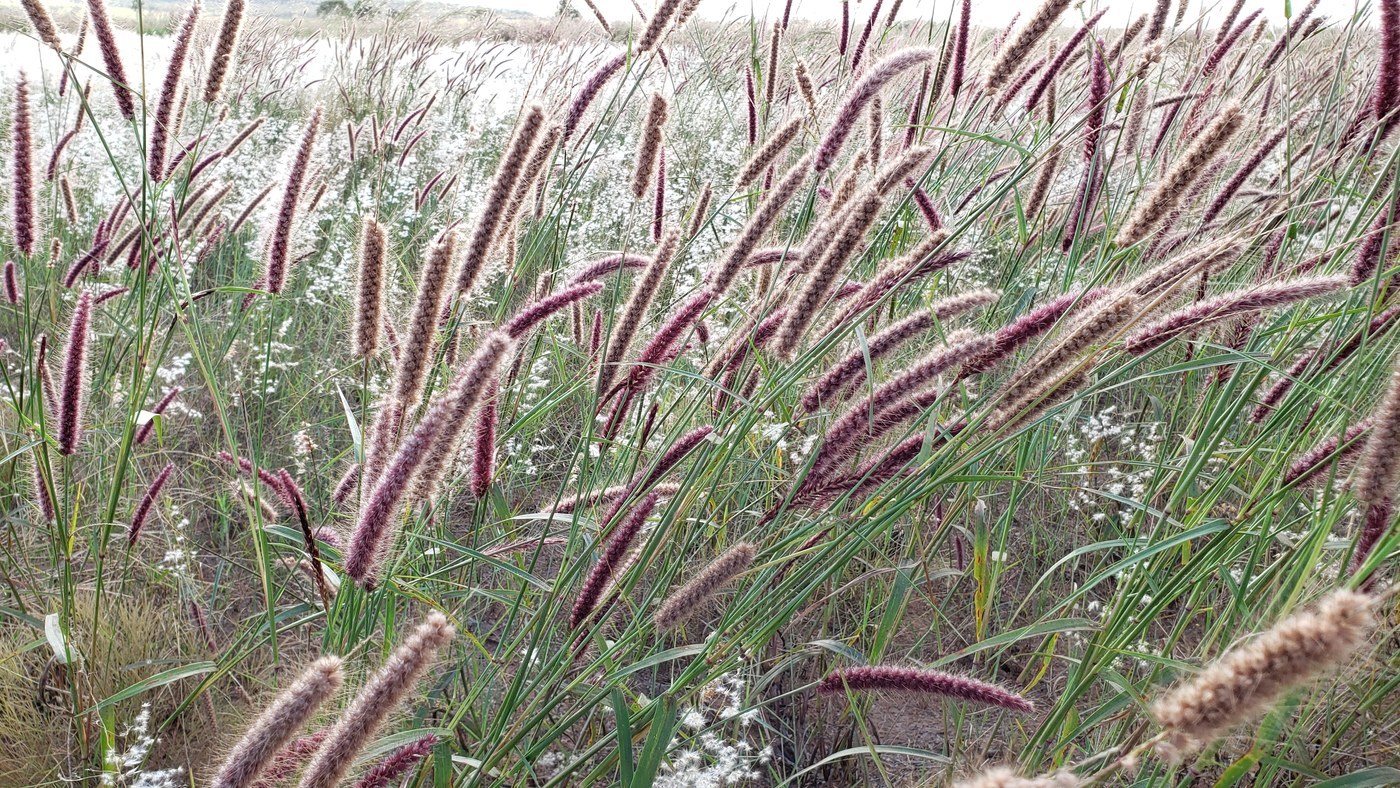
Foxtail (Setaria spp.) is a fast-growing annual grass grown ornamentally for its soft, arching, bottlebrush seed heads that catch light and movement in beds and containers. It is an easy, tough, sun-loving plant that tolerates heat and lean soil and provides fine texture and motion in the garden.
Light
Grow foxtail in full sun for the densest clumps and best flowering plumes. At least six hours of direct light produces sturdy, upright stems and abundant seed heads, while shade thins the clump and reduces the feathery display. Choose an open, bright site with room for the arching foliage.
Water
Water regularly to establish young plants, then let it run largely on its own; foxtail is drought-tolerant once established. Water deeply but infrequently, allowing the soil to dry between drinks. It handles dry spells far better than soggy ground, so avoid overwatering, which weakens the clump and invites rot.
Soil & Potting
Foxtail is unfussy and grows in a wide range of soils, including poor, sandy, and gravelly ground, as long as drainage is good. It actually performs better in lean soil than in overly rich beds, where it can grow floppy. For containers, use a free-draining potting mix and a pot with ample drainage holes.
Humidity & Temperature
A warm-season grass, foxtail loves heat and is frost-tender, completing its cycle in a single growing season. Wait until soil is warm before sowing or planting out. It shrugs off ordinary humidity and dry heat alike and needs no special atmospheric conditions beyond good air movement.
Feeding
Little to no feeding is needed. Foxtail thrives in lean conditions, and heavy fertilizing, especially with nitrogen, produces weak, floppy stems that lodge. If the soil is very poor, a single light feeding early in the season is plenty. In containers, a diluted balanced fertilizer once or twice through summer suffices.
Propagation
Propagate from seed, which foxtail produces prolifically. Sow directly into warm soil in spring or start indoors a few weeks before the last frost, barely covering the fine seed. Germination is fast and reliable. Because it self-seeds enthusiastically, remove spent heads before they shed if you want to limit its spread.
Repotting / Pruning
As an annual it is not repotted long-term, though nursery plugs should go into their final spot promptly. Pruning is minimal; you can shear tired foliage or cut plumes for fresh or dried arrangements. Removing seed heads before they mature is the main maintenance task where controlling self-sowing matters.
Common Problems & Pests
Foxtail is largely trouble-free. The main issue is its vigorous self-seeding, which can crowd nearby plants if heads are left to drop; deadhead to keep it in check. Overly rich soil or too much water causes floppy, weak stems. Rust or leaf spot can appear in damp, crowded conditions, so give it sun and airflow.
Seasonal Care Tips
Sow or plant after frost once soil warms. Through summer it needs little beyond occasional deep watering in drought and enjoys the heat. Plumes color up in late summer and fall for peak ornamental effect; cut heads then for drying, and clear self-sown seed before winter if you want to control where it returns next year.
Frequently asked questions
Does foxtail grass need full sun?
Yes. Full sun, at least six hours daily, gives the densest clumps and the best feathery seed plumes. In shade the clump thins and produces fewer heads.
How much water does foxtail need?
Water regularly while young to get it established, then very little. It is drought-tolerant once rooted and prefers deep, infrequent watering over constantly moist soil.
Why are my foxtail stems flopping over?
Usually too much fertility or water. Foxtail grows sturdiest in lean, well-drained soil; cut back on nitrogen and watering to keep stems upright.
How do I stop foxtail from spreading everywhere?
It self-seeds prolifically, so cut and remove the seed heads before they mature and shed. Deadheading is the simplest way to keep it from popping up around the garden.