
Foxtail Identification Guide
Recognize foxtail grasses by their dense, bristly, cylindrical seed heads that resemble a fox's tail. Covers leaves, the diagnostic bristled spike, and look-alikes.
Read the full Foxtail encyclopedia entry →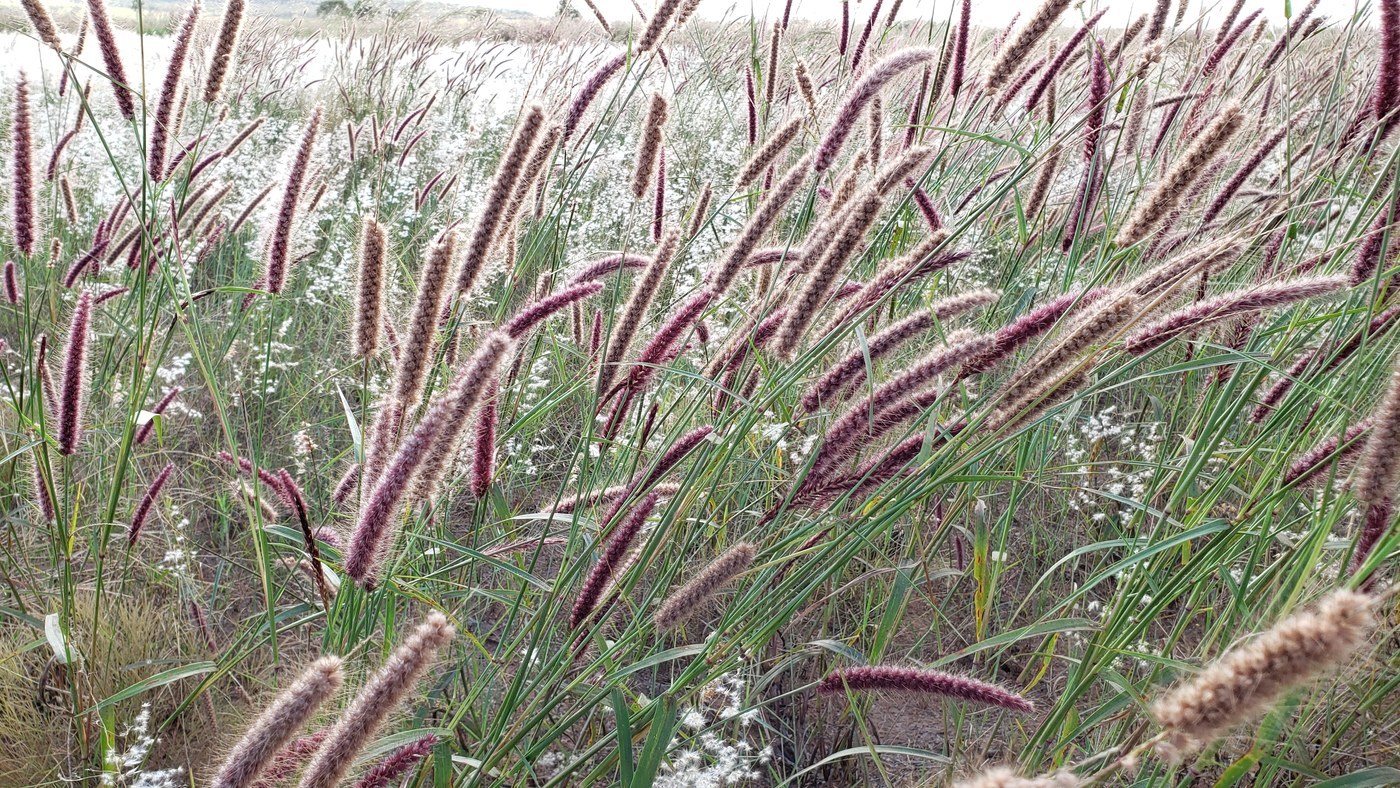
Key Identifying Features
Foxtail refers to several annual grasses in the genus Setaria (green, yellow, and giant foxtail), named for their dense, bristly, cylindrical seed head that looks and feels like a fox's tail. The seed head is the standout feature — a soft-to-prickly spike covered in fine bristles (awns). These are warm-season summer annuals that germinate as soil warms and quickly produce their characteristic plumed heads.
- Cylindrical, bristly seed head resembling a fox's brush
- Bristles (awns) project from between the seeds
- Summer annual grass, clumping or tufted growth
- Flat leaf blades, often with a hairy collar or ligule of hairs
Leaves & Stems
Foxtail leaves are flat, rolled in the bud, and arranged alternately along upright to spreading stems. A key grass detail is the ligule made of a fringe of hairs where the leaf meets the stem. Yellow foxtail (Setaria pumila) often shows long silky hairs near the base of the upper leaf surface; giant foxtail (S. faberi) has short hairs across the whole upper blade and droops at the head. Stems are smooth and can range from a few inches to several feet tall depending on species and conditions.
Flowers & Fruit
The inflorescence is a dense spike-like panicle packed with seeds, each surrounded by several bristly awns that give the head its fuzzy, brush-like texture. Color helps separate species: green foxtail has greenish bristles, yellow foxtail has yellowish-tan bristles, and giant foxtail has a large nodding/arching head. Mature heads shed seed readily, fueling the next season's infestation.
How to Tell It Apart from Look-Alikes
- Timothy grass: Also has a cylindrical head but it is not bristly/awned and feels firmer and less plush than foxtail.
- Barnyardgrass: Has a more open, branched, reddish seed head and no fringe-of-hairs ligule.
- Bottlebrush grasses (Hordeum/foxtail barley): Foxtail barley has much longer, finer awns that spread into a wide flared brush; Setaria heads are tighter and denser.
Where You'll Find It
Foxtail thrives in disturbed ground — crop fields, gardens, roadsides, pastures, lawns, and waste areas — across temperate North America. It favors warm soil, sun, and recently tilled or compacted sites, often appearing in mid to late summer.
Quick ID Checklist
- Dense, cylindrical bristly seed head like a fox's tail
- Fine awns/bristles projecting from the head
- Ligule is a fringe of hairs (no membrane)
- Flat leaf blades, summer annual
- Found in disturbed, sunny ground in summer
The bristly cylindrical head plus the hairy ligule confirms a Setaria foxtail.
Frequently asked questions
Why is it called foxtail?
The name comes from the dense, soft, cylindrical seed head covered in fine bristles, which looks and feels like the bushy tail of a fox. This bristly spike is the plant's most recognizable feature.
Are foxtail seeds dangerous to dogs?
Yes. The barbed seed awns can lodge in a dog's ears, nose, paws, and skin, and because the barbs only move forward they can burrow inward and cause infection. Keep pets away from mature foxtail heads and check their coat after walks.
How do I tell foxtail from timothy grass?
Both have cylindrical seed heads, but foxtail heads are soft and bristly with projecting awns, while timothy heads are firmer, denser, and lack the fuzzy bristles. Foxtail also has a ligule made of a fringe of hairs.
When does foxtail appear?
Foxtails are warm-season summer annuals. They germinate when soil warms in late spring and produce their telltale seed heads through mid to late summer, especially in disturbed, sunny ground.